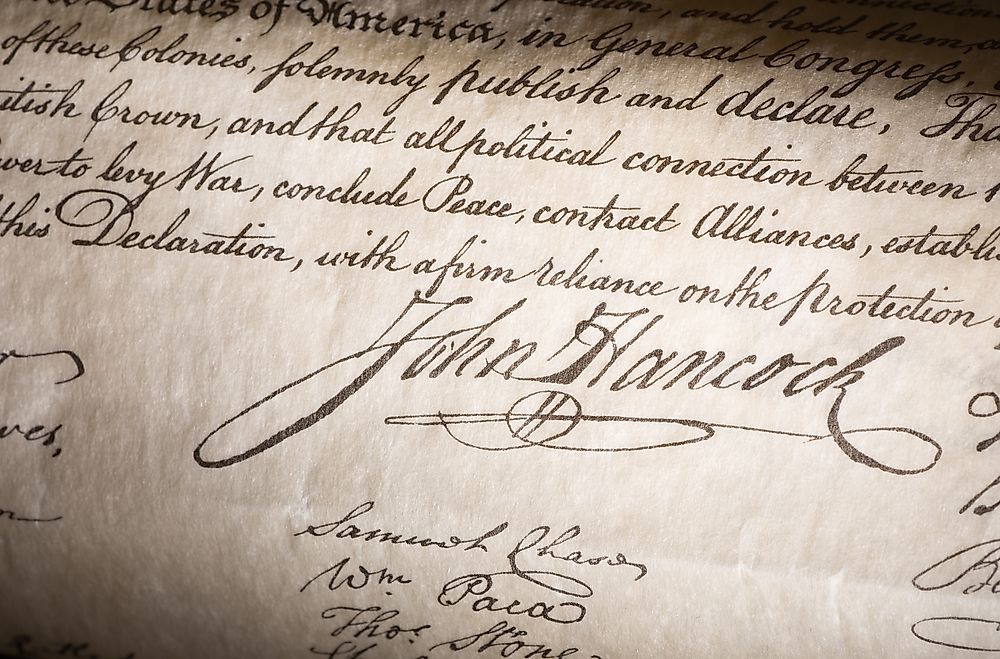
Discover the bravery and determination behind the signing of the Declaration of Independence.
History Story
1. The Road to Independence
In the summer of 1776, the American colonies were abuzz with talk of independence from British rule. Many colonists felt that they were not being treated fairly by King George III and his government. They were taxed heavily without having any say in the British Parliament, leading to the famous rallying cry, 'No taxation without representation!' In response to these grievances, representatives from the thirteen colonies gathered in Philadelphia to discuss their future.
These meetings were held in the Pennsylvania State House, now known as Independence Hall. It was a time of intense debate, with some delegates fearing the consequences of breaking away from England. However, a group of bold thinkers, including Thomas Jefferson, Benjamin Franklin, and John Adams, pushed for a declaration of independence. They wanted to create a new nation where people could govern themselves and enjoy freedoms that were denied under British rule.
2. Drafting the Declaration
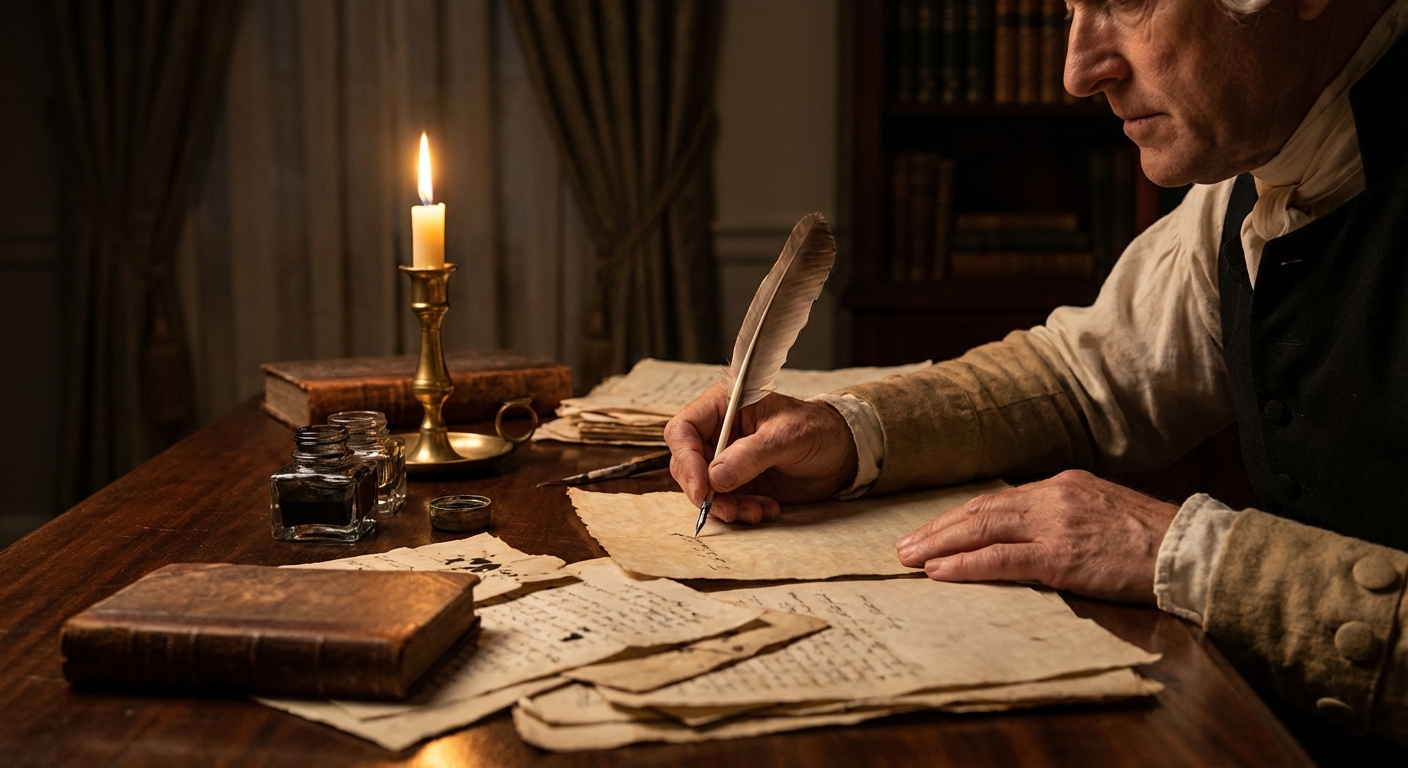
Thomas Jefferson, a delegate from Virginia, was chosen to draft the Declaration of Independence. Jefferson was well-known for his writing skills and his strong belief in individual rights. He worked tirelessly, penning a document that outlined the colonies' reasons for seeking independence. The draft declared that 'all men are created equal' and that they have the right to 'life, liberty, and the pursuit of happiness.'
Jefferson's draft was presented to the Continental Congress on June 28, 1776. Over the next few days, the delegates debated the wording and made several changes. Despite these edits, the core message remained: the colonies were asserting their right to break free from British rule. The Declaration was a bold statement, and its signing was a significant risk for the delegates. If the revolution failed, they could be charged with treason, a crime punishable by death.
3. The Momentous Signing
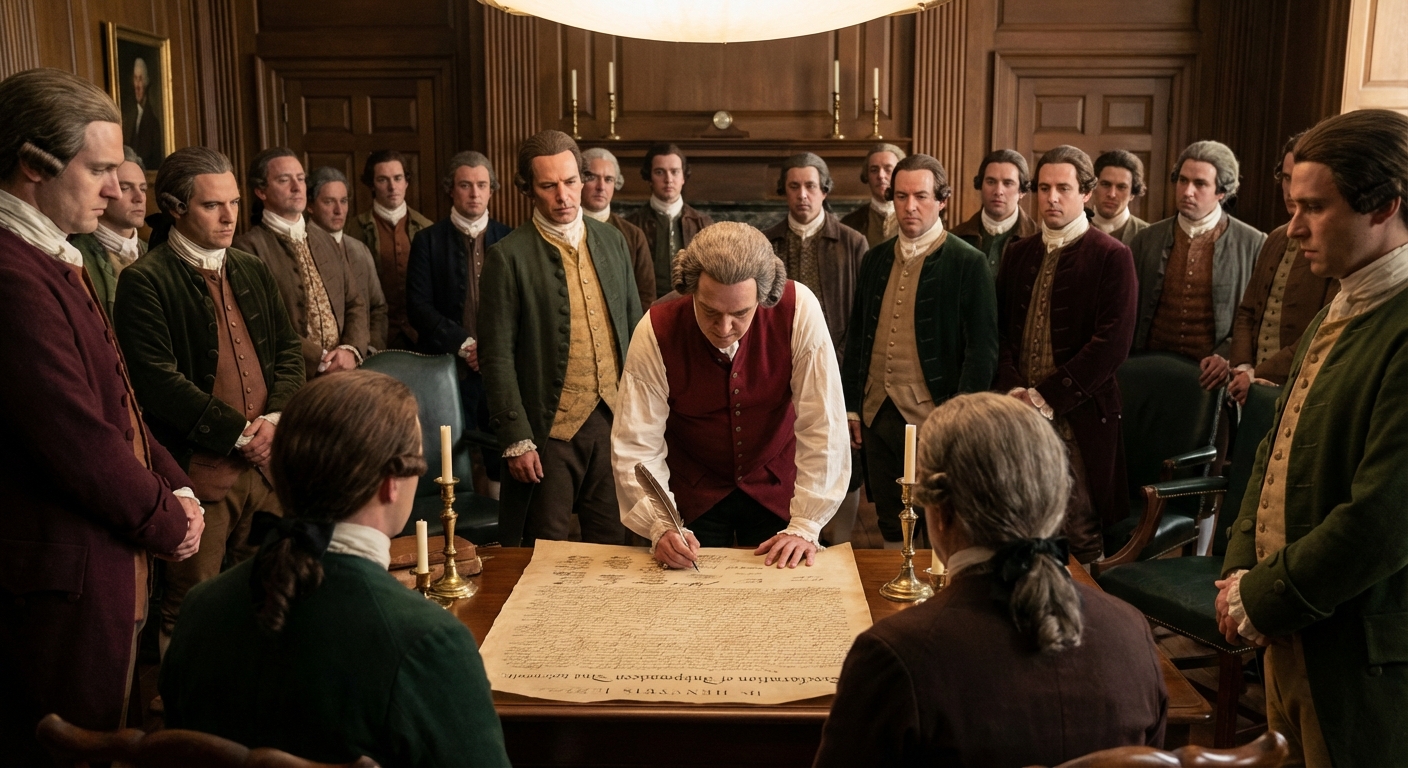
On July 4, 1776, the Continental Congress voted to adopt the Declaration of Independence. The delegates gathered in the Assembly Room of Independence Hall to sign the document. John Hancock, the President of the Congress, was the first to sign, famously writing his name in large, bold letters. Legend has it that he wanted King George to be able to read it without his spectacles!
Each signature on the Declaration was a pledge of commitment to the cause of independence. The signers understood the grave risk they were taking, but they were united in their belief in a better future. This moment marked the birth of the United States of America, a nation founded on the principles of freedom and democracy.
4. Aftermath and Impact
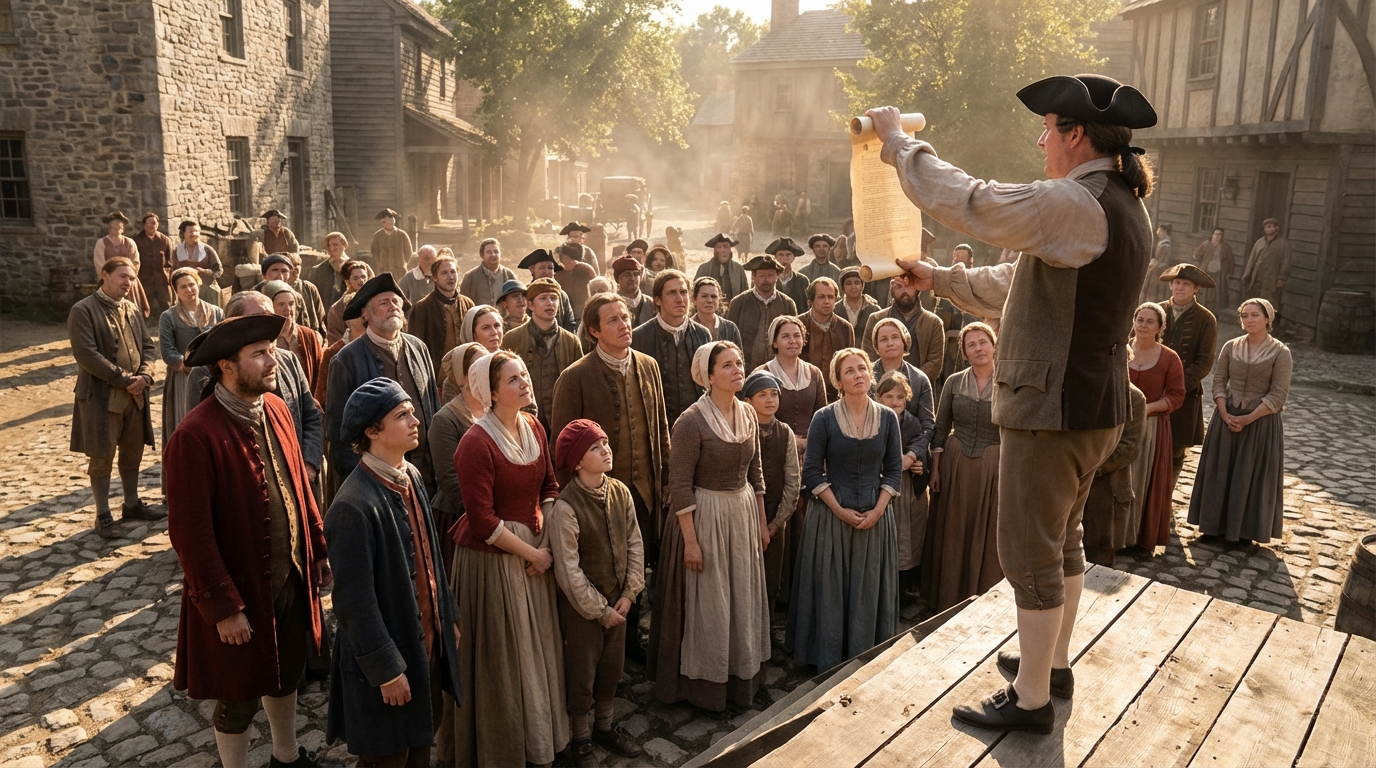
The Declaration of Independence was sent out to the colonies and read aloud in public squares, inspiring colonists to support the revolutionary cause. It also caught the attention of other countries, signaling that the colonies were serious about their fight for freedom. The Declaration became a symbol of hope and a rallying point for those seeking independence from oppressive rule.
Despite the danger, the signers stood by their decision, and their courage inspired countless others. The Declaration laid the foundation for the United States' principles of liberty and justice, and its words continue to resonate today. It has influenced many other nations in their quests for freedom and remains a powerful document that represents the ideals of democracy.
5. Legacy of the Declaration
The Declaration of Independence is more than just a historical document; it is a powerful statement of human rights and equality. Its assertion that 'all men are created equal' has inspired countless movements for change and progress throughout history. From the abolition of slavery to the fight for civil rights, the Declaration's message has been a guiding light for those seeking justice.
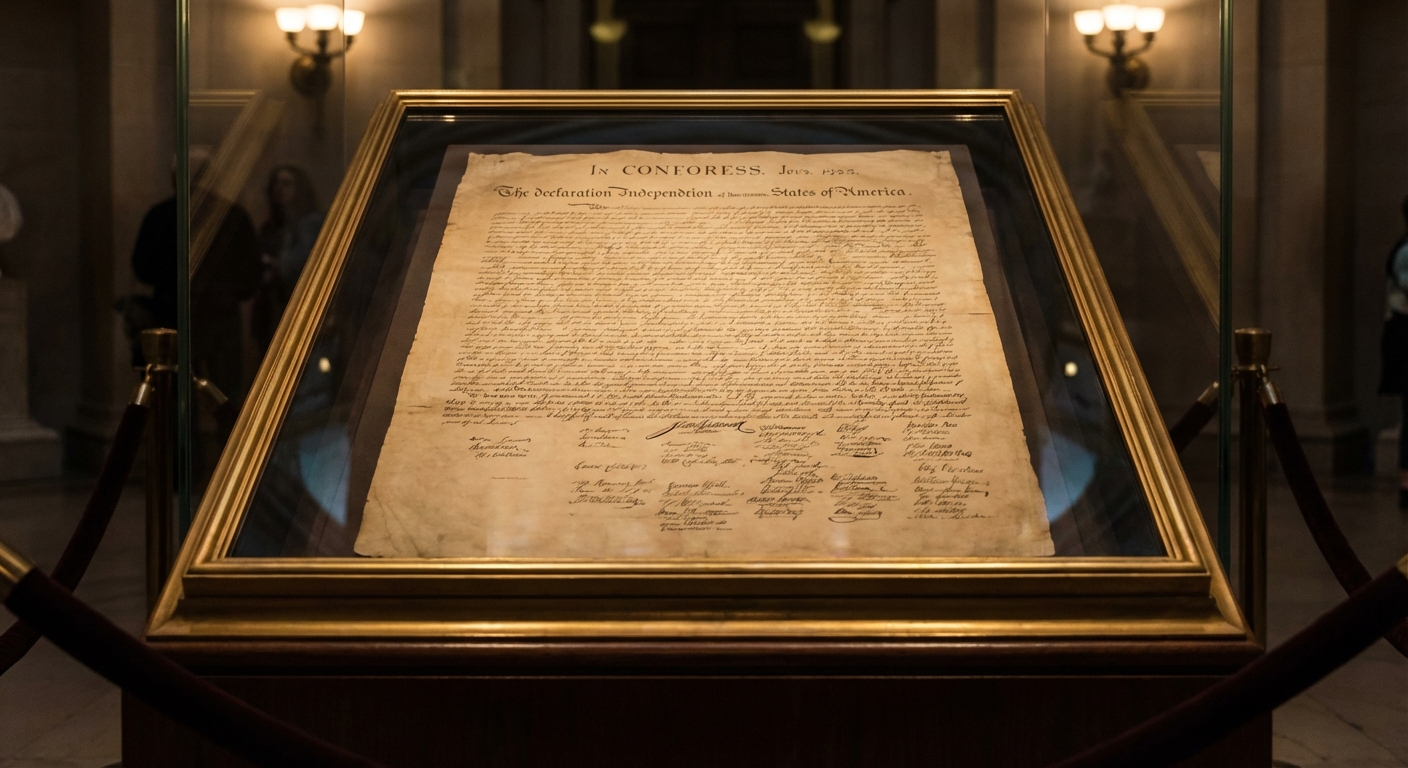
Today, the original Declaration of Independence is housed in the National Archives in Washington, D.C., where it is carefully preserved for future generations. It serves as a reminder of the courage and vision of the Founding Fathers, and their unwavering belief in the power of liberty. The Declaration continues to be a vital part of American identity, symbolizing the enduring quest for freedom and equality for all people.
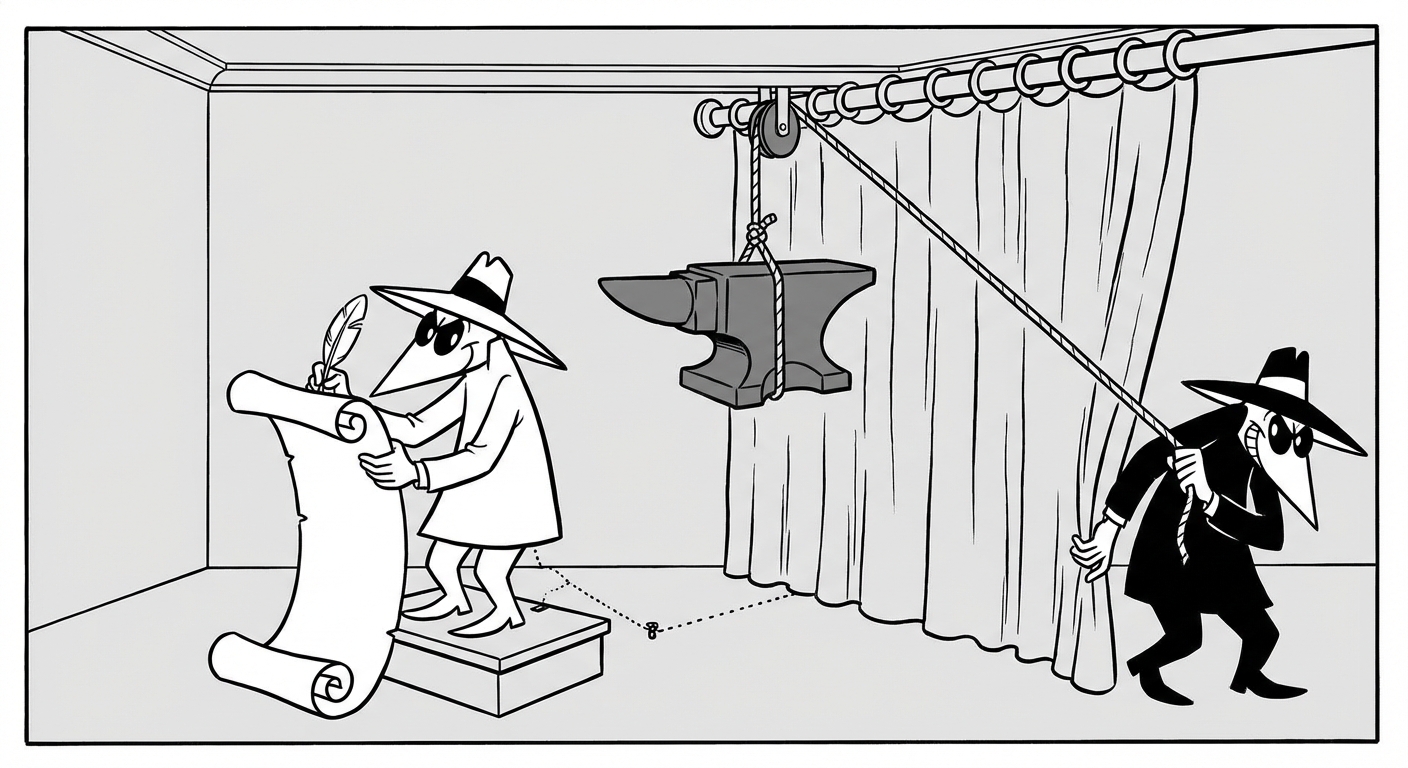
Spy vs Spy: Spy vs Spy: Declaration Drama
Pro tip: Always double-check your scrolls before a big reveal... or you might inspire a movement anyway!
White Spy:
White Spy triumphantly unfurls a giant Declaration of Independence replica on the town square, attracting a cheering crowd.
Black Spy:
Black Spy slyly switches the Declaration with a blank scroll, leaving White Spy to address the crowd with nothing to show.
The Twist: The crowd, supportive of White Spy, begins writing their own messages of freedom on the blank scroll.
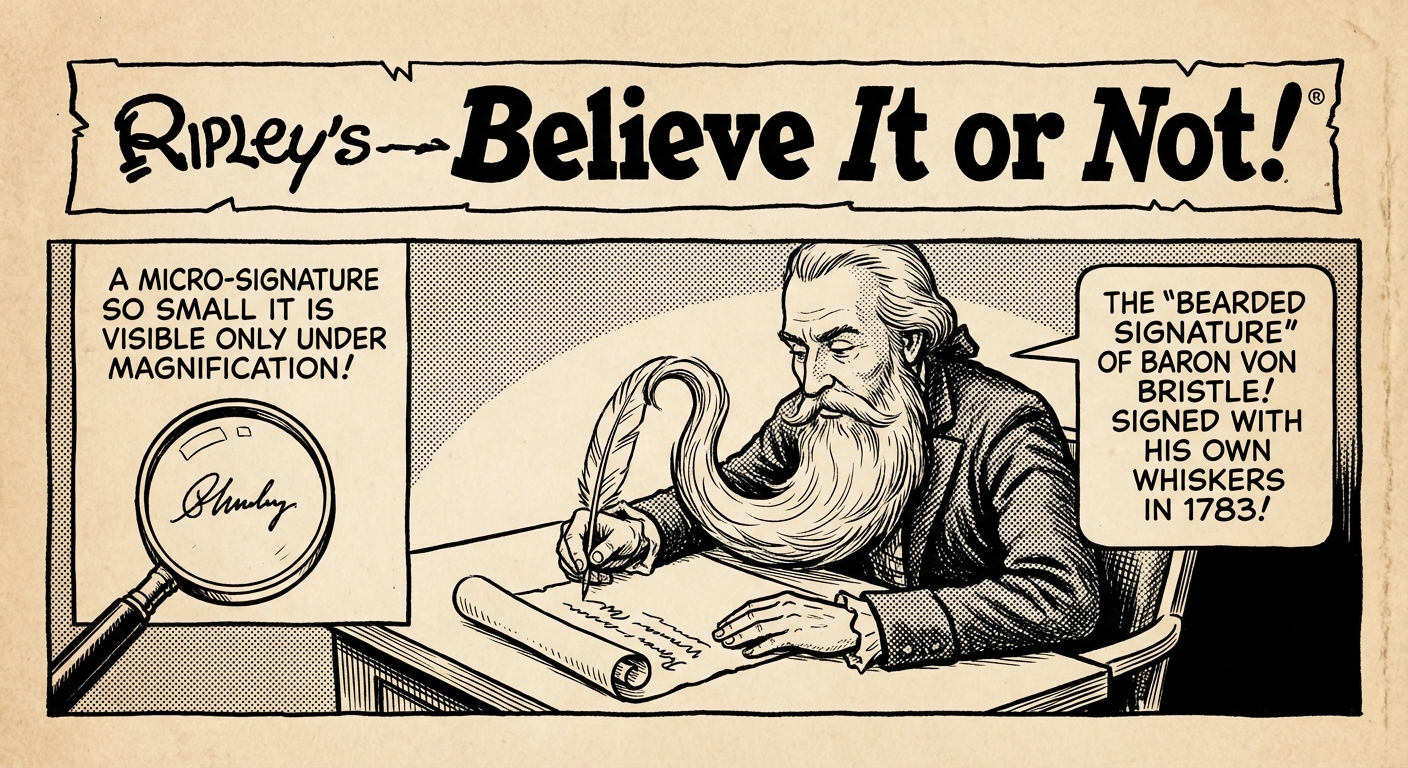
Ripley's Believe It or Not!
56 men signed the Declaration of Independence, and 5 were captured by the British as traitors!
Discussion Questions
Why was the Declaration of Independence important for the American colonies?
What risks did the signers of the Declaration take by signing it?
How does the Declaration of Independence continue to influence us today?
Why do you think the phrase 'all men are created equal' is so significant?
What role did Thomas Jefferson play in the creation of the Declaration?
Activity: Create Your Own Declaration
Materials needed:
paper
pencils
markers
Step 1: Think about a cause you care about. Step 2: Write a short declaration explaining why it's important. Step 3: Share your declaration with classmates and discuss.
Real Photos
{$proTip}
{$proTip}
{$proTip}
Story Sections
Vocabulary
A complaint about something believed to be unfair.
A person chosen to represent others.
Freedom from control by another country or organization.
The crime of betraying one's country.
A forcible overthrow of a government in favor of a new system.
The state of being free within society.
A system of government by the whole population, typically through elected representatives.
The action of ending a system, practice, or institution.
The rights of citizens to political and social freedom and equality.
The act of maintaining something in its original state.
Fun Fact
56 men signed the Declaration of Independence, and 5 were captured by the British as traitors!