Follow Harriet Tubman's courageous path to freedom and her mission to help others escape slavery.
History Story
1. A Childhood in Chains
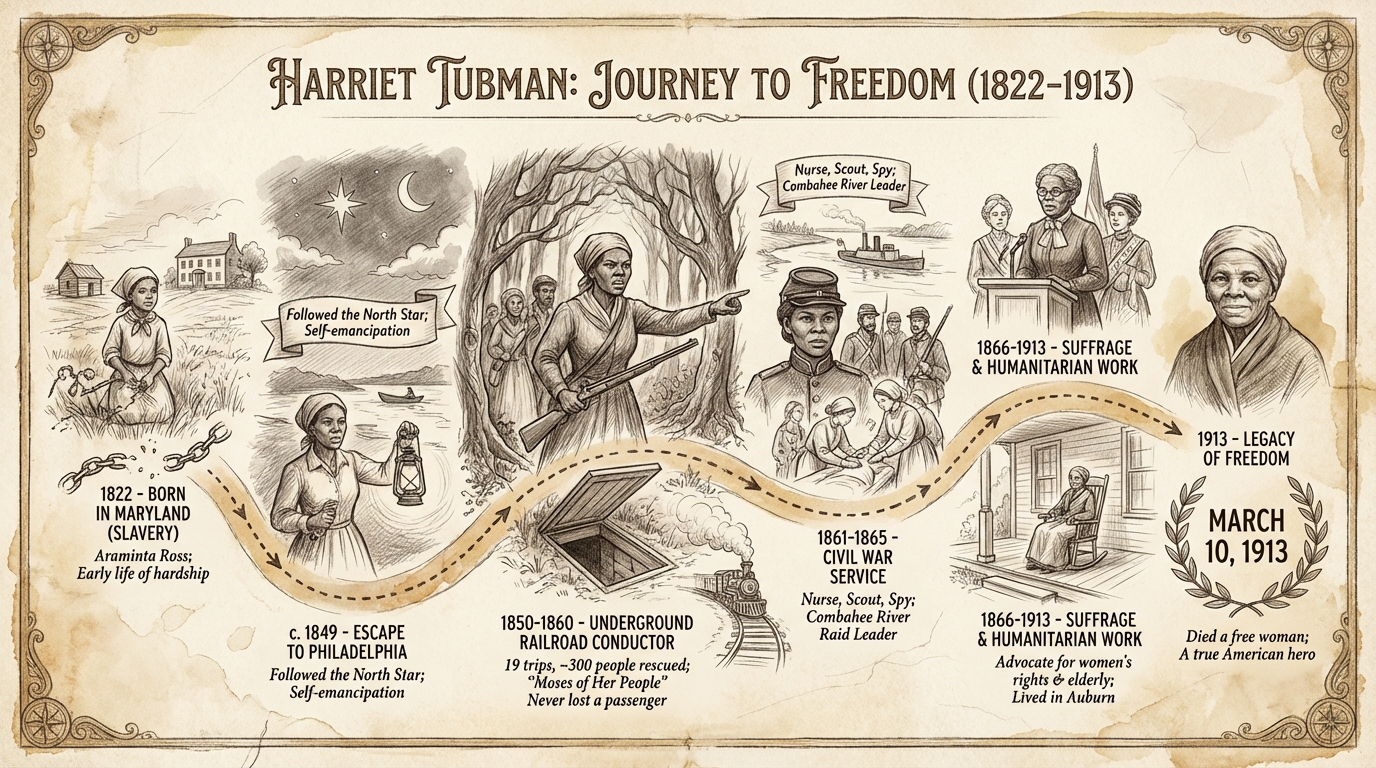
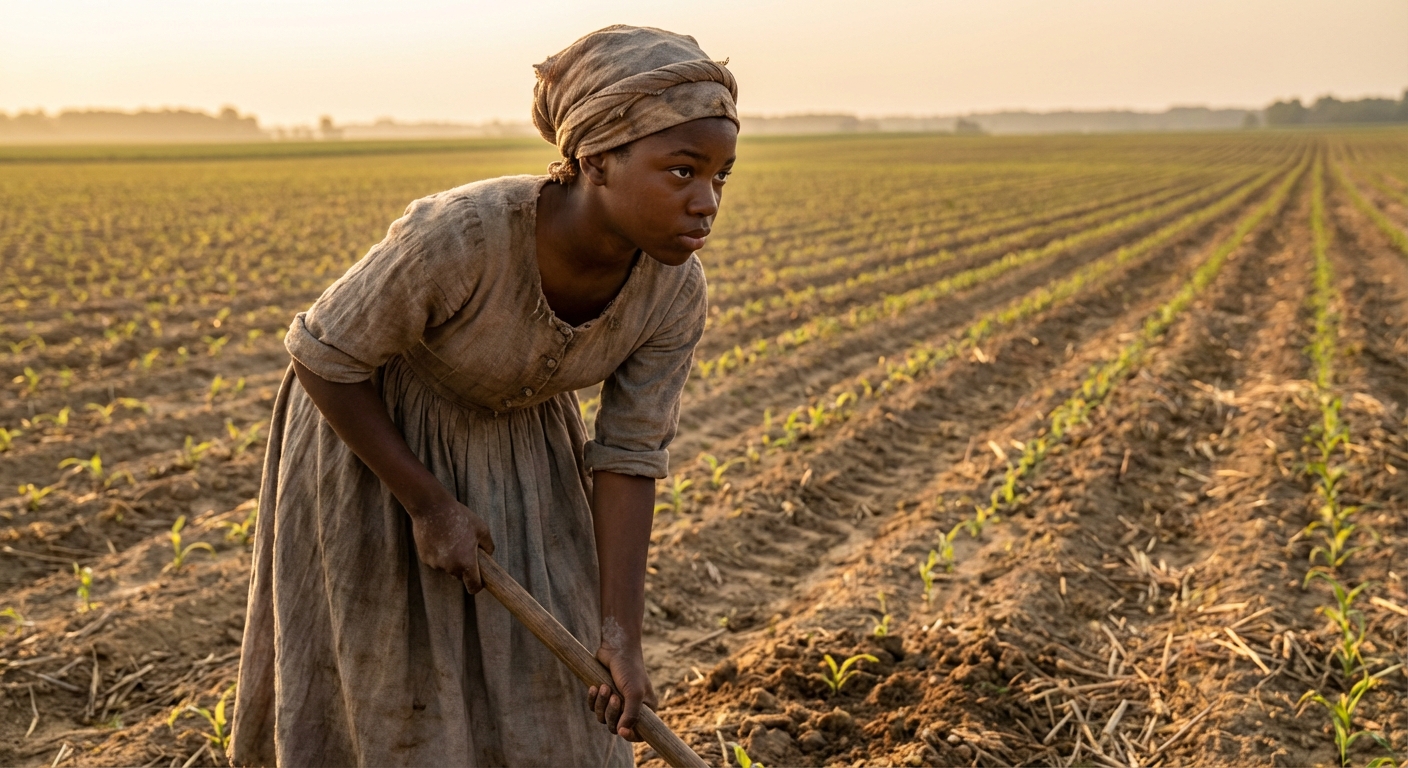
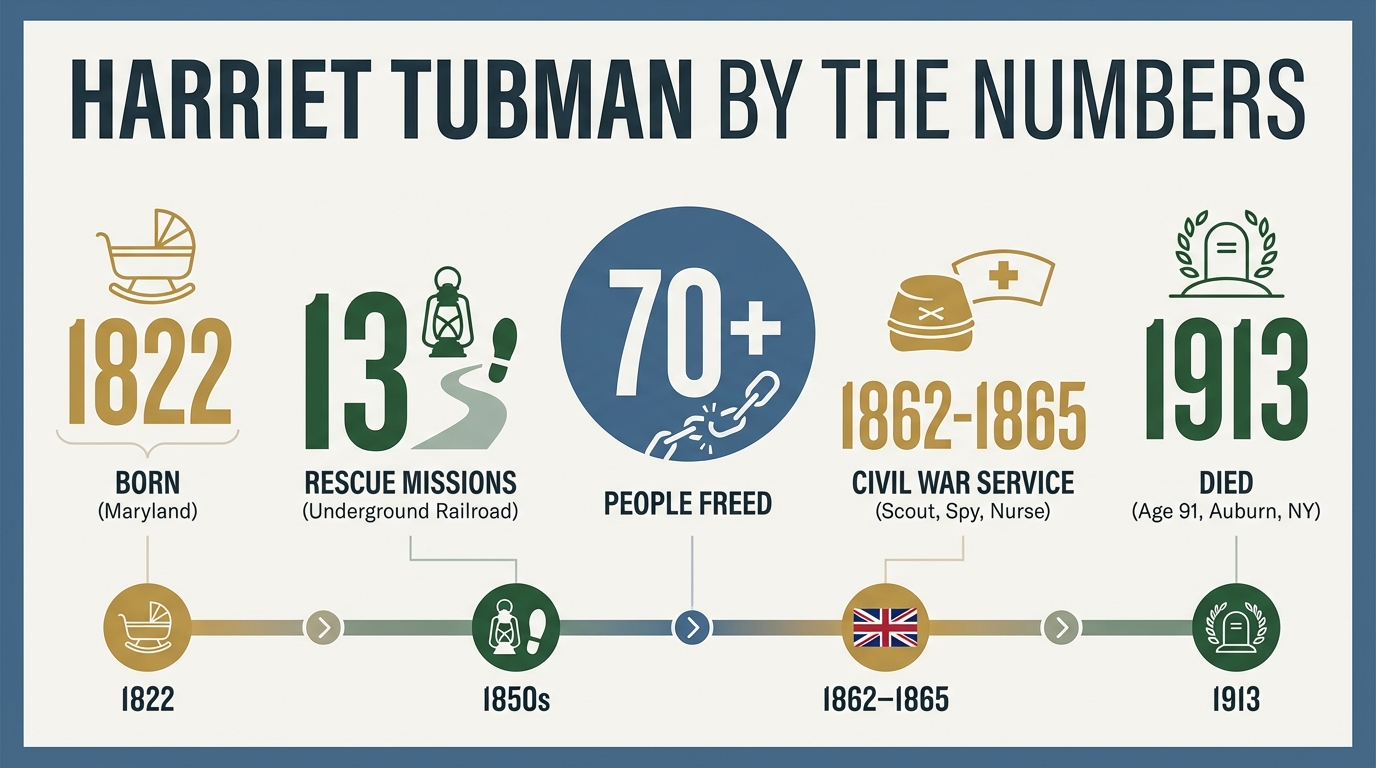
Harriet Tubman was born around 1822 in Dorchester County, Maryland. Her birth name was Araminta Ross, and she was one of nine children in her family. From a very young age, Harriet experienced the harsh realities of slavery. She worked on plantations, enduring long hours of labor and harsh treatment. Even as a child, Harriet showed extraordinary courage and determination that would one day lead her to become a legendary figure.
Life on the plantation was difficult for Harriet and her family. They were denied basic freedoms and constantly feared being separated from one another. Despite these challenges, Harriet's mother taught her to be strong and to have faith. This resilience would later empower her to seek freedom and help others do the same. Harriet's story is a testament to the strength of the human spirit in the face of adversity.
2. The Path to Freedom
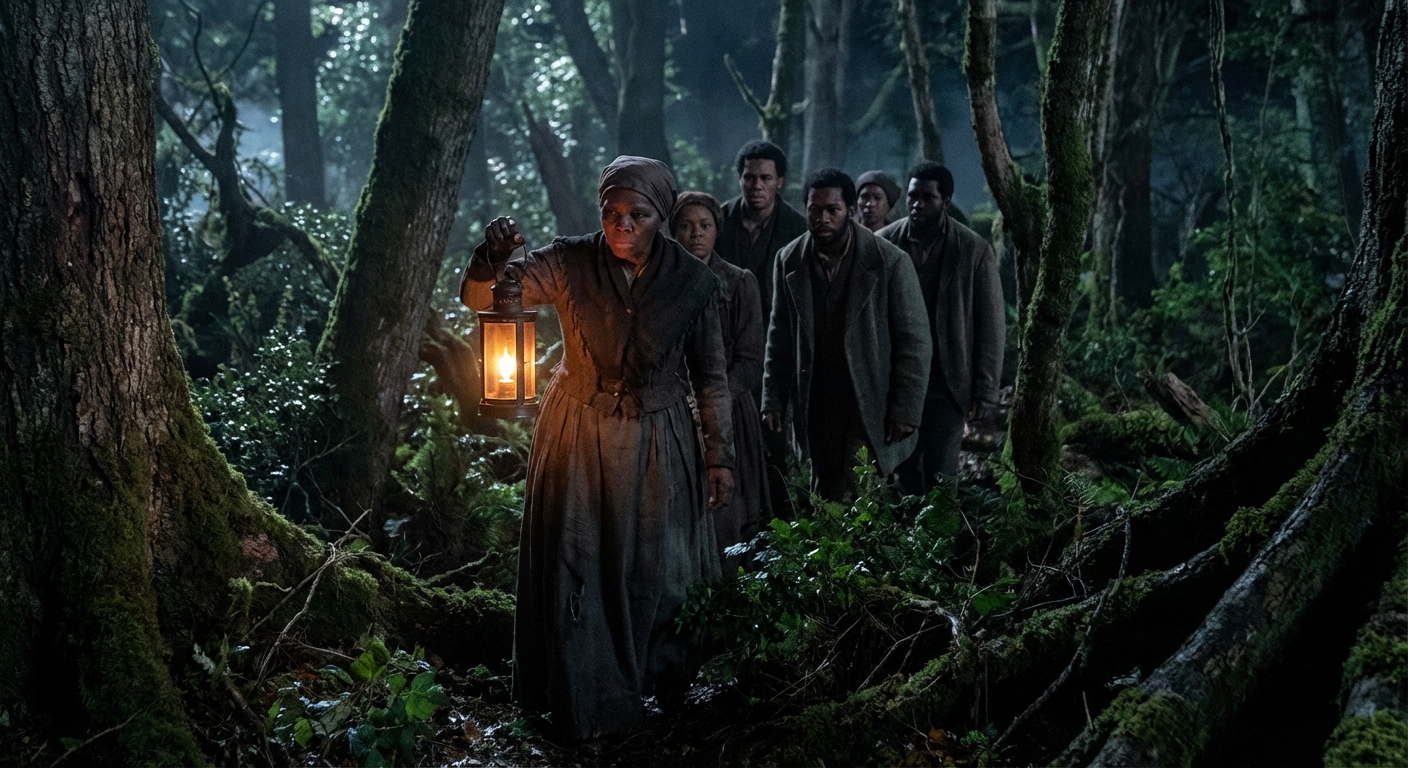
As Harriet grew older, she longed for freedom. In 1849, she bravely escaped from slavery, traveling alone at night through the woods to reach Pennsylvania, a free state. Her journey was perilous, as she had to avoid slave catchers and navigate unknown terrain. Harriet relied on her knowledge of the land and the stars to guide her way. Her successful escape was just the beginning of her incredible journey.
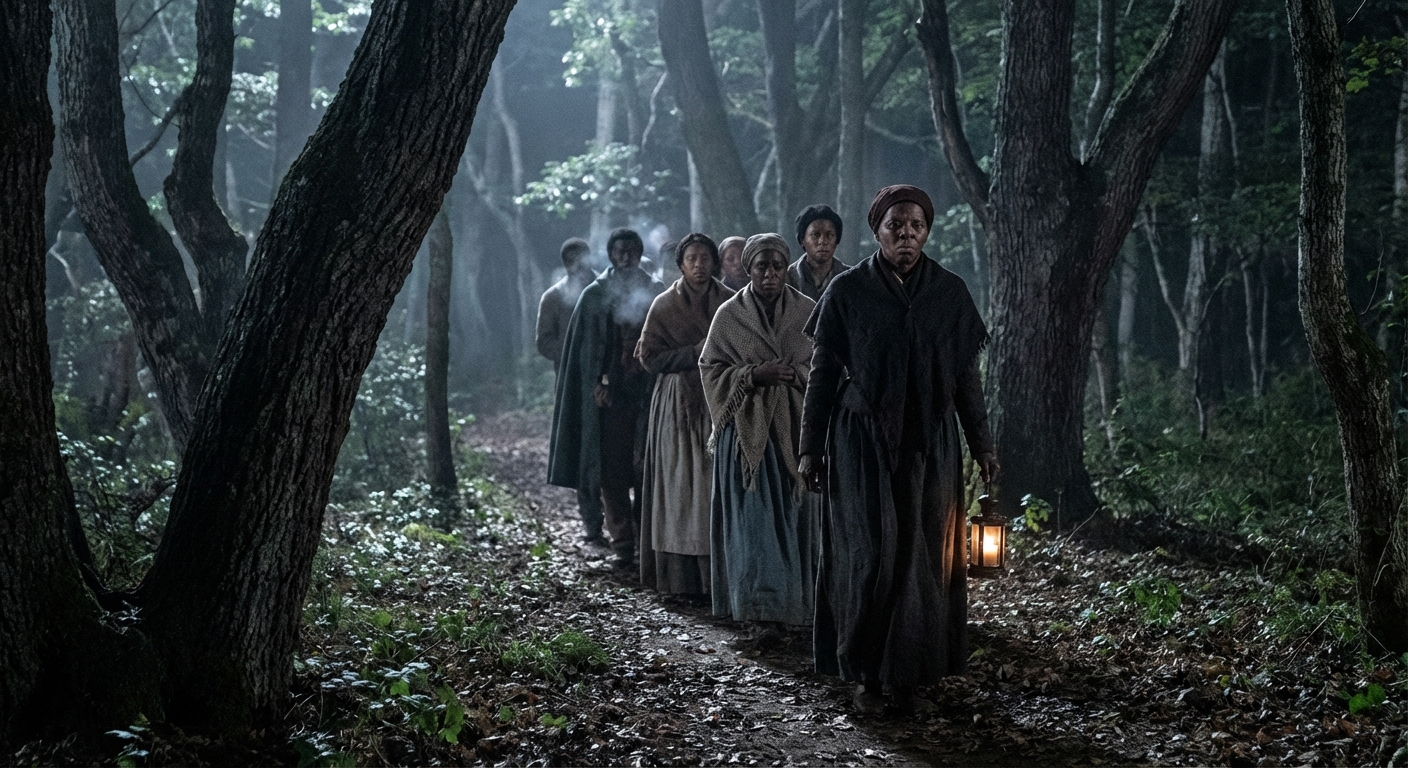
After gaining her own freedom, Harriet was determined to help others. She became a conductor on the Underground Railroad, a secret network of safe houses and routes that helped enslaved people escape to free states and Canada. Harriet made 13 missions to rescue approximately 70 enslaved people, including her family and friends. Her bravery and strategic skills earned her the nickname 'Moses,' after the biblical figure who led his people to freedom.
3. The Underground Railroad
The Underground Railroad was not a real railroad but a network of secret routes and safe houses. Those who helped enslaved people escape were called 'conductors,' and the people they helped were called 'passengers.' Harriet Tubman was one of the most famous conductors. She used her knowledge of the land and her bravery to lead many to safety.
Harriet's missions were dangerous. She had to avoid patrols and bounty hunters, who offered rewards for capturing escaped slaves. The journey was long and difficult, often taking weeks. Harriet and the passengers had to travel at night to avoid detection, resting during the day. Despite the risks, Harriet never lost a passenger. Her success was due to her careful planning and unwavering determination.
4. A Lifetime of Service
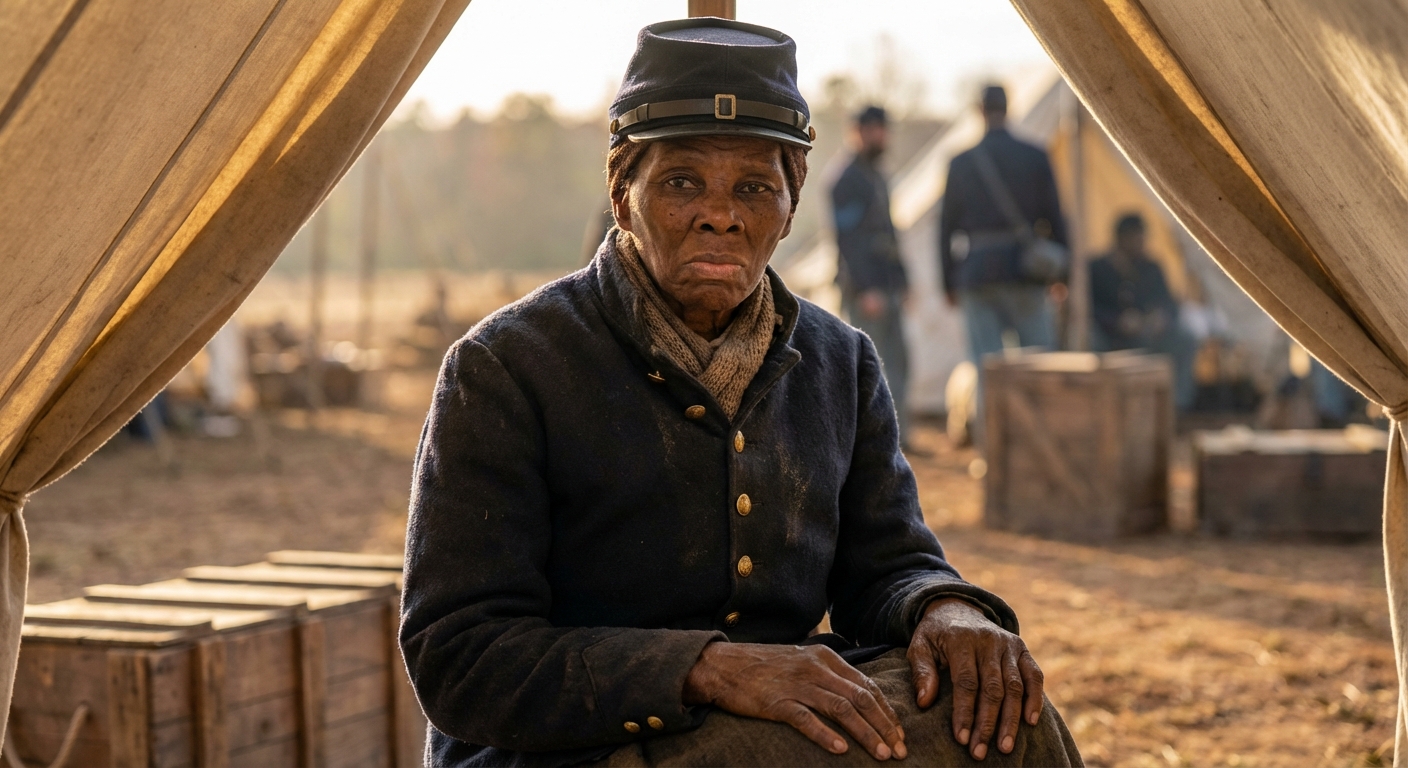
Harriet Tubman's work did not end with the Underground Railroad. During the Civil War, she served as a nurse, cook, and spy for the Union Army. Her knowledge of the land and ability to move unnoticed made her an invaluable asset. Harriet even led an armed expedition that freed more than 700 enslaved people, showcasing her leadership and strategic skills.
After the war, Harriet continued to fight for equality and justice. She settled in Auburn, New York, where she worked to support her family and other former slaves. Harriet also became involved in the women's suffrage movement, advocating for women's right to vote. Her life was dedicated to helping others and fighting for freedom, leaving an enduring legacy of courage and compassion.
5. Harriet's Legacy
Harriet Tubman's life and work have left a lasting impact on history. She is remembered as a symbol of courage and the fight for freedom. Her efforts helped change the course of history, contributing to the abolition of slavery and the advancement of civil rights.
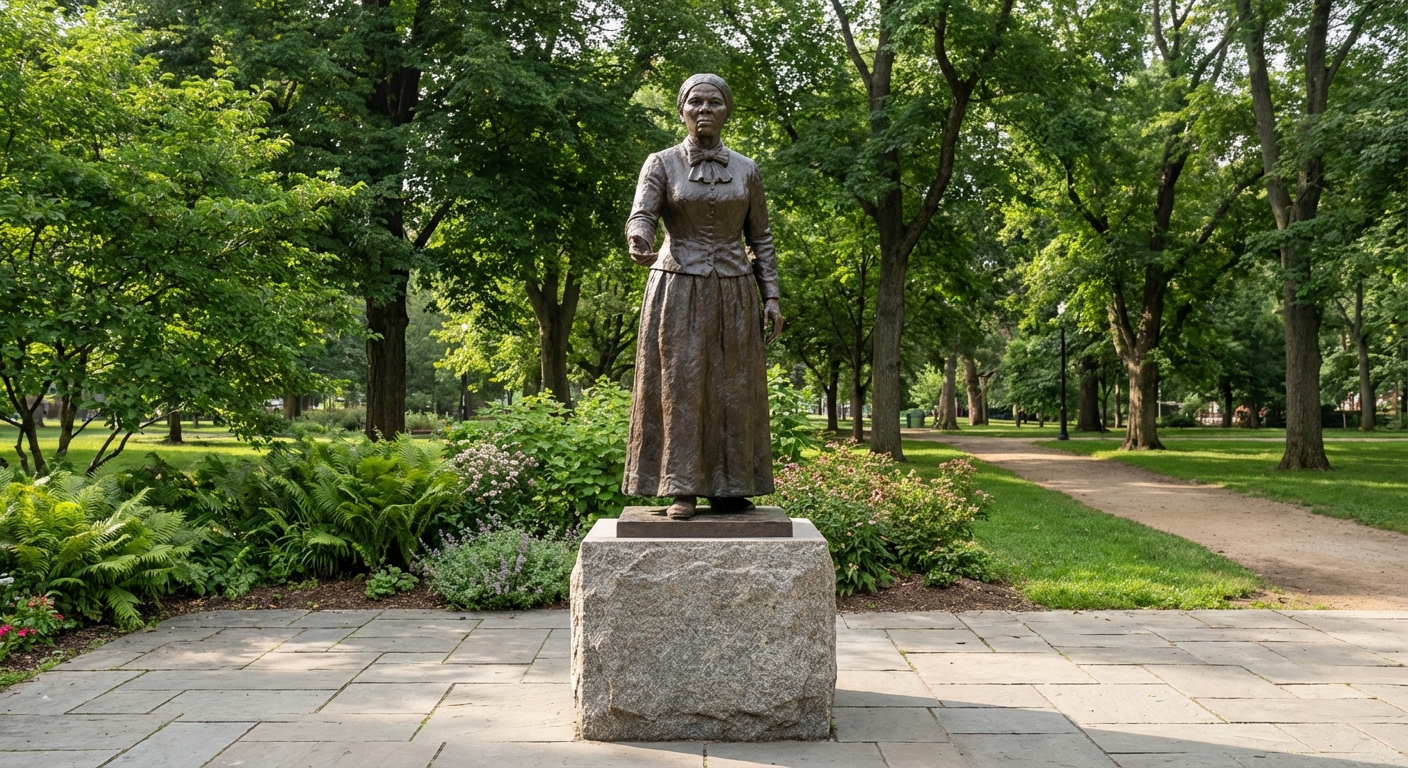
Today, Harriet Tubman is celebrated as an American hero. Monuments and memorials have been erected in her honor, and her story is taught in schools across the country. Harriet's legacy continues to inspire new generations to stand up against injustice and work towards a more equal and just society. Her life reminds us of the power of one person's courage to change the world.
🐾 Strange But True!
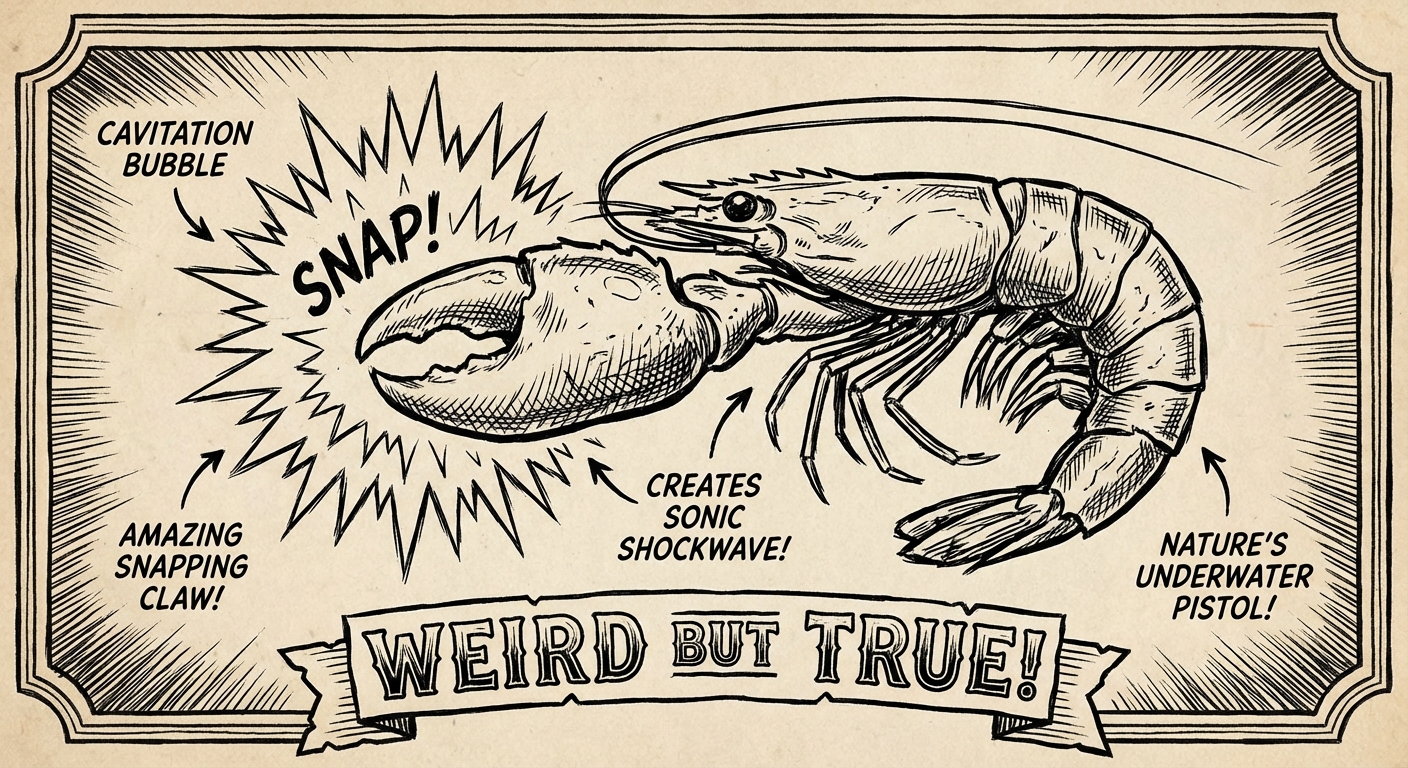
Pistol Shrimp
The Pistol Shrimp can snap its claw so fast it creates a bubble that reaches temperatures hotter than the surface of the sun!
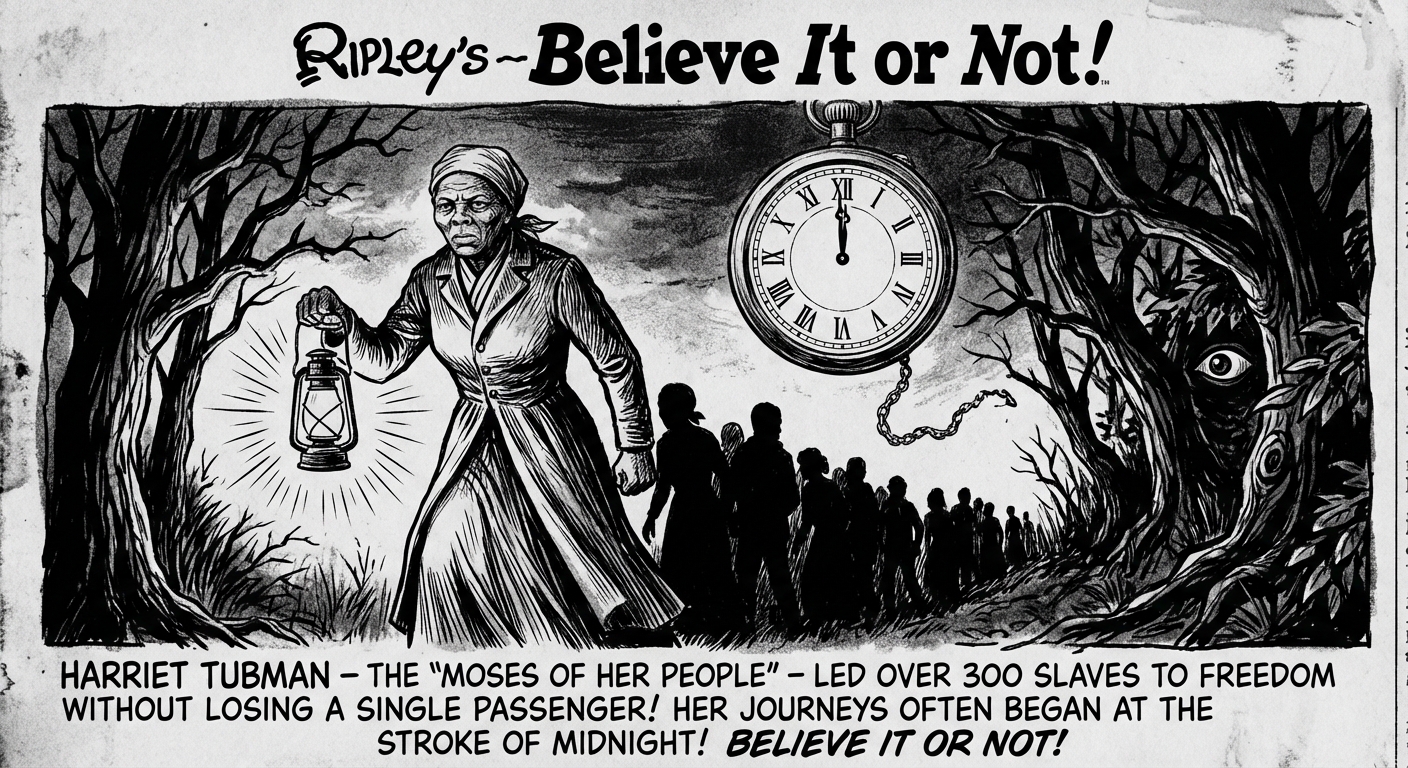
Ripley's Believe It or Not!
Believe it or not, Harriet Tubman never lost a single passenger on the Underground Railroad, despite the dangers she faced.
📊
Discussion Questions
What qualities made Harriet Tubman an effective leader?
How did the Underground Railroad operate, and why was it important?
What risks did Harriet Tubman face during her missions?
How did Harriet Tubman's work during the Civil War contribute to her legacy?
Why is it important to remember and honor figures like Harriet Tubman today?
Activity: Create Your Own Freedom Quilt
Materials needed:
construction paper
colored pencils
glue
scissors
Research how quilts were used as symbols on the Underground Railroad. Design your own quilt square using paper and colored pencils to represent freedom and courage.
Story Sections
Vocabulary
A person who helped enslaved people escape on the Underground Railroad.
The act of ending a system, practice, or institution, like slavery.
Able to withstand or recover quickly from difficult conditions.
A reward offered for the capture of someone.
The practice of spying or using spies to obtain information.
The right to vote in political elections.
Lack of fairness or justice.
Something handed down by a predecessor.
A journey undertaken for a specific purpose, often involving exploration.
A statue or structure built to honor a famous person or event.
Fun Fact
This story was created with AI to make learning fun and engaging!