NEW LESSON

US Government

Learn how the United States government works and protects your rights

Your Progress 0 of 7 sections
🏛️

1. Government in the United States

Constitutional republic, rule of law, federal powers

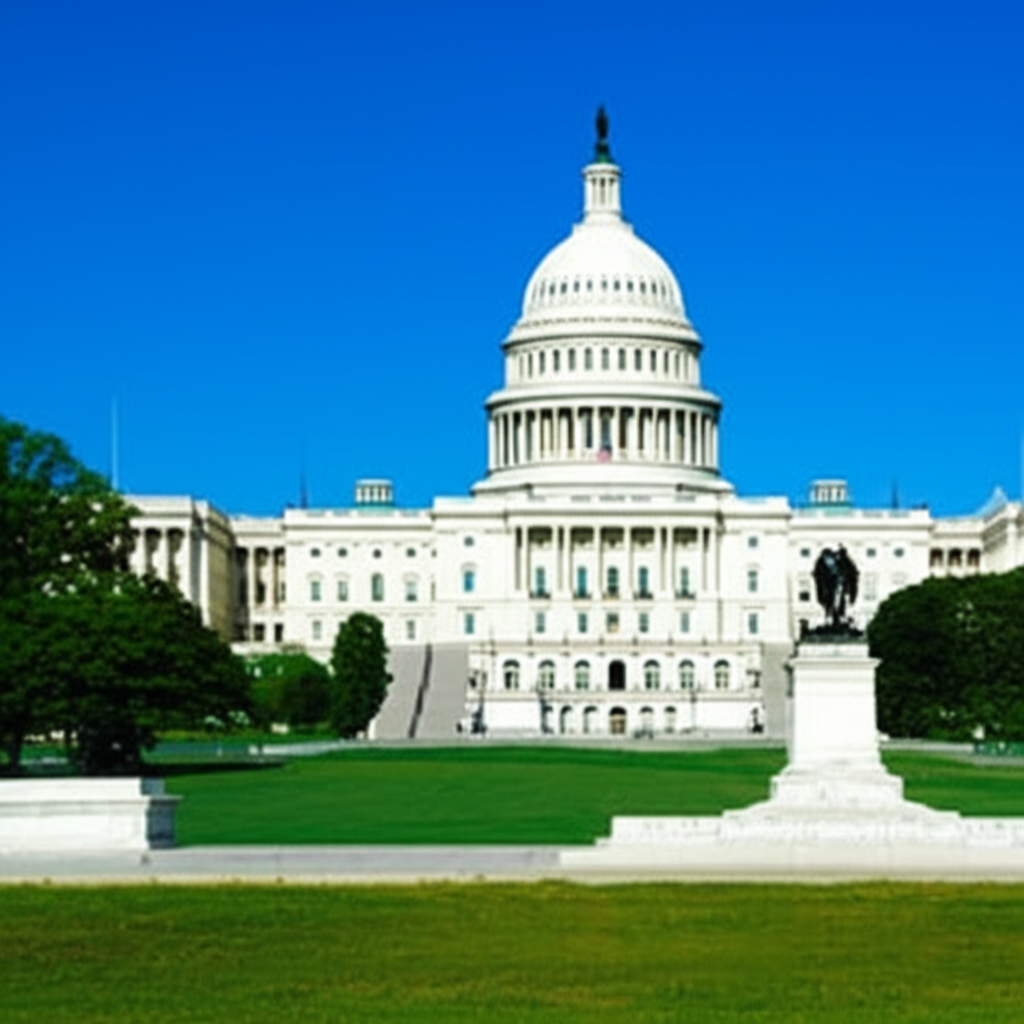
US Capitol Building

The purpose of government is to provide safety and security for those in the community from threats outside of the community, maintain justice and order within the community, and help the members of the community meet their wants and needs. The government of the United States is a constitutional republicA form of government where leaders are elected by the people and must follow the Constitution.

A constitutional republic is a form of government based on a written document that determines the power and authority of the government and protects the rights of citizens. The ConstitutionThe supreme law of the United States that sets up the government is that document. At every level, the people's consent is what gives the government power to act. This is known as popular sovereigntyThe idea that government power comes from the people. A constitutional republic must balance individual rights with the common goodWhat is best for everyone in the community. Effective leaders work to meet the needs of citizens and protect their rights.

Key Concept: The Common Good

The common good is when people think about what's best for everyone, not just themselves. Our government supports the common good through fair laws to keep things fair for everyone. If citizens work together toward the common good, freedom and self-government can be successful!

Another important feature of the United States government is the rule of lawThe idea that everyone, including the government, must follow the law. John Adams stated that this "is a nation of laws and not of men." Rule of law is based on fairness, equality, and justice. It means that the government can only use its power as defined by laws. There are four important guidelines for the rule of law:

  1. Laws have to be created and approved through government processes
  2. Laws have to be clear, and everyone needs to know about them
  3. Laws are applied equally to all citizens
  4. When there are disputes about the law, individuals will have representatives who are neutral to deliver the best outcome for everyone

The Federal Government's Powers

The primary governing body in the United States is the federal government. The power of the federal government is limited by the Constitution, but it has the power to:

  • Print money
  • Declare war
  • Build the military
  • Make treaties (agreements with foreign countries)
  • Make and enforce laws for doing business between the states and foreign nations
  • Make laws to enforce the Constitution
⚖️

2. Three Branches of Government

Executive, Legislative, and Judicial branches

Three Branches of Government

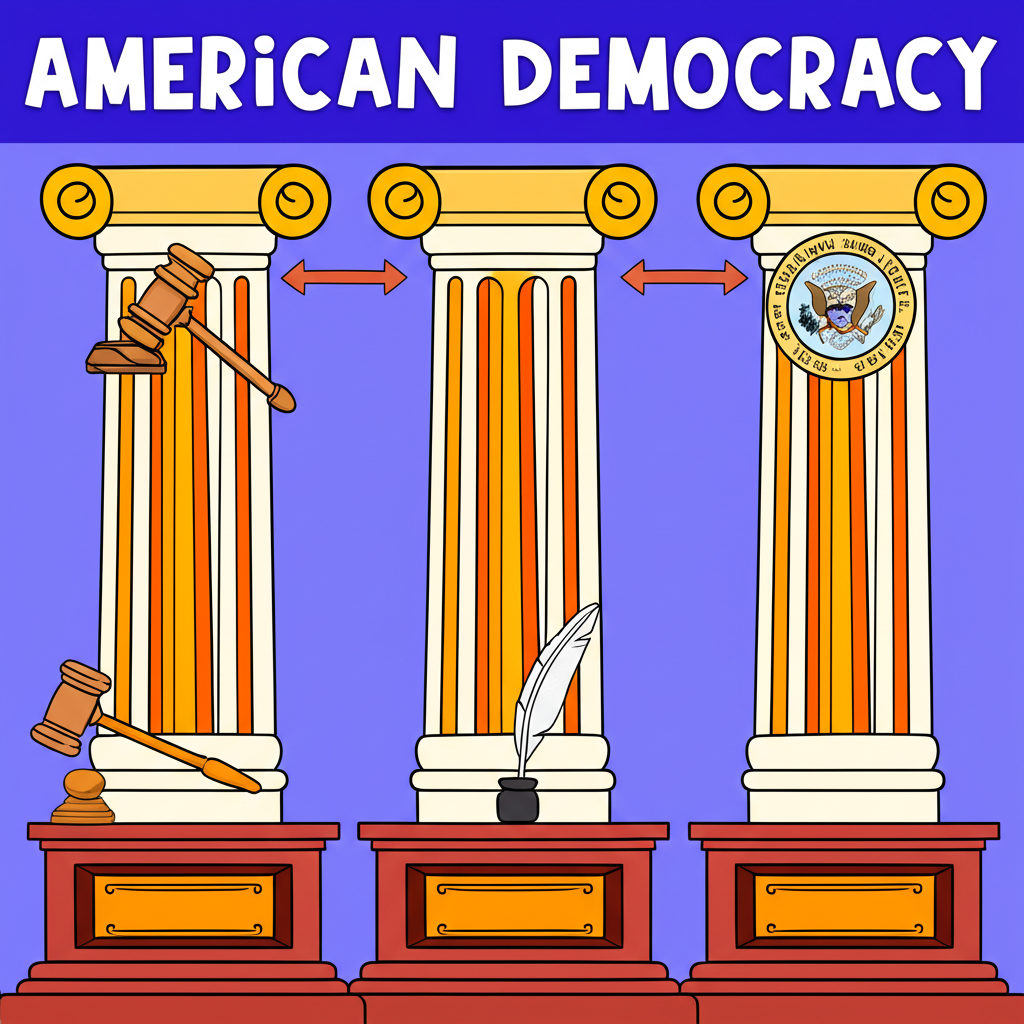
To keep any one person or group from having too much power, the Constitution divides the government into three branches. We call this a system of checks and balancesA system where each branch can limit the power of the other branches. Each branch was designed to address specific issues and concerns. Each branch has its own structure, processes, and purpose. These leaders use different processes (or checks) to protect individual liberties. Individual liberties are rights that the government cannot take away.

🏛️

Legislative Branch

Makes the Laws

Congress (Senate + House of Representatives)

🏠

Executive Branch

Enforces the Laws

President and Cabinet

⚖️

Judicial Branch

Interprets the Laws

Supreme Court and Federal Courts

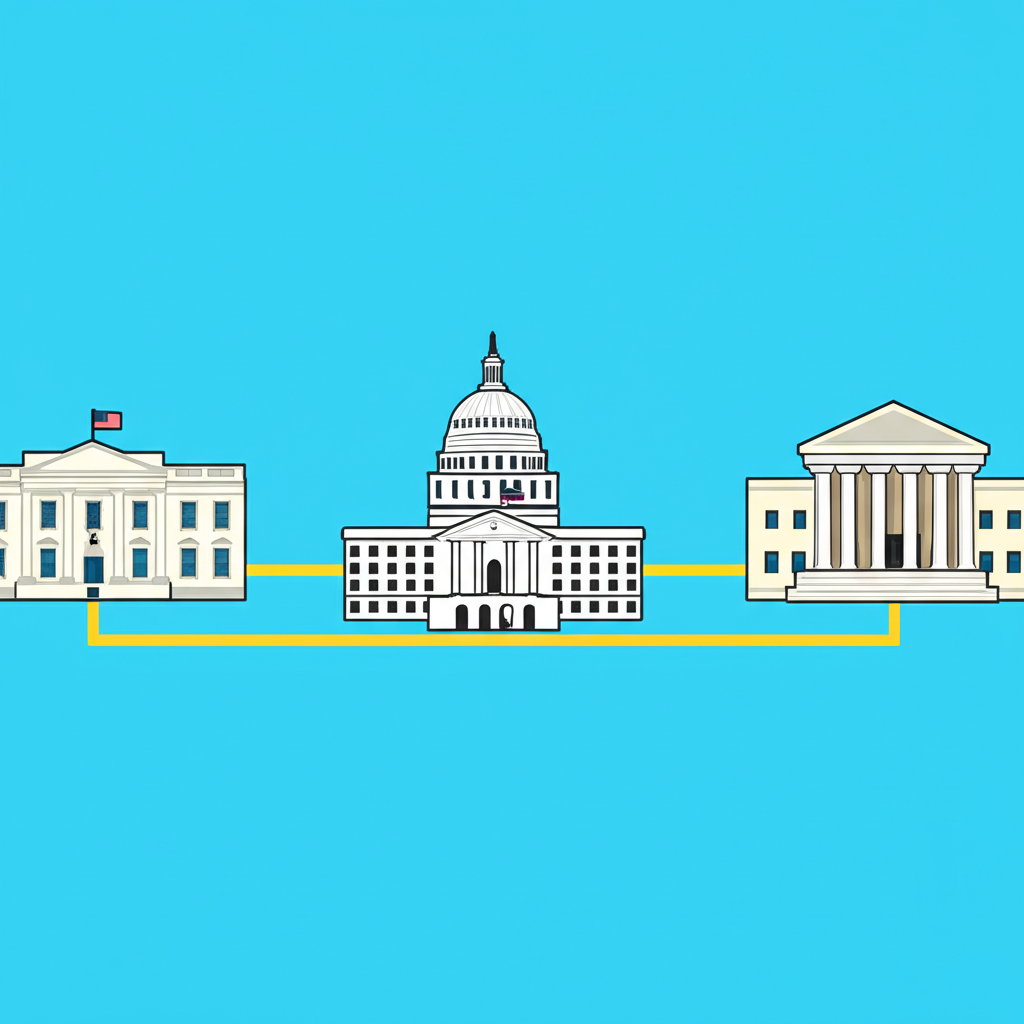
The three branches of government are the executive, legislative, and judicial branches. The executive branchThe branch headed by the President that enforces laws of government enforces our country's laws. It is also in charge of the military. The head of the executive branch is the President of the United States. The President is chosen by voters. The president and vice president are elected together for four years. They may serve two terms, for a total of eight years. The president chooses members of the cabinet to advise him or her. Cabinet members are other experts in their fields. They help run the executive branch by leading departments. For example, the Department of Defense is in charge of the military. At the state level, the executive branch includes the governor and their cabinet.

The legislative branchThe branch that makes laws - also called Congress makes the laws and sets taxes. Congress is the legislative branch of our government. It is divided into two parts: the Senate and the House of Representatives. Two senators are elected from each state. The term of office for a senator is six years. The vice president of the United States serves as the president of the Senate.

The judicial branchThe branch headed by the Supreme Court that interprets laws interprets the laws, to decide what they mean. It also determines whether the laws follow the Constitution. The judicial branch is headed by the Supreme Court. The Supreme Court is made up of judges called justices. They are chosen by the president and voted on by senators. State supreme courts are similar to the U.S. Supreme Court. They decide whether laws are fair and understand the law's followed and citizens' rights are protected.

⚖️

3. The Supreme Court

The highest court in the United States

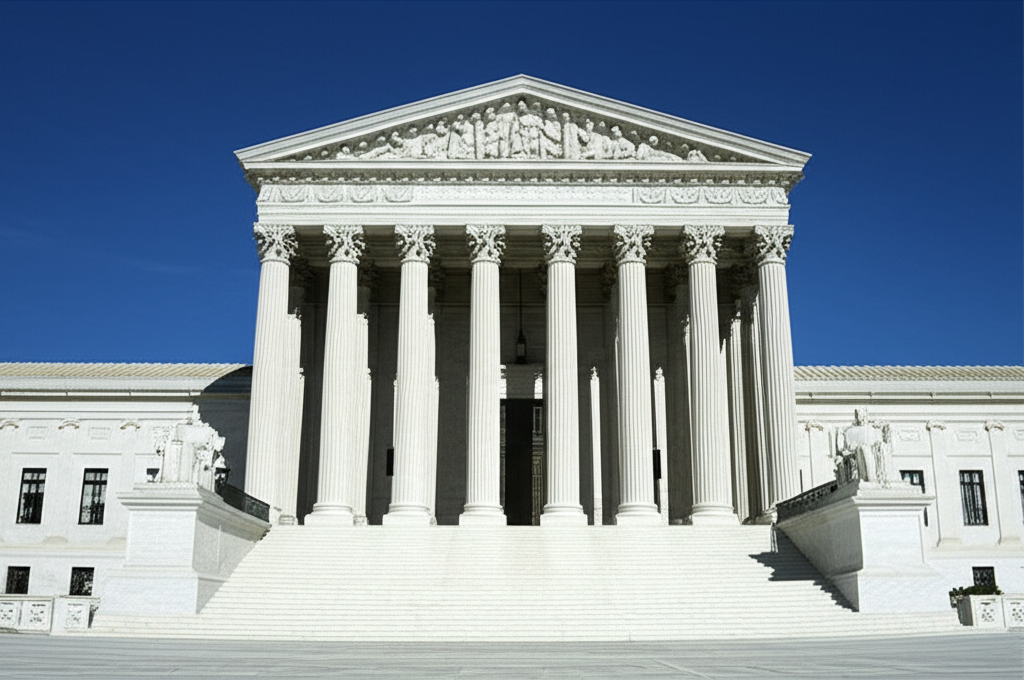
Supreme Court Building

The Supreme Court is the top court in the United States. It was established by the Judiciary Act of 1789. The United States Supreme Court is the highest authority in the judicial branch of the federal government. The role of the Supreme Court is to interpret laws and determine how those laws apply to court cases. The Supreme Court must also decide if laws and decisions made at a local, state, and national level are constitutional.

Fun Fact: Nine Justices

Nine judges, called justices, serve on the Supreme Court. Justices are not elected. Instead, the U.S. president nominates justices. Then, the Senate votes on whether the nominees can serve on the Supreme Court. The court is led by the chief justice of the United States. Supreme Court justices serve lifetime appointments. As of June 2022, 115 justices have served on the Supreme Court since 1789.

The Supreme Court's role is to make sure the law is followed and all citizens' rights are protected. This is why the words "Equal Justice Under Law" are carved on the front of the Supreme Court building.

🔄

4. Checks and Balances

How the branches limit each other's power

Checks and Balances

The writers of the U.S. Constitution wanted to limit the power of government so that the United States would be strong and endure. Articles I, II, and III of the Constitution separate the government into three branches. This ensures that branches of government share power equally. In order for these three branches to work together, the founders created a system of checks and balancesA system where each branch can limit the power of the other branches. This means that each branch of the government has to be in agreement with the other two.

Each branch has the power to stop certain actions of another branch. This happens if a branch believes those actions are unconstitutional or not in the best interest of the country. The system of checks and balances helps make sure that no branch of government becomes more powerful than the others.

How Checks and Balances Work

  • Congress can pass a law, but the President must approve it. If Congress can also override the president's decision to veto, or reject, a law.
  • The Supreme Court has the power to strike down a law that has been approved by both Congress and the president if it believes the law is unconstitutional.
  • The president appoints justices to the Supreme Court, but Congress must approve the choices.

Because of this system of checks and balances, U.S. citizens can be sure that their rights are always protected.

🏛️

5. Senate and House of Representatives

The two parts of Congress

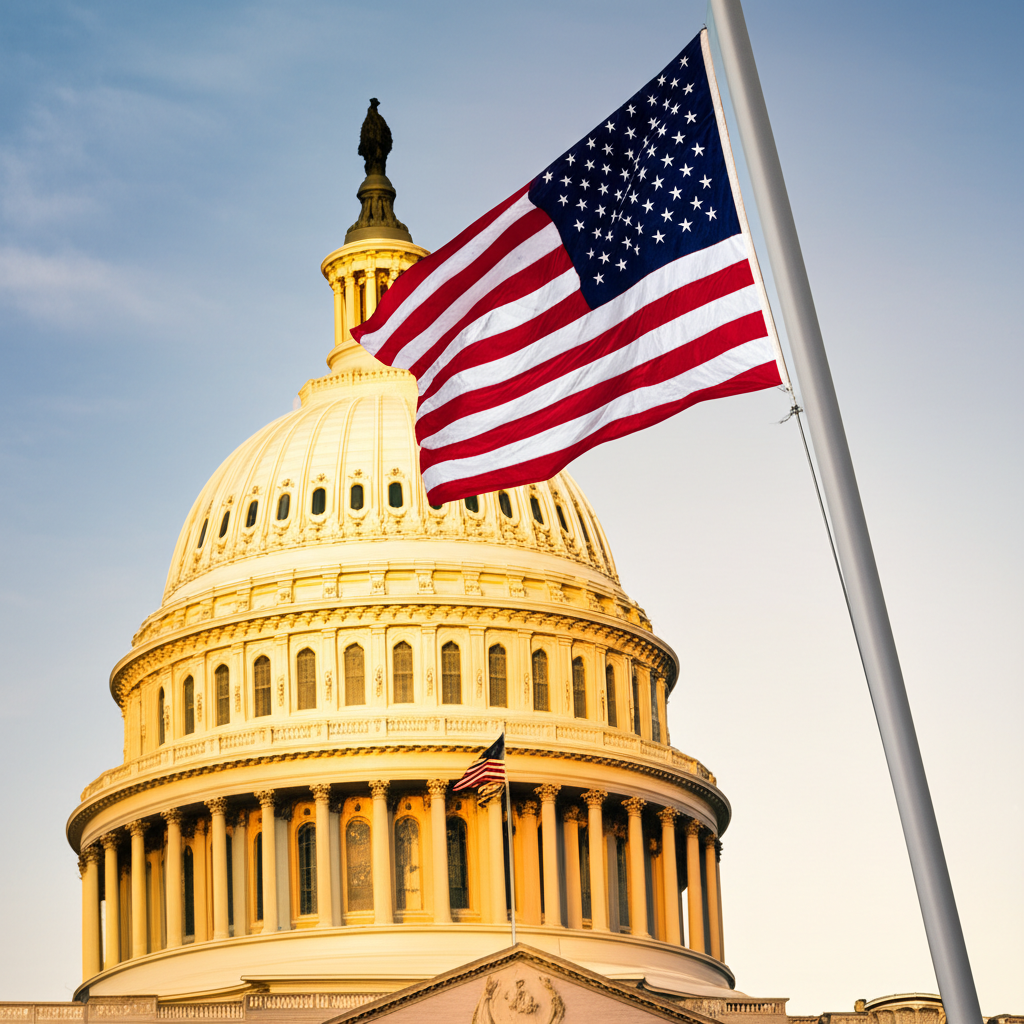
US Capitol Building

The legislative branch is composed of the U.S. Senate and the House of Representatives. These two chambers make up the U.S. Congress. The Senate and House of Representatives were established by Article I of the Constitution. The purpose of the Senate and House of Representatives is to make and pass laws.

Senate Requirements

The Constitution stipulates that two senators should represent each state in the Union. To serve in the Senate, officials must meet certain qualifications, including:

  1. Must be at least 30 years old
  2. Must be a citizen of the United States for a minimum of nine years
  3. Must be a resident of the state they wish to represent

Senators are directly elected by the people of each state. The term of office for a senator is six years. The vice president of the United States serves as the president of the Senate.

House of Representatives Requirements

The number of members of the House of Representatives is determined by the population of a state. States with larger populations have more members that represent their state while states with smaller populations do not have as many representatives. To serve as a member of the House of Representatives, a candidate must:

  1. Be at least 25 years old
  2. Be a citizen of the United States for a minimum of seven years
  3. Inhabit the state they represent

Members of the House of Representatives serve two-year terms of office.

Largest Number of Representatives Smallest Number of Representatives
State # of Reps State # of Reps
California 52 Delaware 1
Texas 38 North Dakota 1
Florida 28 South Dakota 1
New York 26 Vermont 1
Pennsylvania 17 Wyoming 1

*This chart includes information for the five states that have the most representatives and the five states with the smallest number of representatives as of 2022.

Today, there are 100 senators in the Senate and 435 representatives in the House. All of them were elected by the people of their states.

🗳️

6. Democratic Principles

Fairness, equality, justice, and voting

Voting and Democracy

Americans have different customs, traditions, and ethnic origins. Americans are united by the principles of a constitutional republic. The Constitution states that citizens need to respect individual rights and freedoms. Authority from the people limits the actions of the government, which protects their rights of liberty and freedom. By creating and enforcing laws, citizens can ensure their rights are protected. Respecting the rights of others means that everyone is treated equally.

The principles of fairness, equality, and justice have influenced government and laws (policies) over time at the local, state, and national levels of government.

⚖️

Fairness

Making sure that everyone has what they need to be successful

🤝

Equality

All people are treated the same, regardless of who they are

⚖️

Justice

People behave in a way that is fair, equal, and balanced for everyone

Fairness, equality, and justice are democratic valuesCore beliefs that guide how a democratic government should work. These values guide our government. They protect the rights of citizens.

Majority Rule and Minority Rule

Another democratic principle that guides the American political system is majority rule. Majority rule refers to a system in which more than half of those participating in the decision-making process determines the outcome.

Minority rule provides opportunities that a member is entitled to have, or to receive from others within the limits of the law, even though they may not be part of the controlling group. Organizing government in this manner ensures that all people are given a voice in government decisions.

📝

7. Review: Branches of Government

Summary and review activity

Using information from this week's issue, determine the purpose of each branch of government. Then, list two responsibilities of each branch.

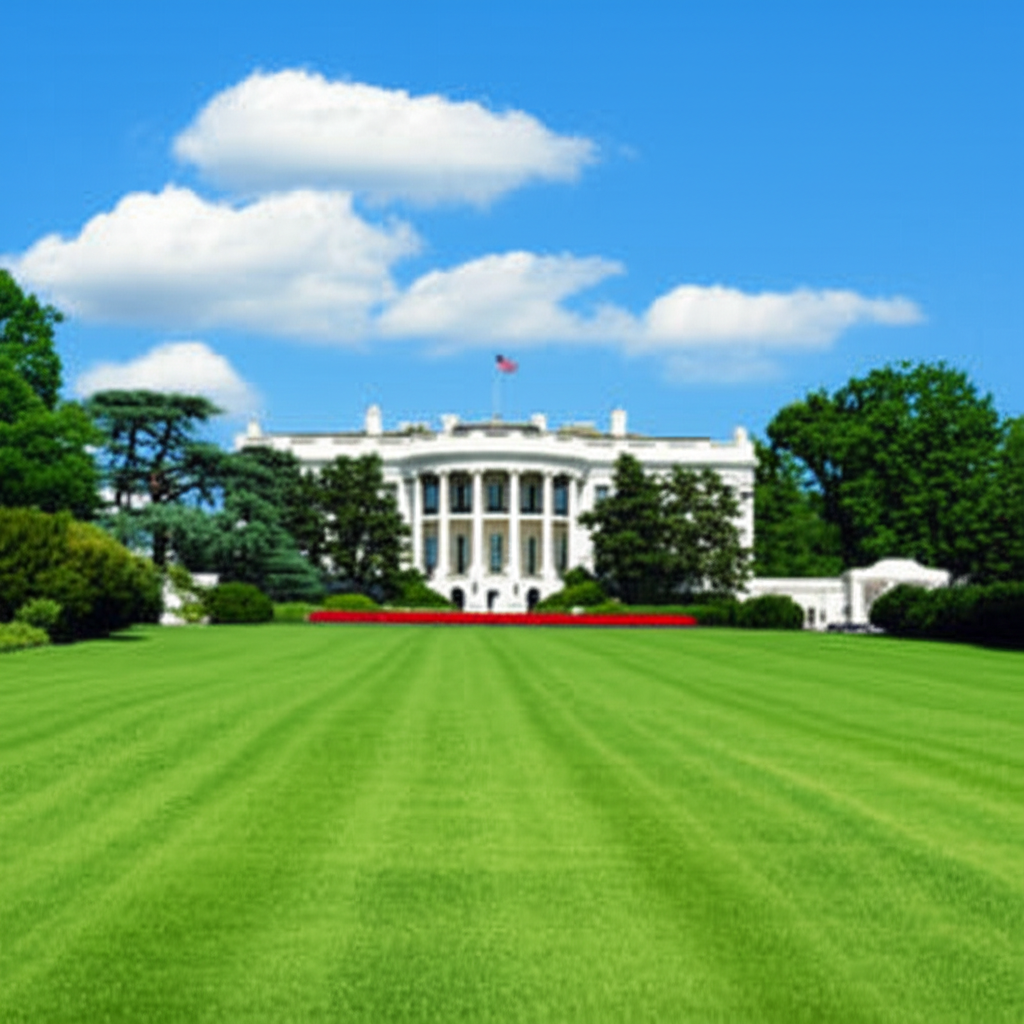
White House

Executive Branch

Purpose: Enforces our country's laws and commands the military

Responsibilities:

  • Signs or vetoes laws
  • Commands the armed forces
US Capitol

Legislative Branch

Purpose: Makes laws for the presidents and judges

Responsibilities:

  • Creates and passes laws
  • Approves presidential appointments
Supreme Court

Judicial Branch

Purpose: Interprets the law and makes decisions on it

Responsibilities:

  • Interprets the Constitution
  • Decides if laws are constitutional

Ready to Test Your Knowledge?

Complete the quiz to earn XP and show what you've learned!

Take the Quiz