Discover the magical world inside a geode and learn how crystals form. Explore their sparkling beauty and fascinating science.
Science Story
1. The Mystery of Geodes
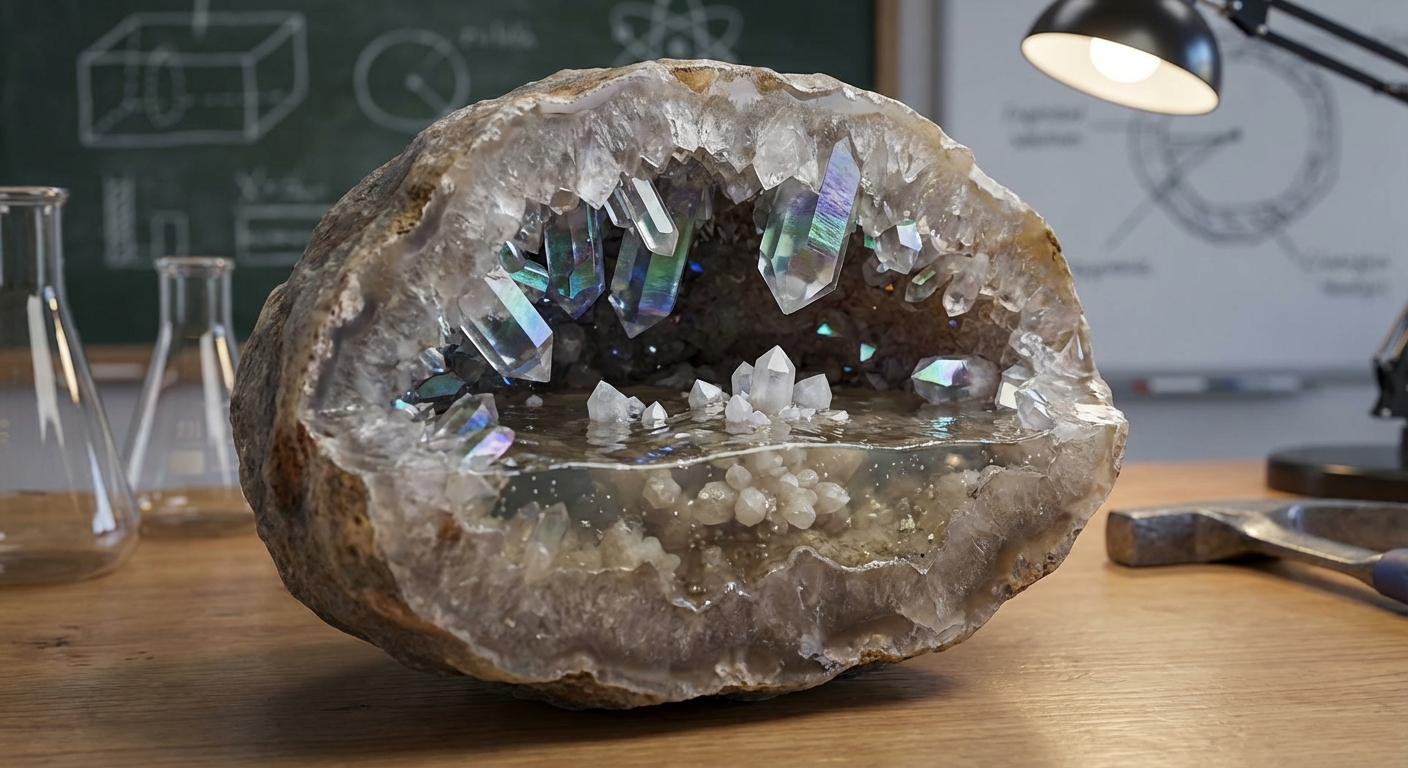
Have you ever seen a rock that looks ordinary on the outside but holds a sparkling surprise inside? These rocks are called geodes. Geodes are like nature's treasure chests, often found in volcanic or sedimentary rocks. They form when mineral-rich water enters a hollow cavity in a rock, and over time, crystals begin to grow. The type of crystals depends on the minerals present in the water.
Geodes vary in size from as small as a marble to as large as a basketball. The outer shell is usually rough and bumpy, while the inside is lined with stunning crystals of quartz, amethyst, or other minerals. It can take thousands of years for a crystal-filled cavity inside.">geode to form, making each one unique and special. Geodes are often discovered by lucky rock hunters who crack them open to reveal the glittering treasure inside.
2. How Crystals Grow
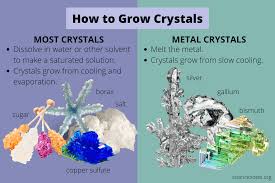
Crystals are fascinating structures that grow in a very orderly way. They form when atoms join together in a repeating pattern, creating beautiful shapes. In a crystal-filled cavity inside.">geode, crystals start to grow when mineral-rich water seeps into the rock's cavity. As the water evaporates, it leaves minerals behind, and over time, these minerals build up to form crystals.
The size and shape of the crystals depend on several factors, including the type of mineral, the temperature, and the amount of time they have to grow. For example, quartz crystals often grow into long, pointed shapes, while calcite crystals might form in flat, layered sheets. The colors of the crystals can also vary widely, depending on the minerals they contain. This process, called crystallization, can take thousands or even millions of years!
3. Types of Geode Crystals
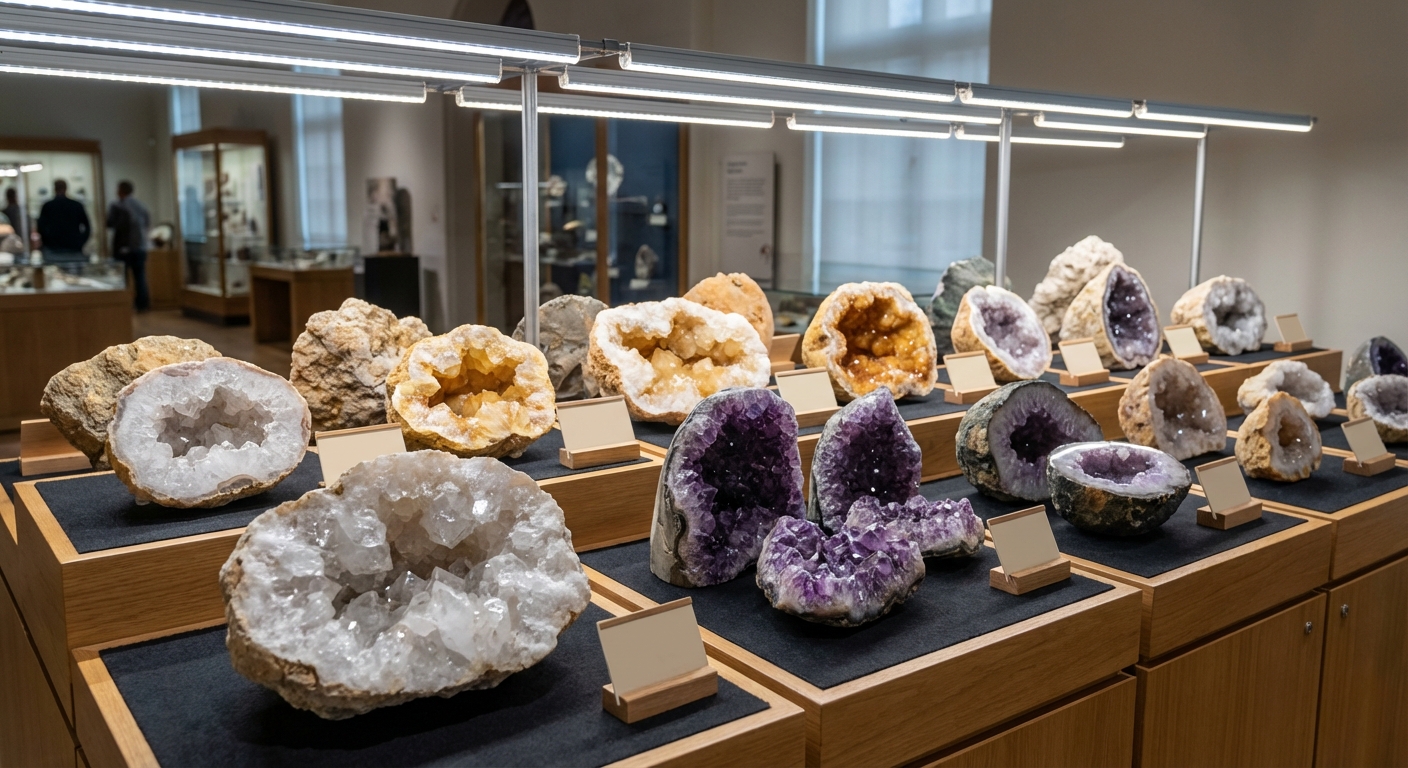
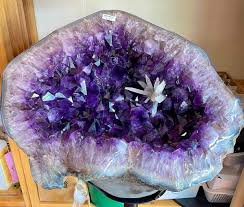
Geodes can contain a variety of crystals, each with its own unique properties and colors. Quartz is the most common crystal found in geodes. It often appears as clear or white crystals, but can also form in vibrant colors like purple, known as amethyst. Amethyst geodes are particularly prized for their deep, rich color and are often used in jewelry and decorative items.
Another fascinating type of crystal found in geodes is calcite. Calcite crystals can be white, yellow, or even orange, and they often form in layered, rhomboid shapes. Some geodes also contain rare and valuable crystals like celestite, which is known for its beautiful sky-blue color. The variety of crystals that can form inside a cavity inside.">geode makes each one a unique piece of natural art.
4. Where to Find Geodes
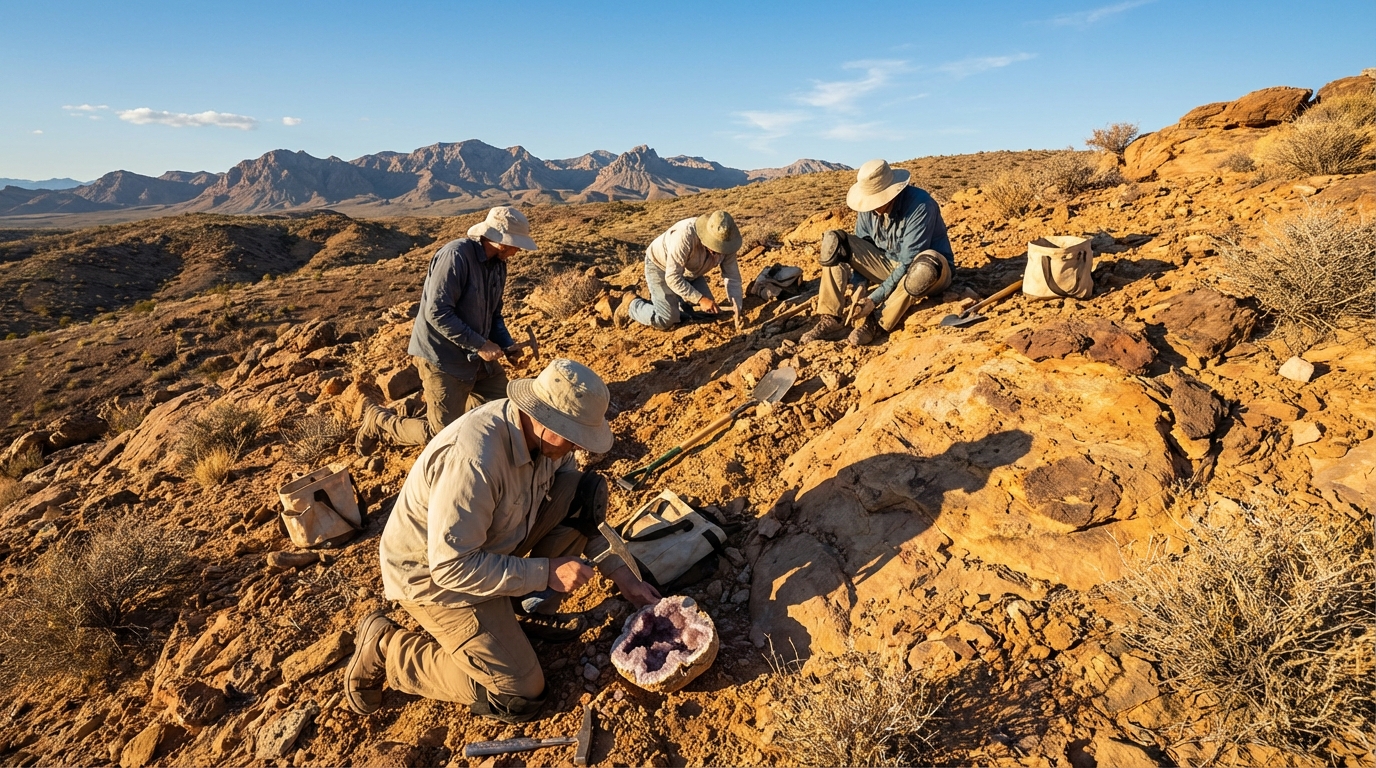
Geodes are found in many parts of the world, especially in areas with volcanic activity or sedimentary rock formations. Some of the most famous crystal-filled cavity inside.">geode hunting spots include the deserts of the southwestern United States, such as in Arizona and Utah. These areas are rich in volcanic rock, making them perfect places for geode formation.
Geode hunting can be a fun adventure, but it requires some patience and a sharp eye. Often, geodes are buried beneath the surface, so hunters use tools like small hammers or chisels to gently crack them open. It's important to follow local regulations and respect the environment while searching for these natural treasures. Always be sure to leave the area as you found it, so future geode hunters can enjoy their own discoveries.
5. The Science of Geodes
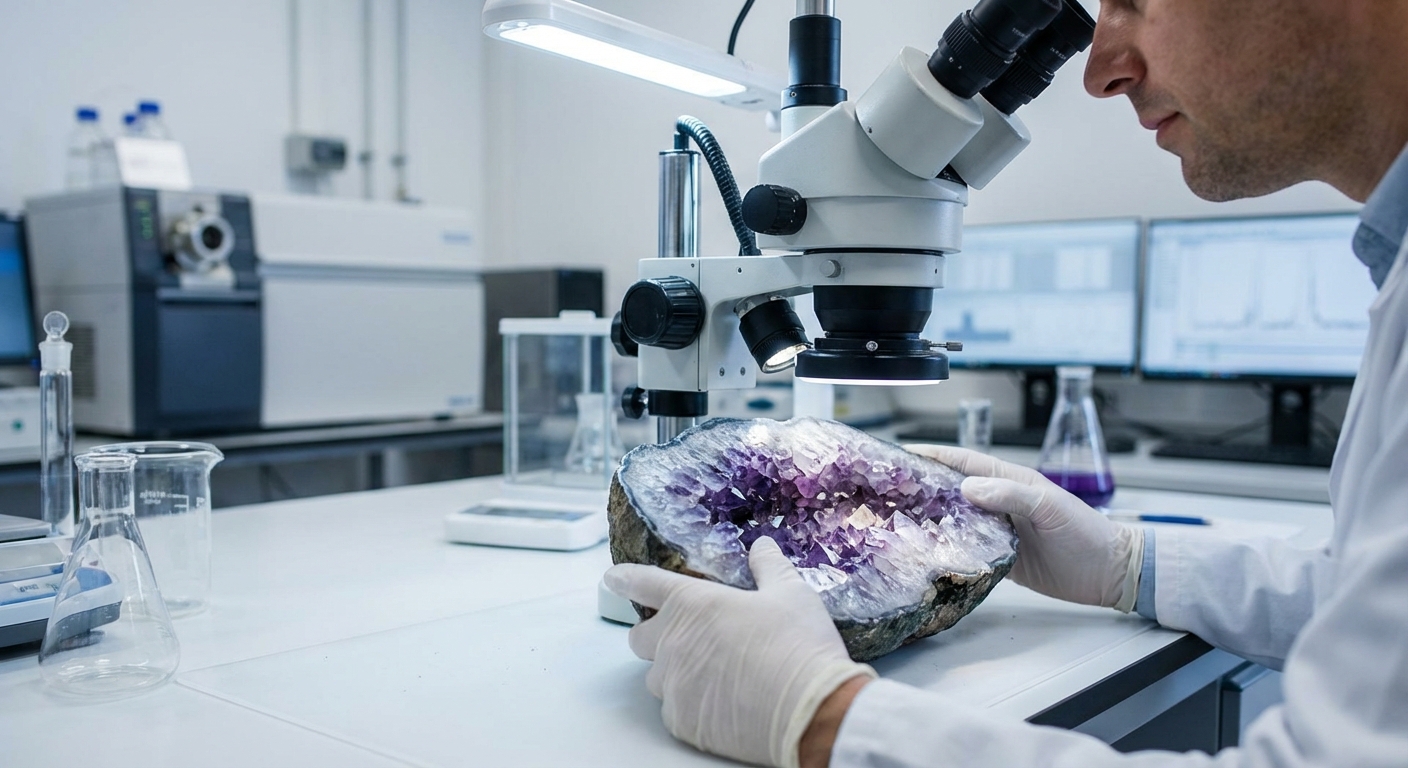
Studying geodes can teach us a lot about geology and the history of our planet. Scientists examine geodes to learn how they form, what minerals they contain, and how long the process takes. By analyzing the crystals inside a crystal-filled cavity inside.">geode, scientists can determine the conditions that existed when the geode was forming, such as the temperature and pressure.
Geodes also help scientists understand the movement of mineral-rich waters and the changes in Earth's crust over time. Each geode is like a time capsule, preserving a snapshot of Earth's geological history. By studying these natural wonders, scientists can gain insights into the processes that shape our planet and the environments that existed millions of years ago.
Spy vs Spy: Spy vs Spy: The Geode Heist
Pro tip: When searching for geodes, remember that not all surprises sparkle... some just make a mess!
White Spy:
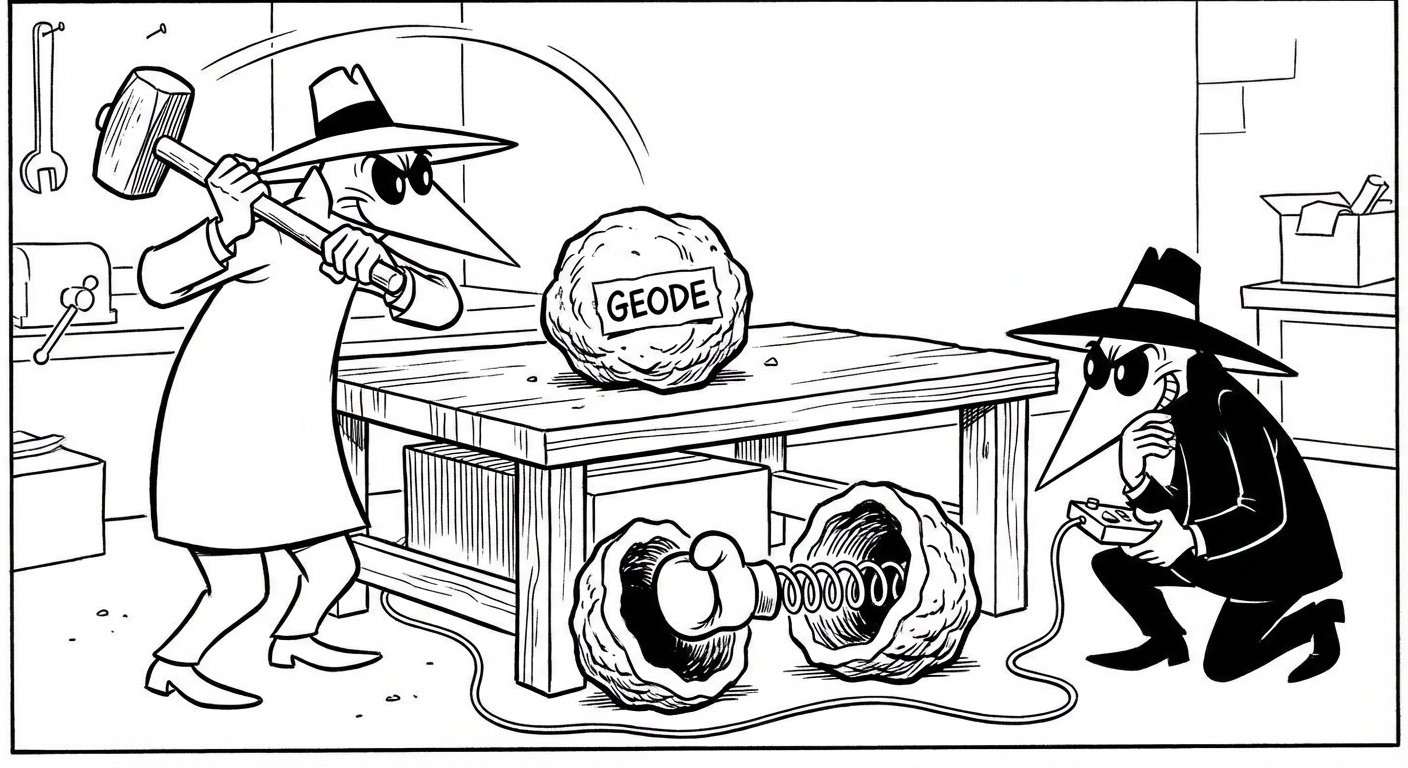
White Spy carefully plans to break open a giant geode to reveal its hidden treasure.
Black Spy:
Black Spy sneaks in and swaps the giant geode with a fake one filled with confetti.
The Twist: White Spy cracks open the geode only to be showered with confetti instead of crystals!
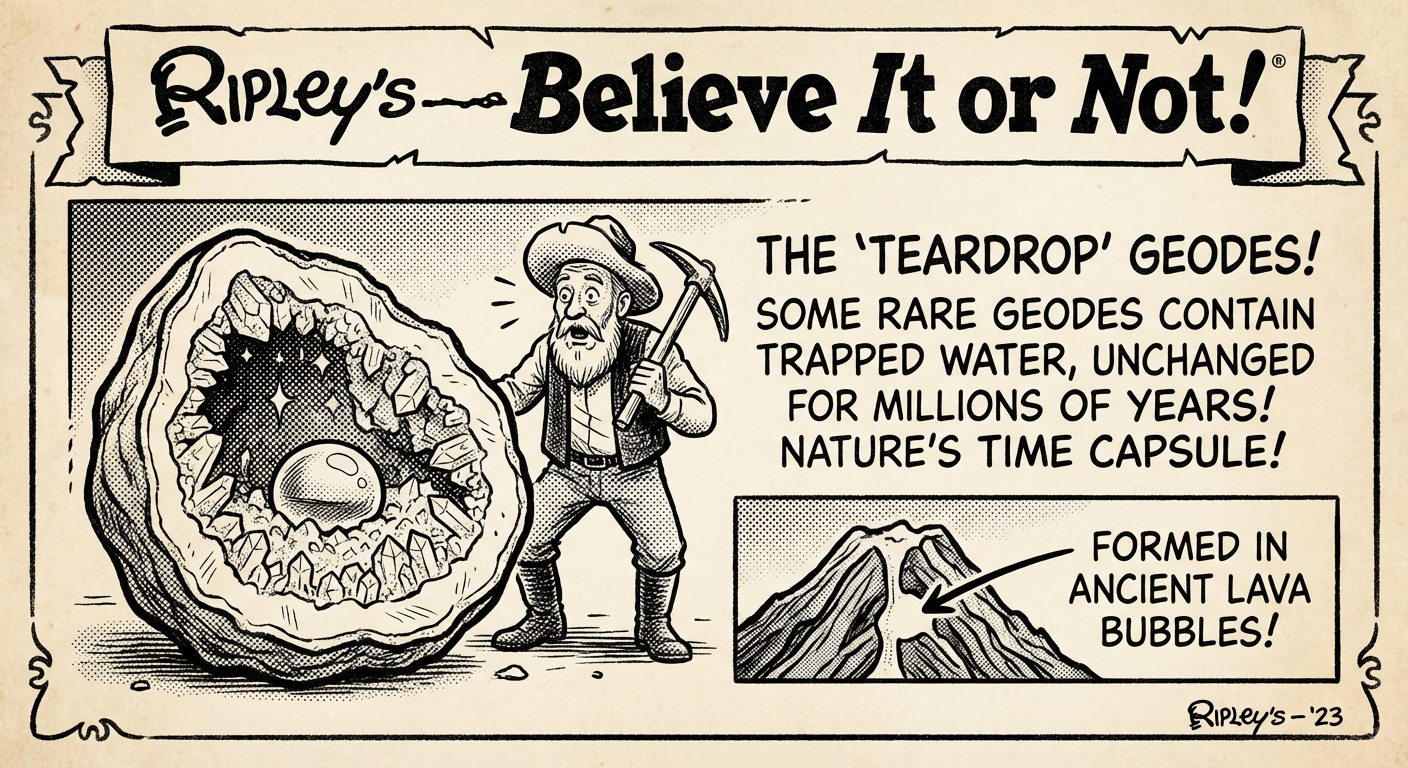
Ripley's Believe It or Not!
The largest geode ever discovered is the Crystal Cave in Ohio, which is 35 feet long and lined with celestite crystals - big enough for people to walk inside!
Discussion Questions
Why do you think geodes can be found in volcanic areas?
How can the study of geodes help us understand Earth's history?
What makes each geode unique compared to others?
Why is it important to follow rules when hunting for geodes?
What do you think is the most fascinating part about how crystals grow inside geodes?
Activity: Create Your Own Crystal Garden
Materials needed:
jar
warm water
salt or sugar
string
pencil
1. Fill a small jar with warm water. 2. Add a tablespoon of salt or sugar and stir until dissolved. 3. Tie a string to a pencil and place it across the jar opening, letting the string dangle into the solution. 4. Leave the jar undisturbed in a sunny spot. 5. Check daily to observe crystal growth on the string.
Real Photos
{$proTip}
{$proTip}
Story Sections
Vocabulary
A rock with a crystal-filled cavity inside.
A solid substance with a regular, repeating pattern of atoms.
A naturally occurring, inorganic substance with a definite chemical composition.
A hollow space within a solid object, often found in rocks.
Related to rocks formed by the accumulation of sediment.
Pertaining to or produced by a volcano or volcanic activity.
A common mineral found in geodes, often clear or white.
A mineral known for its rhomboid crystal shapes, found in geodes.
A purple variety of quartz often found in geodes.
The process of forming crystals from a liquid or gas.
Fun Fact
The largest geode ever discovered is the Crystal Cave in Ohio - it is 35 feet long and you can walk inside it!