Dover, Delaware is one of America's smallest state capitals, with fewer than 40,000 residents. But this quiet city on the Delaware coastal plain played a crucial role in American history when Delaware became the first state to ratify the U.S. Constitution.
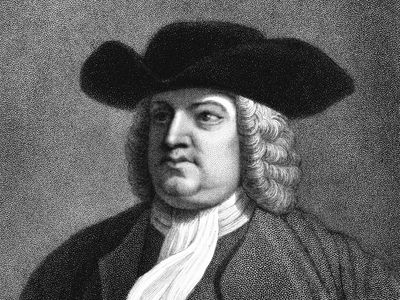
The town was named Dover, after the English port city. Penn's surveyor created a grid of streets around a central green—the same town planning pattern used throughout colonial America. Dover's green still exists, surrounded by historic buildings.
Dover grew slowly as a farming market town. Delaware's coastal plain produced wheat, corn, and other crops. Dover's central location made it a convenient meeting place.
Becoming Delaware's Capital
Delaware's original capital was New Castle, the colony's oldest settlement. But New Castle sat in far northern Delaware, too close to Pennsylvania. Southern Delaware residents wanted a more central capital.
In 1777, during the Revolutionary War, Delaware moved its capital to Dover. The new capital sat in Kent County, midway between Delaware's northern and southern counties. Dover has remained Delaware's capital ever since.
The First State
Delaware's most important moment came in December 1787. That summer, delegates in Philadelphia had written the U.S. Constitution, creating a stronger federal government. But the Constitution needed approval from nine states to take effect.
Each state held a ratifying convention. Delaware's convention met in Dover on December 7, 1787. The delegates debated briefly, then voted unanimously—30 to 0—to ratify the Constitution.
Delaware was first. No other state had voted yet. Delaware's quick, unanimous ratification earned it the nickname "The First State," which appears on Delaware license plates and everywhere else. Delawareans are intensely proud of being first.
Why did Delaware vote first? The small state feared being dominated by larger neighbors like Pennsylvania, Maryland, and Virginia. The Constitution protected small states by giving each state two senators regardless of population. Delaware's delegates enthusiastically supported this protection.
The Delaware State House
Delaware's State House, completed in 1792, is one of the oldest state capitols still in use. This elegant Georgian building, with its white cupola and brick walls, sits on Dover's green.
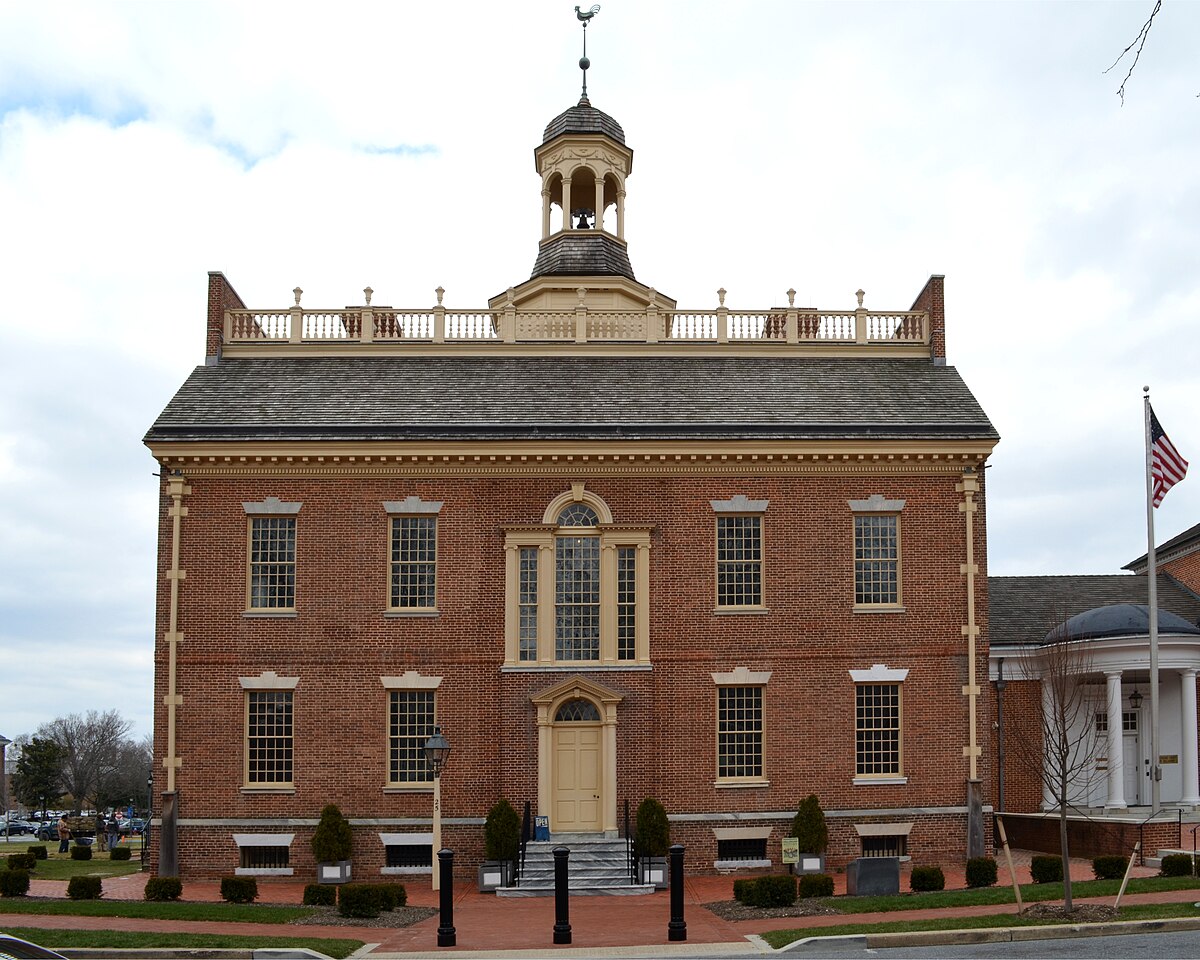
The building is remarkably well-preserved. The legislative chambers, county courtrooms, and governor's office look much as they did in the 1790s. Visitors can stand where Delaware's delegates voted to ratify the Constitution and where the state legislature met for over 180 years.
Delaware built a larger Legislative Hall in 1933, but the old State House remains a beloved symbol and museum.
Dover Air Force Base
Dover's biggest employer isn't government—it's Dover Air Force Base, established in 1941. The massive base houses cargo aircraft that transport military personnel and equipment worldwide.
Dover AFB also has a solemn duty: it's home to the Port Mortuary, where fallen American service members return to U.S. soil. The dignified transfer ceremonies honor these heroes. Presidents often attend these ceremonies at Dover.
The base employs thousands of military personnel and civilians, making it crucial to Dover's economy.
Speedway and NASCAR
Dover International Speedway, nicknamed "The Monster Mile," brings excitement to this quiet capital. The one-mile concrete oval track hosts NASCAR races twice yearly. Race weekends transform Dover, bringing over 100,000 fans to a city of 39,000.

The speedway, built in 1969, features steep banking and concrete surface—unusual in NASCAR. Drivers call it challenging and punishing. Fans love the speed and close racing.
Agricultural Heritage
Despite military bases and NASCAR, Dover remains connected to Delaware's agricultural heritage. Kent County produces soybeans, corn, and chickens. Delaware is one of America's top chicken-producing states. Perdue and other poultry companies have facilities near Dover.
The Delaware Agricultural Museum preserves farming history. The nearby Amish community in southern Delaware maintains traditional farming methods.
Modern Dover
Dover has worked to balance growth with preserving its historic character. The downtown around the green features restored 18th and 19th century buildings. The First State Heritage Park connects historic sites with walking trails.
Delaware State University, a historically Black university founded in 1891, brings educational opportunity and diversity to Dover. The university has produced notable alumni including U.S. Congresswoman Lisa Blunt Rochester.
Dover lacks the bustle of larger capitals, but that's part of its charm. Residents appreciate the small-town feel combined with capital city amenities. You can walk from the State House to farmland in twenty minutes.
From William Penn's planned town to First State to Monster Mile, Dover proves that small can be mighty. Delaware may be America's second-smallest state, but Dover's place in history is enormous—first to say yes to the Constitution, forever the First State.