Frankfort, Kentucky is one of America's smallest state capitals, with fewer than 30,000 residents, nestled in a narrow valley along the Kentucky River. This little city sits at the heart of bluegrass country and bourbon country, representing Kentucky's heritage of horses, whiskey, and frontier spirit.
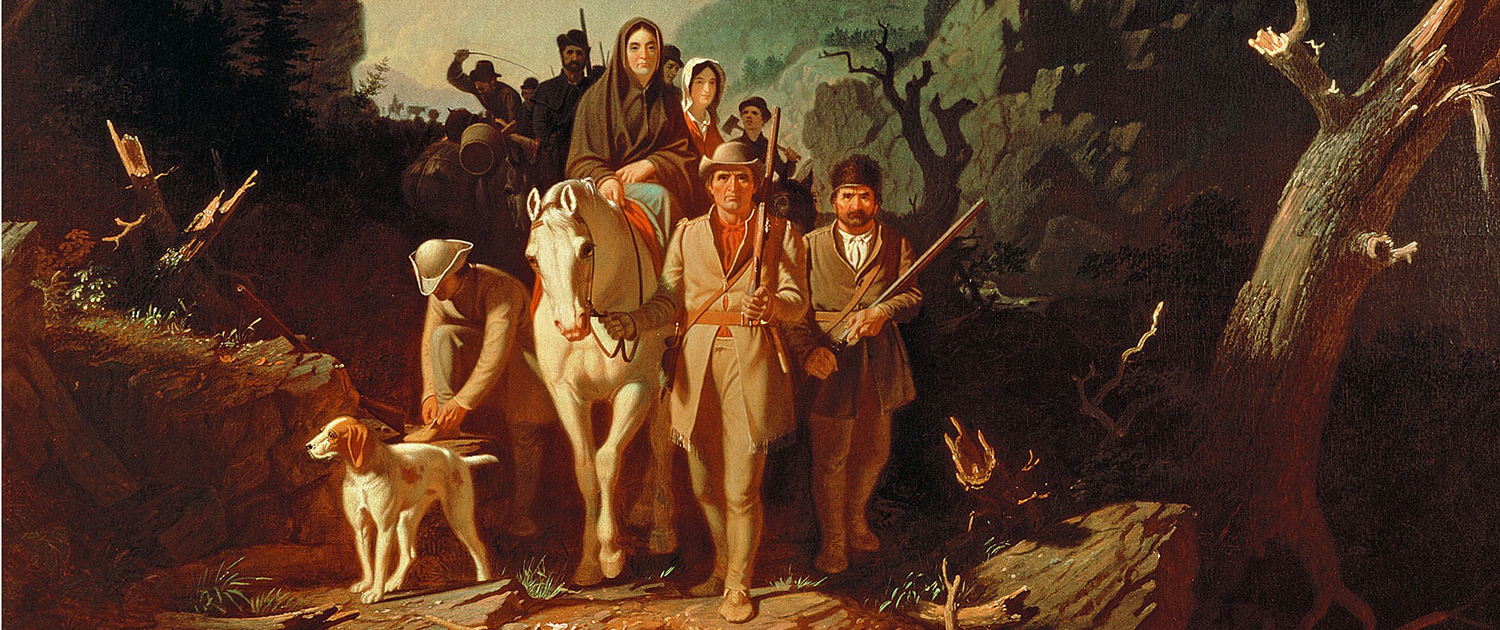
Daniel Boone and the Wilderness Road
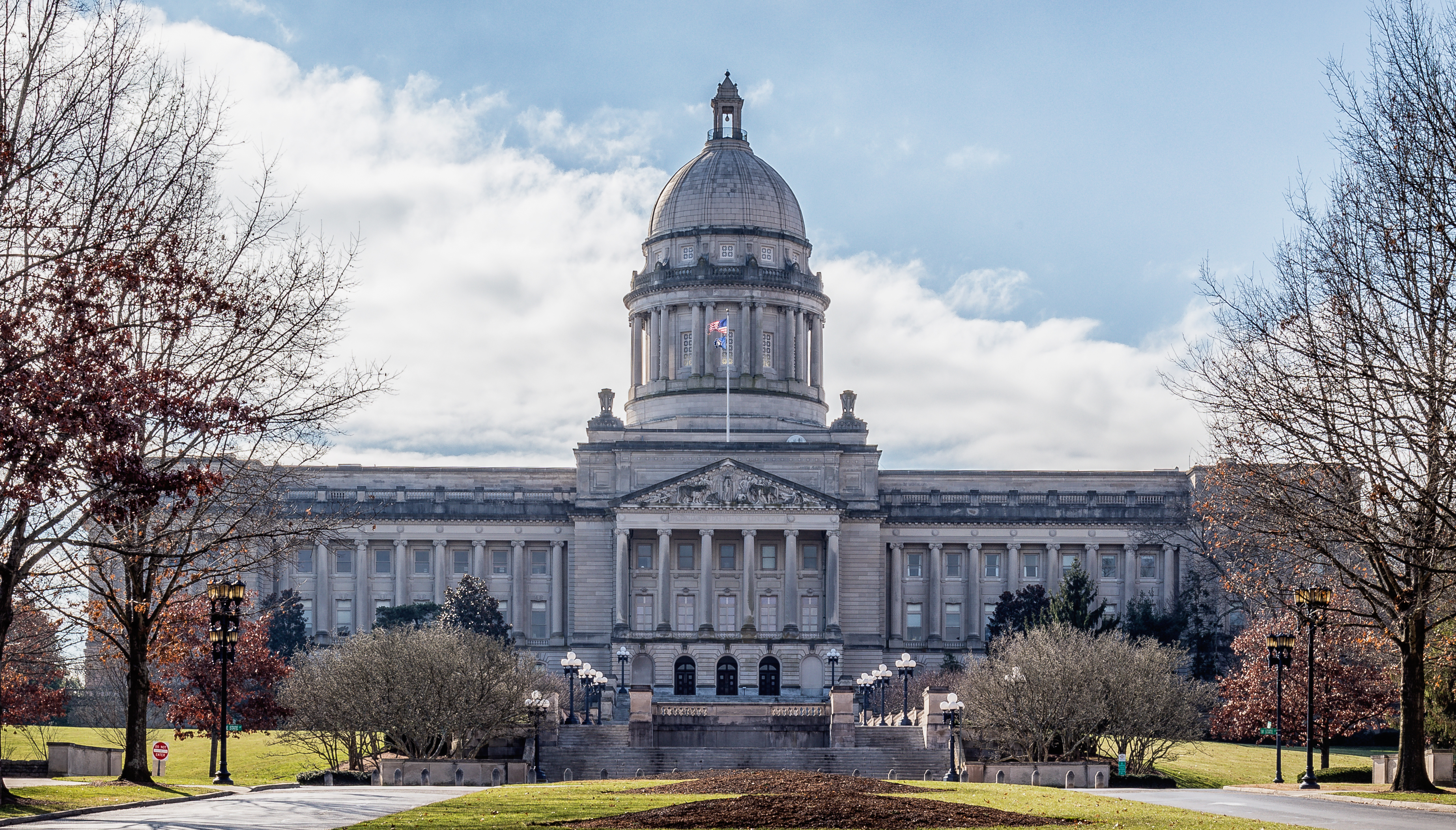
Before Frankfort existed, Daniel Boone blazed the Wilderness Road through the Cumberland Gap in 1775, opening Kentucky to settlement. Thousands of pioneers followed, crossing the Appalachian Mountains to settle in Kentucky's fertile bluegrass region.
The area around Frankfort attracted early settlers because the Kentucky River provided transportation and waterpower. Native Americans had lived here for centuries—numerous burial mounds remain as evidence.
In 1786, General James Wilkinson established a settlement he named Frankfort, supposedly after Stephen Frank, a pioneer killed by Native Americans at a river ford nearby. The name meant "Frank's Ford."
Frankfort sat near where the Kentucky River could be easily crossed, making it a strategic location for trade and travel. Flatboats floated down the Kentucky River carrying hemp, tobacco, and other goods to the Ohio River and beyond.
Becoming Kentucky's Capital
When Kentucky achieved statehood in 1792, several towns competed to be the capital—Lexington, Louisville, Frankfort. The choice was Frankfort, perhaps because it sat more centrally than Louisville and was smaller and less expensive than Lexington.
Legend says Frankfort won because local residents offered to build the capitol building and provide construction materials for free—an offer the cash-strapped new state couldn't refuse. Whether entirely true or not, Frankfort became Kentucky's capital.
The current Kentucky State Capitol, completed in 1910, is Kentucky's fourth capitol building (previous capitols burned or were outgrown). The beautiful Beaux-Arts building features a dome and impressive interiors. It sits on a hill overlooking the Kentucky River and downtown Frankfort.
The Kentucky Old State Capitol, used from 1830 to 1910, still stands downtown. Designed in Greek Revival style with a distinctive rotunda, it's one of the oldest capitol buildings west of the Appalachians still standing.
Bourbon—Kentucky's Native Spirit
Frankfort sits in the heart of bourbon country. Bourbon whiskey, America's only native spirit (by Congressional declaration in 1964), is deeply tied to Kentucky.
Bourbon must be made in America (though not necessarily Kentucky), contain at least 51% corn, and be aged in new charred oak barrels. Kentucky's limestone-filtered water, climate, and distilling tradition make it the bourbon capital.
Multiple bourbon distilleries operate in and around Frankfort. Buffalo Trace Distillery, one of America's oldest continuously operating distilleries, sits on the Kentucky River just outside Frankfort. The distillery survived Prohibition by making medicinal whiskey.
The Kentucky Bourbon Trail tourist route connects distilleries across central Kentucky, with several near Frankfort. Bourbon tourism brings millions of visitors and hundreds of millions of dollars to Kentucky's economy annually.
Thoroughbred Horses
Kentucky's bluegrass region produces champion thoroughbred horses. The limestone-rich soil creates grass high in calcium, perfect for building strong horse bones. Breeding farms surround Frankfort, raising horses that compete at the Kentucky Derby and racetracks worldwide.
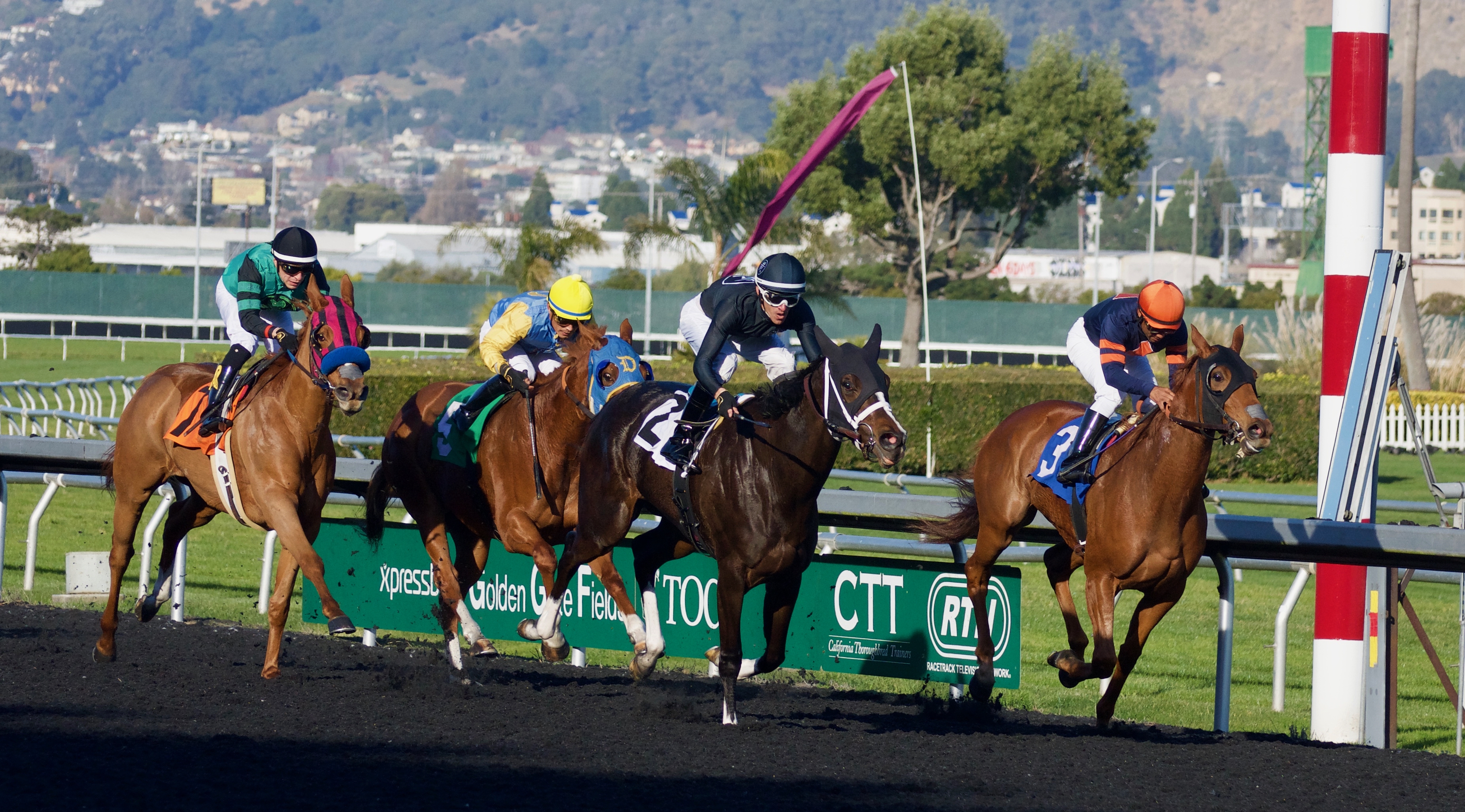
Frankfort celebrates this heritage. The Kentucky Horse Park in nearby Lexington showcases equine history. Thoroughbred racing is Kentucky's signature sport, and bourbon and horses define Kentucky's identity.
Civil War Division
The Civil War tore Kentucky apart. Kentucky was a border state that remained in the Union, but many Kentuckians sympathized with the Confederacy. Families divided—brothers fought brothers.
Frankfort remained under Union control throughout the war, though Confederate forces briefly occupied the city in 1862. Kentucky supplied soldiers to both armies—more to the Union, but a significant number to the Confederacy.
After the war, Kentucky struggled with its divided loyalties. Unlike Deep South states, Kentucky wasn't placed under military Reconstruction, but racial tensions and violence persisted.
The Civil War monument at the Kentucky State Capitol is unusual—it honors both Union and Confederate soldiers from Kentucky. The divided monument reflects Kentucky's divided soul.
Political Heritage
Frankfort has been the stage for Kentucky politics for over 230 years. Notable Kentucky politicians include Henry Clay, the "Great Compromiser" who served as Speaker of the House and Secretary of State; Abraham Lincoln, born in Kentucky; and Jefferson Davis, President of the Confederacy, also born in Kentucky—showing Kentucky's division.
Modern Kentucky politics often centers on coal (eastern Kentucky), agriculture (central Kentucky), and bourbon (everywhere). Frankfort, as the capital, hosts these debates.
Small Capital, Big Impact
Frankfort is unusual among state capitals for remaining small. Most capitals grew into large cities, but Frankfort stayed modest. Louisville and Lexington are much larger, yet Frankfort kept the capital.
This small size gives Frankfort charm. You can walk downtown in minutes. The Capitol is accessible, not lost in a huge city. State legislators and citizens can interact informally.
But small size creates challenges. Frankfort has limited economic diversification beyond government. Young people often leave for opportunities in Louisville or Lexington. The city works to attract tourism (bourbon, history) and state employment.
Modern Frankfort
Today's Frankfort balances its roles as state capital, bourbon tourism destination, and small Kentucky town. Downtown features historic buildings, local restaurants, and bourbon bars.
The Kentucky River still flows through town, though flatboats are long gone. The bridges crossing the river connect Frankfort's north and south sides.
State government remains the largest employer. When the legislature is in session (January-March in even years, January-April in odd years), Frankfort bustles with lawmakers, lobbyists, and citizens. The rest of the year, it's quieter.
From frontier ford to bourbon capital to horse country heart, Frankfort represents Kentucky's unique blend of Southern heritage, Appalachian spirit, and bluegrass pride. It's a place where Daniel Boone might still recognize the hills and river, where bourbon ages in barrels like it has for centuries, and where Kentucky's past and present meet in a small capital with a big Kentucky heart.