Little Rock, Arkansas sits on the south bank of the Arkansas River, named for a small rock formation that marked a shallow river crossing. French explorers called it "La Petite Roche"—the little rock—to distinguish it from a larger rock formation upriver. This modest landmark gave Arkansas's capital its name and location.
The Little Rock
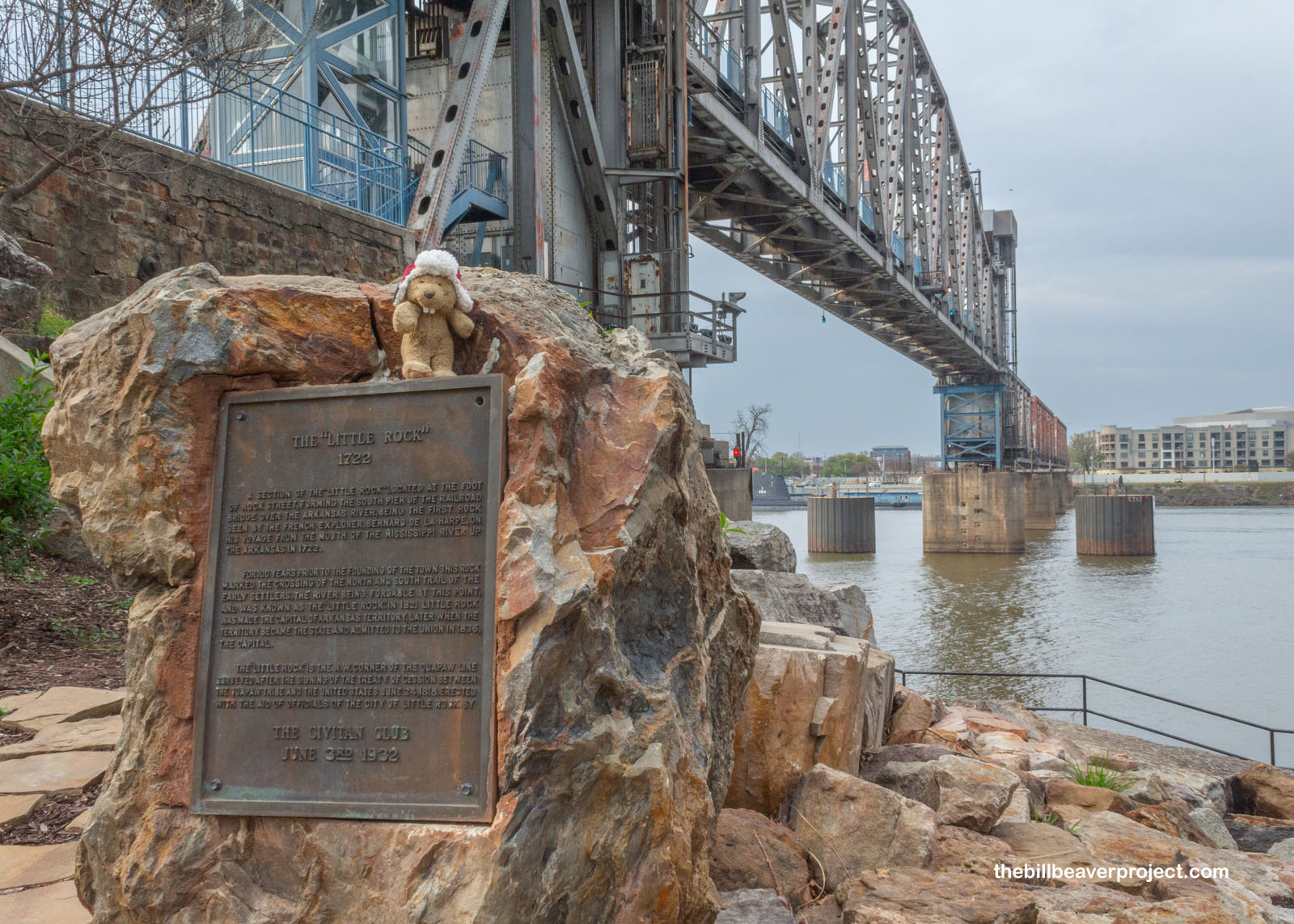
The actual "little rock" still exists, preserved in Riverfront Park downtown. For centuries, Native Americans and early explorers used this distinctive outcropping as a landmark when crossing the Arkansas River. The rock marked the transition from the flat Mississippi Delta to the foothills of the Ouachita Mountains.
French trader Jean-Baptiste Bénard de la Harpe noted the rock in 1722. When Arkansas became a territory in 1819, settlers built a town at the Little Rock crossing. It became the territorial capital in 1821, chosen for its central location and river access.
Arkansas achieved statehood in 1836, and Little Rock remained the capital. The city served as a river port, shipping cotton and other goods down the Arkansas and Mississippi Rivers to New Orleans.
The Arkansas State Capitol
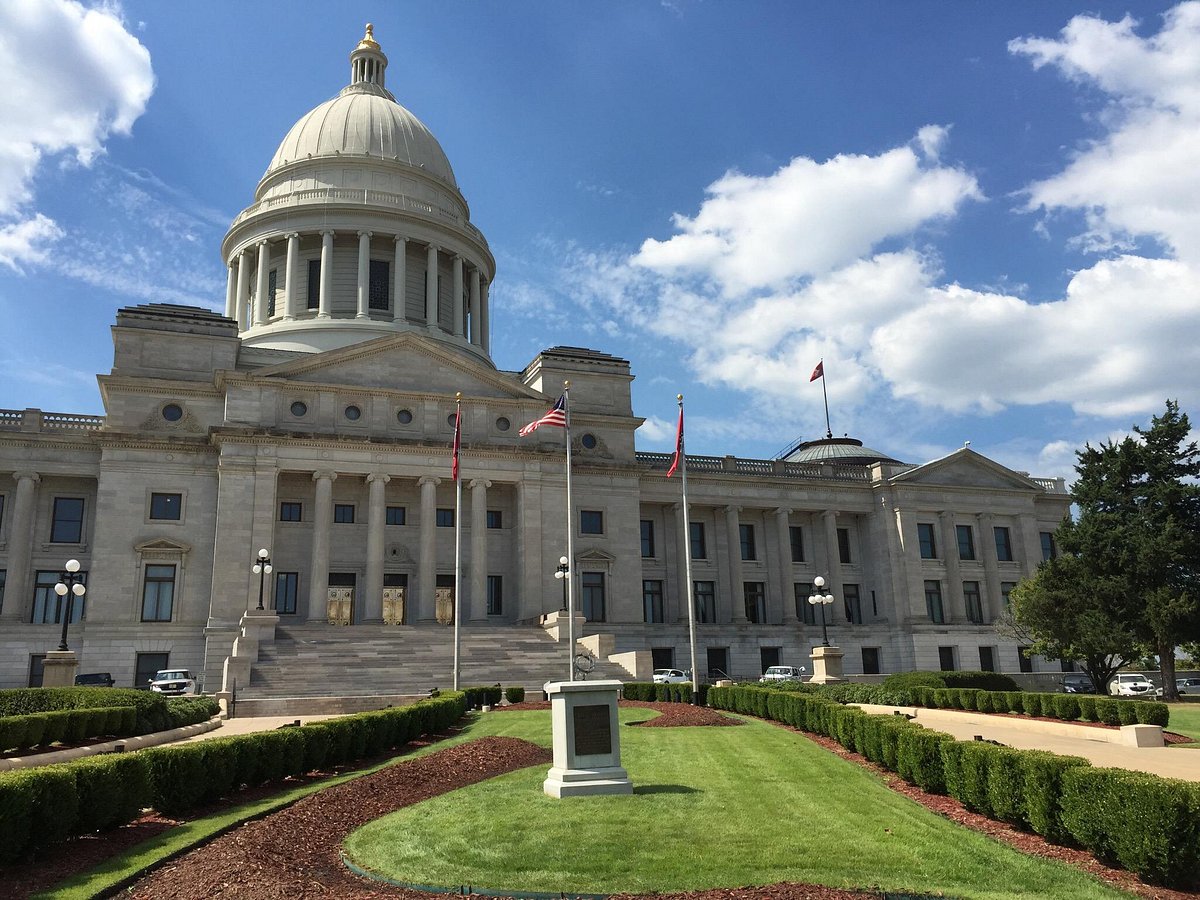
Little Rock's State Capitol, completed in 1915, took 16 years to build. Modeled after the U.S. Capitol in Washington, it features a golden dome and beautiful marble interior. The building sits on a hill overlooking the Arkansas River, visible for miles.
The Civil War and Reconstruction
During the Civil War, Union forces captured Little Rock in 1863. The city became the headquarters for federal military government in Arkansas. After the war, Reconstruction brought political turmoil. Arkansas readmitted to the Union in 1868, but racial tensions remained high.
The Brooks-Baxter War of 1874—a bizarre conflict between two men claiming to be governor—nearly destroyed Little Rock. Armed supporters of both candidates fought in the streets. President Grant finally intervened, declaring one side the winner. Arkansas adopted a new constitution to prevent such chaos again.
Central High School - 1957
Little Rock's most important moment came in 1957. Three years earlier, the Supreme Court had ruled in Brown v. Board of Education that school segregation was unconstitutional. Many Southern states resisted integration. Arkansas's schools remained segregated.
Nine Black students—Minnijean Brown, Elizabeth Eckford, Ernest Green, Thelma Mothershed, Melba Pattillo, Gloria Ray, Terrence Roberts, Jefferson Thomas, and Carlotta Walls—were selected to integrate Little Rock Central High School in fall 1957.
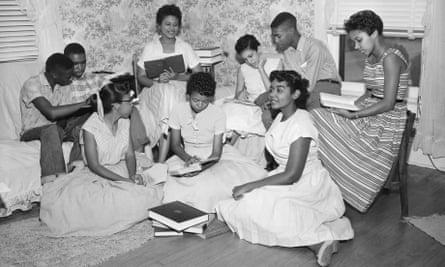
On September 4, 1957, these teenagers tried to attend their first day of school. Arkansas Governor Orval Faubus had ordered the National Guard to block them from entering. An angry mob of white protesters shouted threats and slurs. Elizabeth Eckford, separated from the group, walked alone through the hostile crowd in one of history's most powerful photographs.
For three weeks, the nine students couldn't attend school. Finally, President Eisenhower ordered the 101st Airborne Division to Little Rock. On September 25, federal troops escorted the Little Rock Nine into Central High School. Soldiers remained at the school all year, protecting the students from harassment and violence.
The nine students endured horrible treatment—spitting, shoving, verbal abuse—from some white students. Minnijean Brown was expelled after retaliating against harassment. But Ernest Green became the first Black student to graduate from Central High in May 1958, with Dr. Martin Luther King Jr. attending his graduation.
Governor Faubus closed all Little Rock high schools the next year rather than continue integration. They reopened in 1959, and integration gradually proceeded.
Little Rock Nine Legacy
The Little Rock Nine demonstrated extraordinary courage. They were teenagers facing adult hatred, yet they persevered. Their story showed America the ugly reality of segregation and the bravery required to challenge it.
Today, Little Rock Central High School still operates as a working high school. It's also a National Historic Site, preserving the story of the Little Rock Nine. A visitor center across the street tells their story with photographs, artifacts, and recordings.
Modern Little Rock
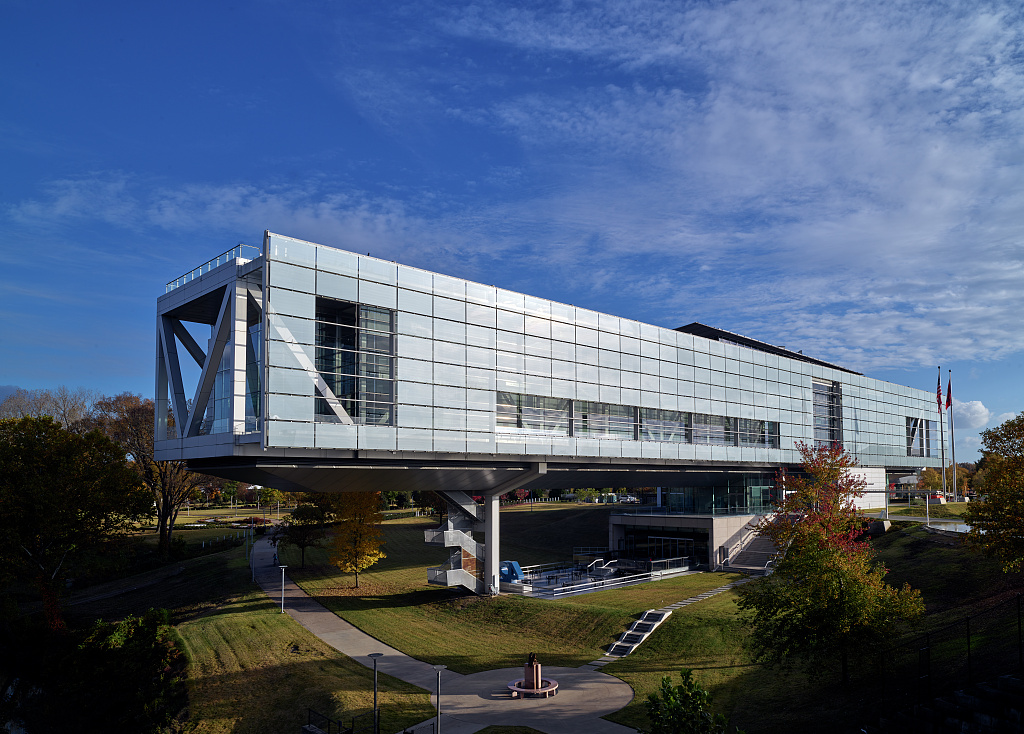
Little Rock grew into Arkansas's largest city and economic center. The Clinton Presidential Library, opened in 2004, honors native son Bill Clinton, who served as Arkansas governor before becoming president. The library sits on the Arkansas River, connecting Little Rock's history with its future.
The city has worked to confront its past while building a more inclusive future. Little Rock Nine Memorial stands at the State Capitol, honoring those nine courageous students.
From a French explorer's river crossing to the site of America's most dramatic civil rights confrontation, Little Rock proves that small places can have enormous impact. The Little Rock Nine showed that changing unjust laws requires courage, and that teenagers can change the world.