Tallahassee sits in Florida's panhandle, perched on rolling hills unlike the flat landscape most people associate with Florida. The name comes from the Muskogee language, meaning "old town" or "old fields," referring to Native American settlements that existed here for centuries before Europeans arrived.
Why Tallahassee?
Florida became a U.S. territory in 1821 after Spain ceded it to the United States. The territory needed a capital, but where? Florida had two main settlements—St. Augustine on the Atlantic coast and Pensacola on the Gulf coast—separated by hundreds of miles of wilderness.
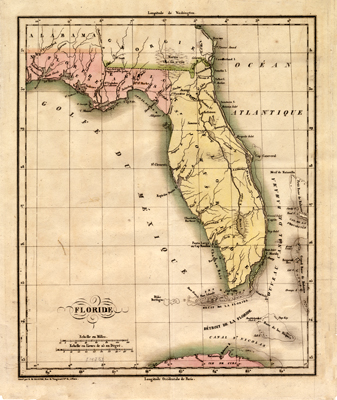
Choosing either St. Augustine or Pensacola would anger the other region. So in 1824, two representatives—one from each city—rode on horseback toward each other. They met at an old Native American settlement in the hills. Perfect! This spot, roughly midway between the two cities, became Florida's capital.
Tallahassee's hilly terrain is unusual for Florida. The area sits in Florida's Red Hills region, with gently rolling hills and red clay soil. It's more like southern Georgia or Alabama than beach Florida.
The Apalachee and Spanish Missions
Long before Tallahassee became Florida's capital, the Apalachee people lived here. They built large villages and grew corn, beans, and squash in the fertile red hills. The Apalachee were the most powerful Native American group in northwest Florida.
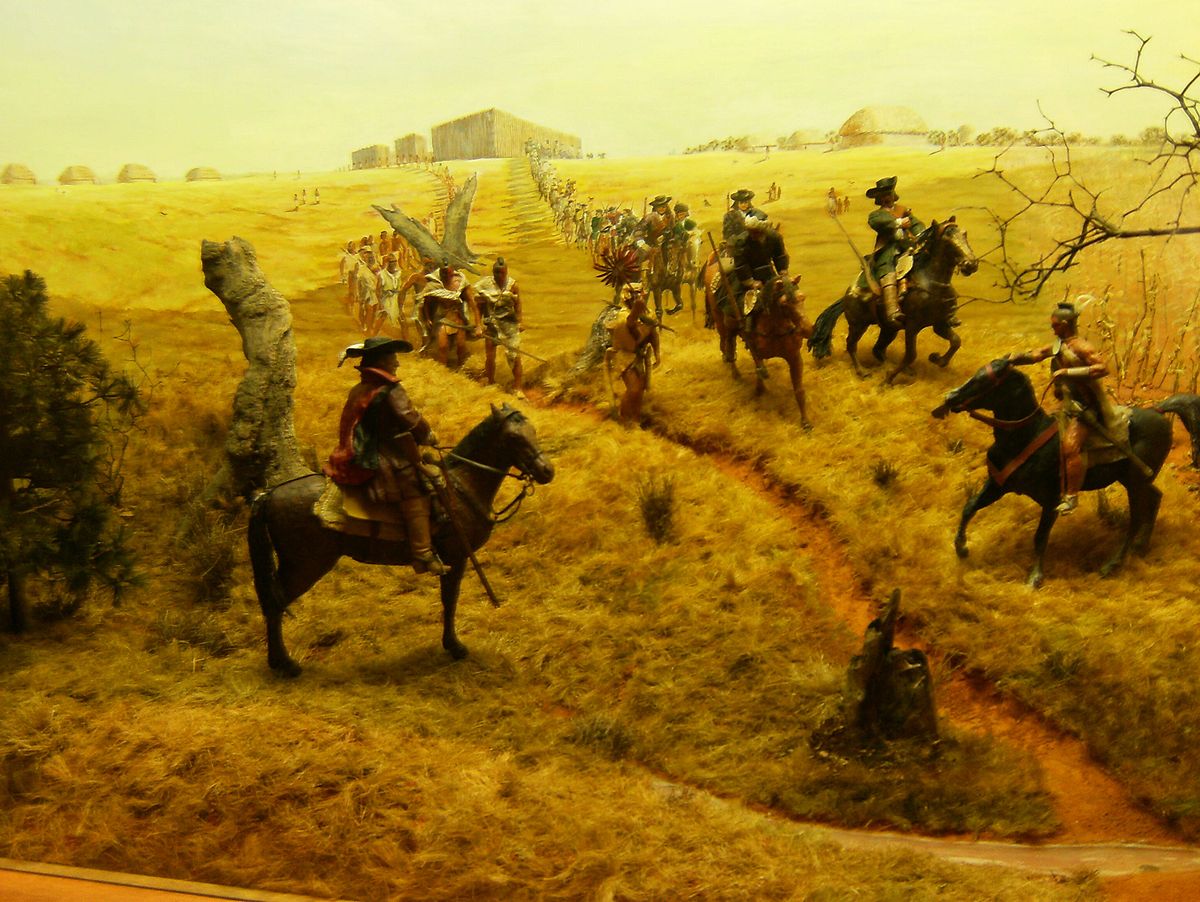
In the 1600s, Spanish missionaries from St. Augustine established missions among the Apalachee. Mission San Luis, near present-day Tallahassee, became the western anchor of Spanish Florida's mission system. At its peak, over 1,400 Apalachee lived at San Luis.
But conflict destroyed the missions. In 1704, English colonists from Carolina and their Creek allies attacked the Spanish missions. The Apalachee people were killed, enslaved, or scattered. Mission San Luis was abandoned and burned. By 1710, northwest Florida was nearly empty.
Today, Mission San Luis has been reconstructed as a living history museum, showing how the Apalachee and Spanish lived together in the 1600s.
Building Florida's Capital
Early Tallahassee was a rough frontier town. The first capitol building, a log cabin, was built in 1826. As Florida grew, so did its capital. Plantations spread across the Red Hills, growing cotton with enslaved labor. Tallahassee became the center of Florida's plantation society.
Florida became a state in 1845, and Tallahassee remained the capital. The Florida State Capitol, a beautiful building with columns and a dome, was completed in 1845 (later expanded in 1902).
The Civil War and Reconstruction
During the Civil War, Tallahassee was the only Confederate state capital east of the Mississippi River never captured by Union forces. The Battle of Natural Bridge in March 1865—fought by Confederate soldiers, old men, and teenage cadets—stopped a Union advance on Tallahassee.
After the war, Reconstruction brought political upheaval. Florida was readmitted to the Union in 1868. Tallahassee, isolated in the rural panhandle, remained a sleepy Southern town while coastal Florida grew with tourism and development.
The College Town
Tallahassee's transformation into a college town began in 1851 when the state seminary (later Florida State University) opened. In 1887, Florida established a college for Black students—Florida A&M University—making Tallahassee home to two universities.
Florida State University and Florida A&M University give Tallahassee its character. With over 50,000 students combined, these universities bring energy, diversity, and football passion to the capital.
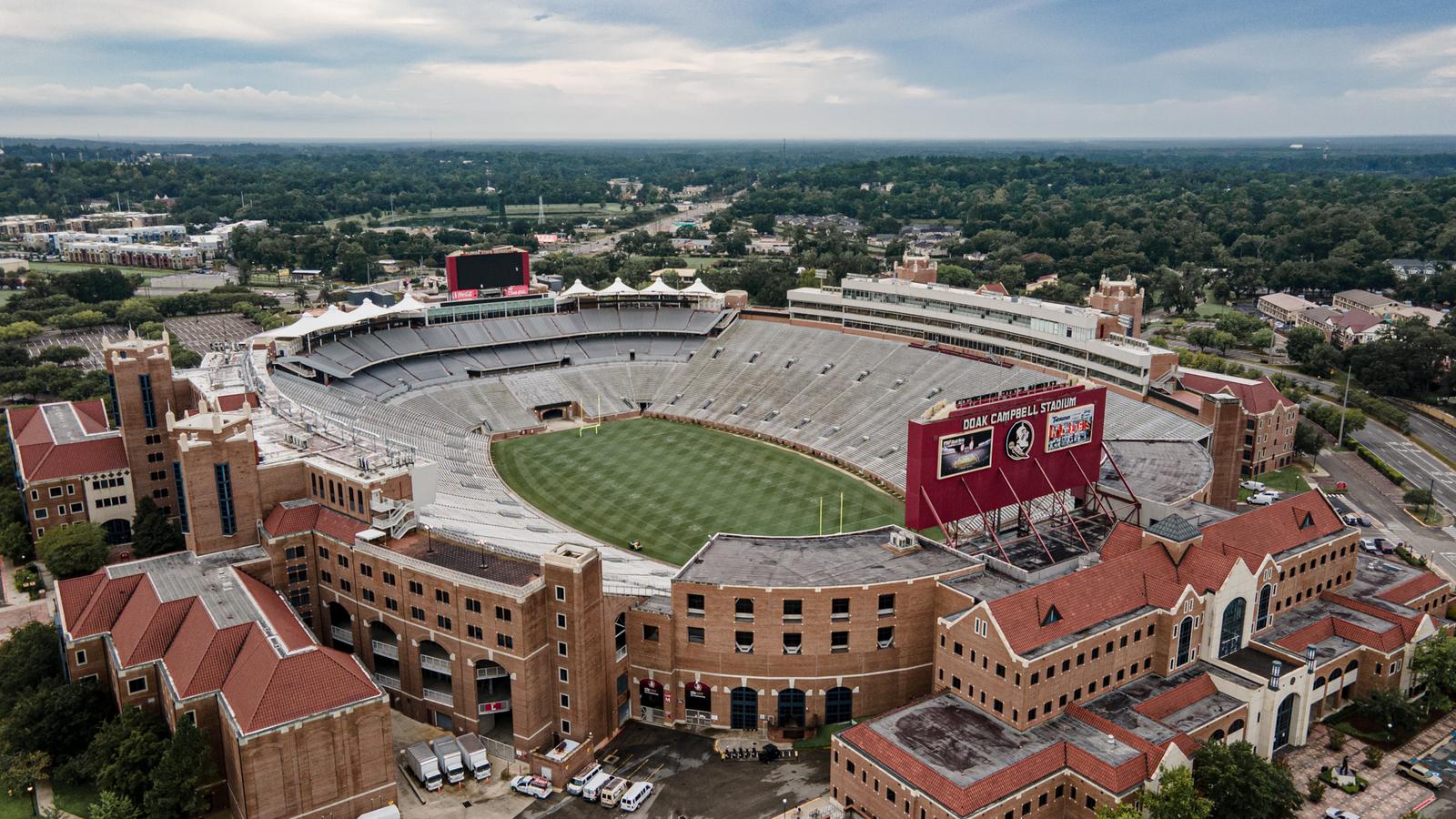
FSU's football team, the Seminoles (named with permission from the Seminole Tribe of Florida), has won multiple national championships. Game days transform Tallahassee, with 80,000 fans packing Doak Campbell Stadium.
Florida A&M, a historically Black university, is renowned for its Marching 100 band and academic programs. FAMU has produced notable alumni including journalists, scientists, and politicians.
The New Capitol and Old Capitol
By the 1970s, Florida's government had outgrown the 1845 Capitol building. Instead of demolishing it, Florida built a modern 22-story tower behind the old Capitol. Completed in 1977, the new Capitol is a tall, boxy building that dominates Tallahassee's skyline.
The old Capitol was preserved and restored to its 1902 appearance. Today it serves as a museum, with its beautiful dome and historic chambers open for tours. Standing between the old and new capitols shows Florida's past and present side by side.
Natural Florida
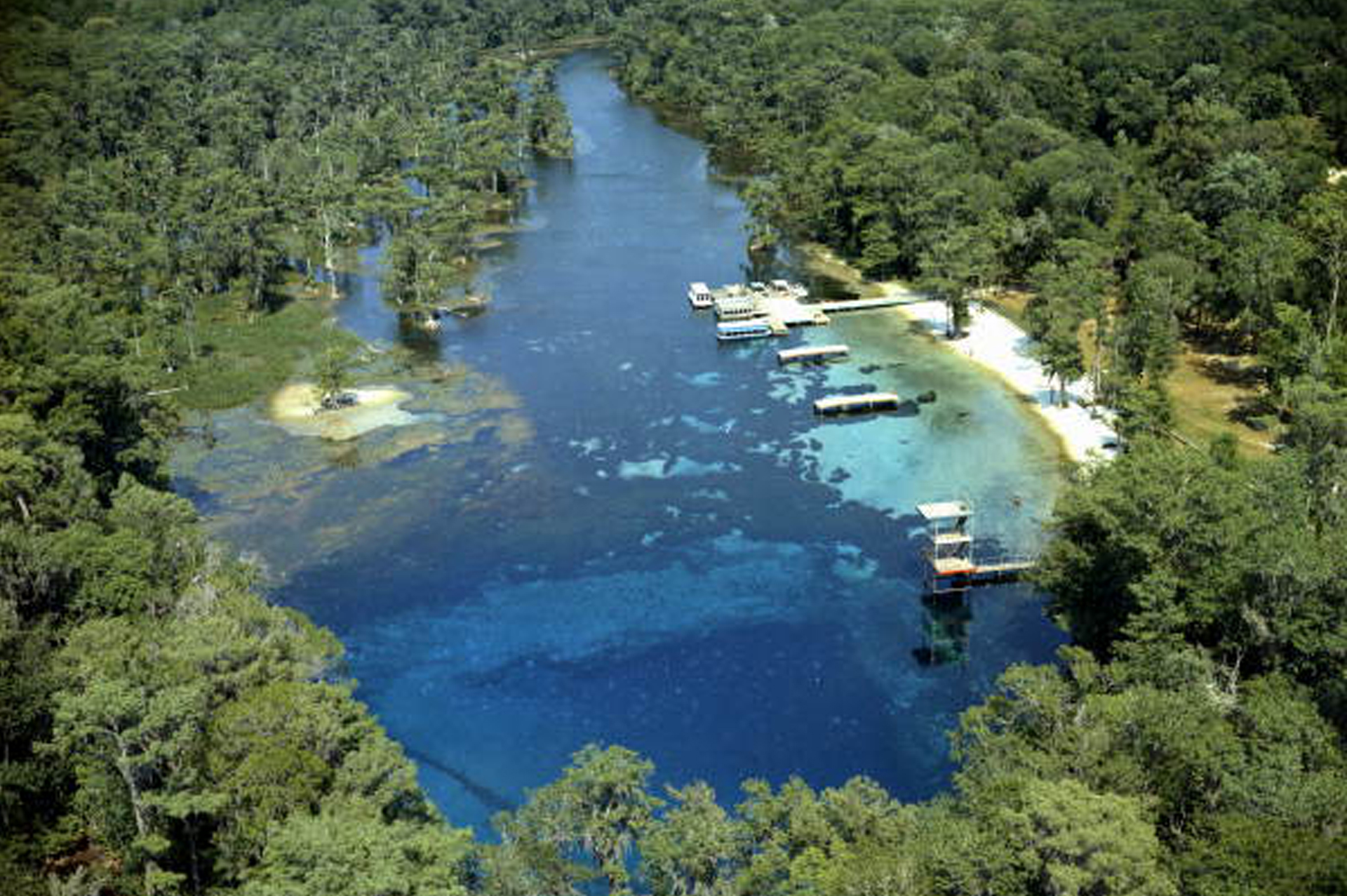
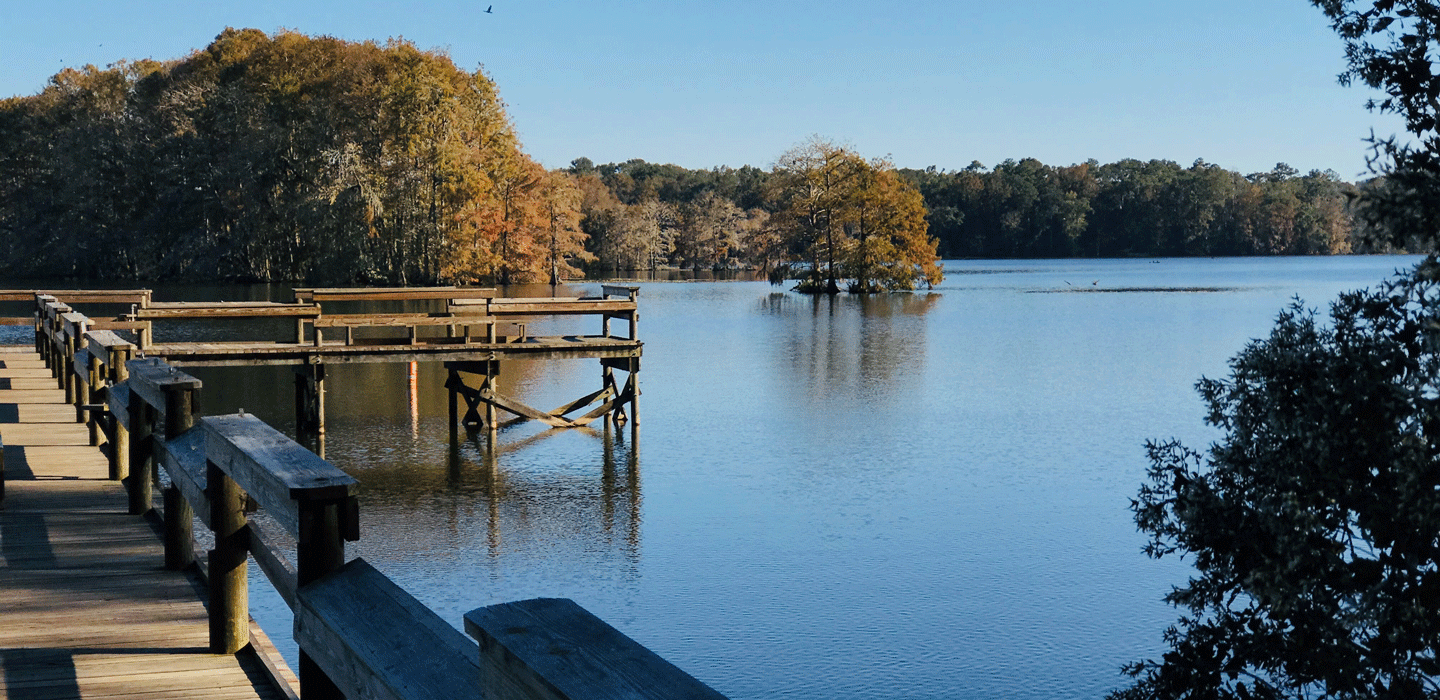
Unlike southern Florida's urban sprawl, Tallahassee retains a connection to natural Florida. Canopy roads—oak-shaded roads with trees meeting overhead—create beautiful drives. Wakulla Springs, one of the world's largest freshwater springs, is just south of town, with crystal-clear water and alligators sunning on the banks.
Tallahassee National Forest surrounds the city with pine woods and hiking trails. This isn't beach Florida or theme park Florida—it's the older, quieter Florida of forests and springs.
Modern Tallahassee
Tallahassee's economy revolves around three pillars: state government, universities, and healthcare. The city lacks major industry or tourism, giving it a more relaxed pace than Florida's larger cities.
The city has grown steadily, with suburbs spreading into the Red Hills. Yet downtown Tallahassee maintains a manageable scale—you can walk from the Capitol to restaurants and shops.
From Apalachee settlement to Spanish missions to compromise capital to college town, Tallahassee followed its own path. While the rest of Florida chased beaches and theme parks, Tallahassee kept its trees, hills, and small-town feel, proving that Florida's capital doesn't have to look like the rest of Florida.