Des Moines sits at the fork of the Raccoon and Des Moines Rivers in central Iowa, named by French explorers who called the river "Rivière des Moines"—likely meaning "river of the monks," referring to French Trappist monks who lived along its banks. This capital city in America's heartland represents the agricultural bounty and political importance of the prairie.
Fort Des Moines
Des Moines began as a military fort. In the 1830s, the U.S. government forced the Sauk and Meskwaki (Fox) peoples to cede their land in Iowa. To enforce this removal and protect the boundary between Native American and settler lands, the Army built Fort Des Moines in 1843 at the fork of the two rivers.
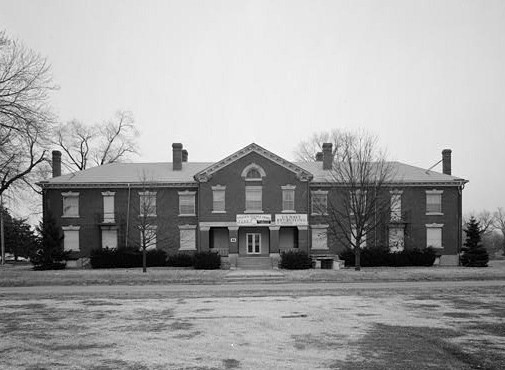
The fort was named after the Des Moines River. Soldiers manned the fort for only a few years before it was abandoned in 1846 as the frontier moved westward. But a town grew around the old fort site, keeping the name Des Moines.
Iowa Territory had been created in 1838, with its capital at Burlington in far southeastern Iowa. But as settlers poured into central and western Iowa, calls grew for a more centrally located capital.
Becoming Iowa's Capital
In 1846, Iowa became a state. The new state constitution required the capital to be relocated to a more central location within two years. After debate, the legislature chose Des Moines in 1857.
The choice made sense. Des Moines sat near Iowa's geographic center. The two rivers provided water and potential transportation. The old fort buildings could temporarily house government offices.
Des Moines had fewer than 500 residents when it became the capital. But the capital designation brought growth. A temporary wood capitol building was quickly erected. Plans began for a permanent statehouse.
The Iowa State Capitol
The Iowa State Capitol, one of America's most beautiful state capitol buildings, was completed in 1886 after 14 years of construction. The building's central dome, covered in 23-karat gold leaf and rising 275 feet, dominates Des Moines's skyline.
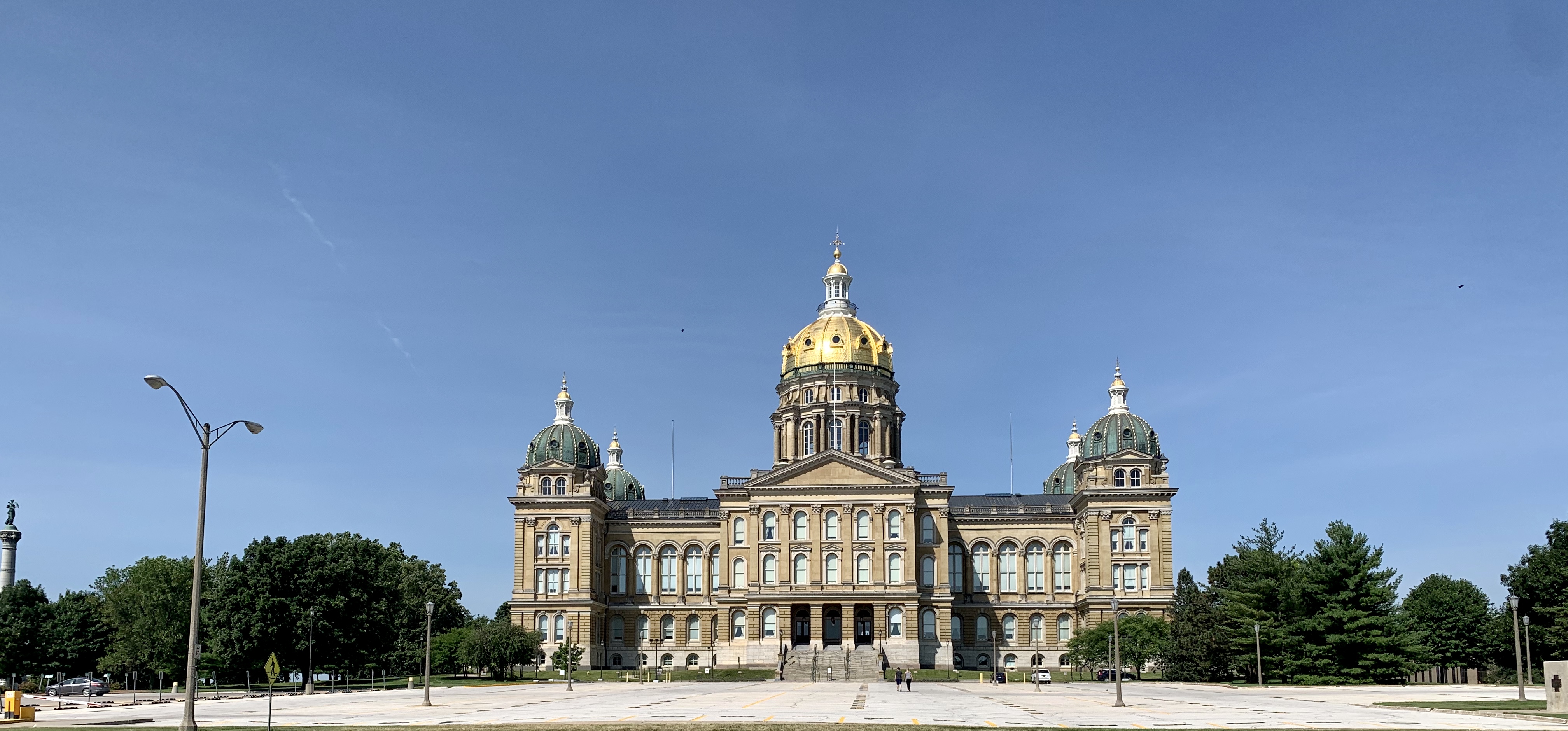
Inside, the capitol features stunning mosaics, murals, and a spiral staircase. Five domes (one central, four smaller) top the building. The design draws from several architectural styles—Italian Renaissance, Corinthian columns, French Second Empire—creating a unique and impressive structure.
The golden dome has become Iowa's symbol, representing the wealth of Iowa's agricultural bounty.
Land of Plenty
Des Moines grew as Iowa's agriculture flourished. Iowa's prairie soil, among the richest in the world, produced incredible corn and soybean harvests. Hogs thrived on corn, making Iowa the leading pork-producing state.
Des Moines became the business and political center for this agricultural empire. Farmers came to Des Moines to sell crops, buy equipment, and do business. Agricultural companies established offices. Banks financed farm operations.
The Iowa State Fair, held in Des Moines every August since 1879, celebrates Iowa agriculture. It's one of America's largest and oldest state fairs, drawing over a million visitors. The fair showcases prize livestock, enormous vegetables, butter sculptures (yes, life-size cow sculptures made entirely of butter), and every imaginable fried food.
Insurance Capital
Surprisingly, Des Moines became a major insurance center. In the late 1800s and early 1900s, numerous insurance companies—particularly life insurance—located headquarters in Des Moines. Principal Financial Group, founded in Des Moines in 1879, grew into one of America's largest financial services companies.
Why insurance in Des Moines? Iowa's stable economy, educated workforce, and central location made it attractive. The industry grew, making Des Moines an unexpected financial hub.
Presidential Politics
Every four years, Des Moines becomes the center of American politics. The Iowa Caucuses—the first major contest in the presidential primary season—bring candidates, media, and political operatives flooding into Des Moines.

The caucuses began modestly in the 1970s but gained importance over time. Now, presidential candidates spend months in Iowa, courting voters. Des Moines hotels fill with journalists. The state fairgrounds host the famous "Soapbox" where candidates give speeches.
Winning or performing well in Iowa can launch a presidential campaign. Doing poorly can end one. For a few weeks, Des Moines is the most politically important city in America.
The Bridges of Madison County
Though not in Des Moines itself, the covered bridges of nearby Madison County gained fame from Robert James Waller's 1992 novel The Bridges of Madison County and the 1995 movie starring Meryl Streep and Clint Eastwood. These 19th-century covered bridges became tourist attractions, drawing visitors to the Des Moines area.
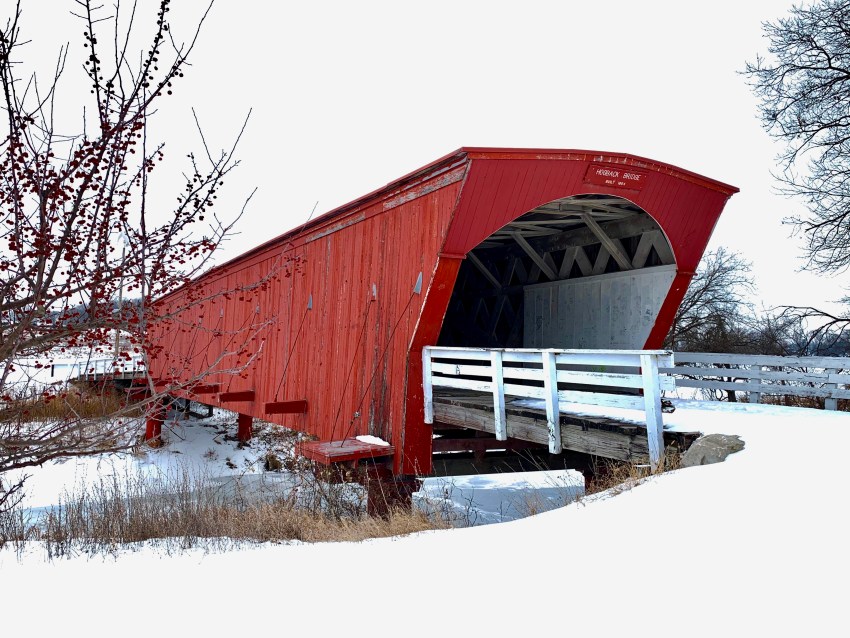
The bridges represent Iowa's rural heritage—simple, beautiful, and built to last.
Modern Des Moines
Today's Des Moines is Iowa's largest city and economic center. Beyond government, insurance, and agriculture, the city has developed sectors in healthcare, publishing, and technology.
Downtown Des Moines has been revitalized with a riverwalk, sculpture park, and modern buildings mixed with historic structures. The Greater Des Moines Botanical Garden, featuring a geodesic dome conservatory, provides green space. The Science Center of Iowa offers hands-on learning.
The city's cultural offerings include the Des Moines Symphony, Des Moines Art Center, and numerous theaters. These amenities give Des Moines a cosmopolitan feel unusual for a city its size.
Living in Des Moines offers affordable housing, good schools, and a strong job market—reasons it frequently appears on "best places to live" lists. The city has successfully balanced growth with maintaining a livable scale and Midwestern friendliness.
Challenges include typical Midwestern issues—brain drain as young people leave for larger cities, managing sprawl, and economic dependence on agriculture (vulnerable to commodity prices and climate change).
But Des Moines remains proud of its role as Iowa's capital and agricultural center. The city represents the best of heartland values—hard work, community, and stewardship of the land.
From frontier fort to state capital to insurance center to political bellwether, Des Moines embodies Iowa itself: underestimated from the outside, but solid, prosperous, and essential to America's foundation. The golden dome reminds Iowans that their prairie soil is worth its weight in gold.