Indianapolis, Indiana was planned from the beginning to be a state capital. Unlike most cities that grew naturally around rivers or harbors, Indianapolis was deliberately placed in the center of Indiana to serve as its capital. And while government remains important, Indianapolis became world-famous for something else: racing cars really, really fast.
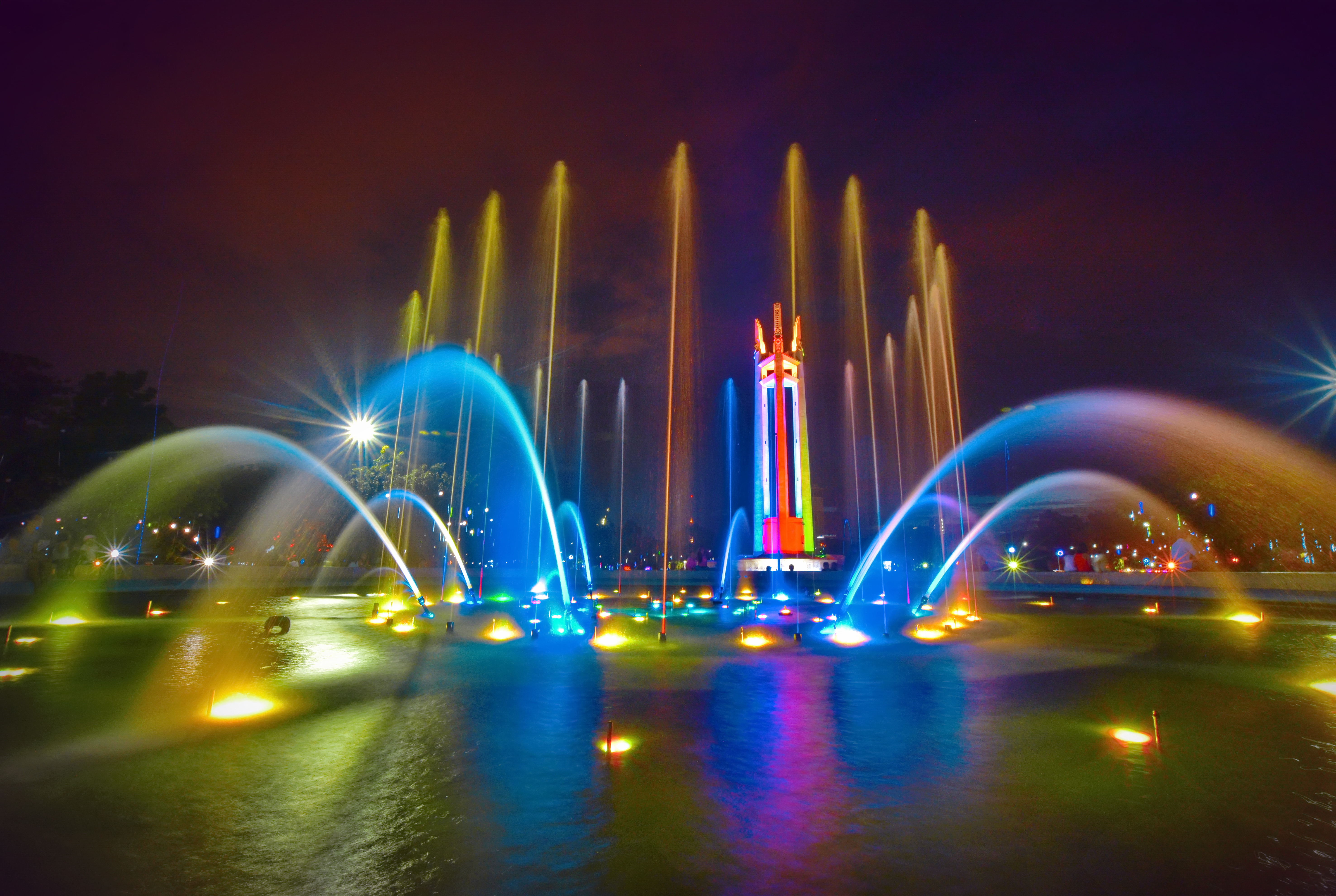
The monument features sculptures, fountains, and an observation deck at 230 feet. It's one of Indianapolis's most recognizable landmarks, appearing in countless photographs. At Christmas, the monument becomes the "Circle of Lights," covered in over 4,000 lights.
Sports Capital
Indianapolis isn't just about racing. The city aggressively pursued professional sports starting in the 1970s. The strategy worked. The Indianapolis Colts (NFL) arrived from Baltimore in 1984. The Indiana Pacers (NBA) play downtown.
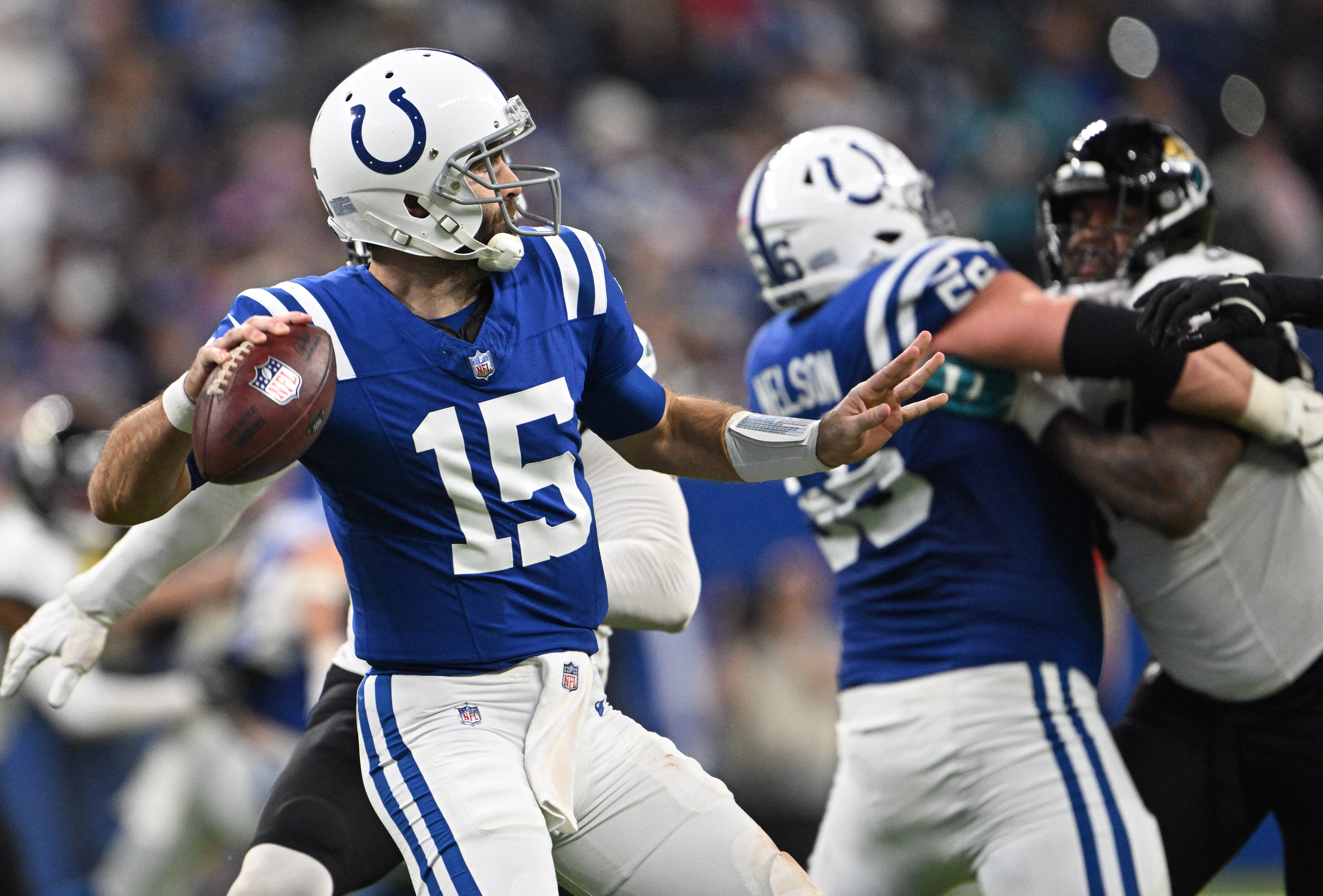
Indianapolis hosts numerous sporting events—the NCAA headquarters is here, and the city frequently hosts NCAA basketball tournaments, including multiple Final Fours. Lucas Oil Stadium, one of the NFL's best venues, opened in 2008.
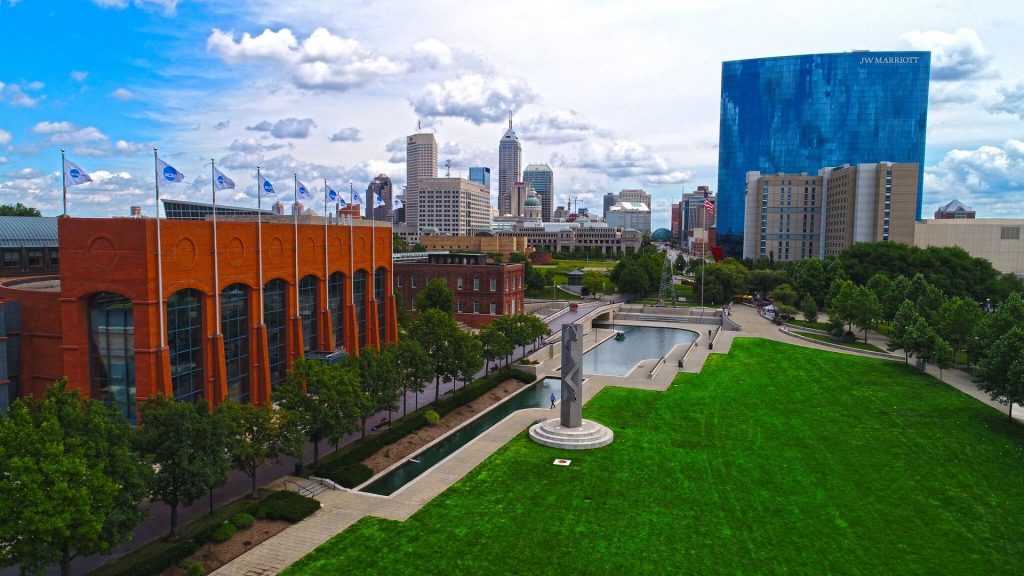
The city even built a world-class rowing course, cycling velodrome, and natatorium (swimming facility), all used for international competitions. Indianapolis styled itself as the "Amateur Sports Capital of the World."
Cultural Indianapolis
Beyond sports, Indianapolis developed cultural institutions. The Indianapolis Museum of Art (now Newfields) is one of America's oldest and largest art museums. The Indiana State Museum tells Indiana's story. The Children's Museum of Indianapolis is the world's largest children's museum.
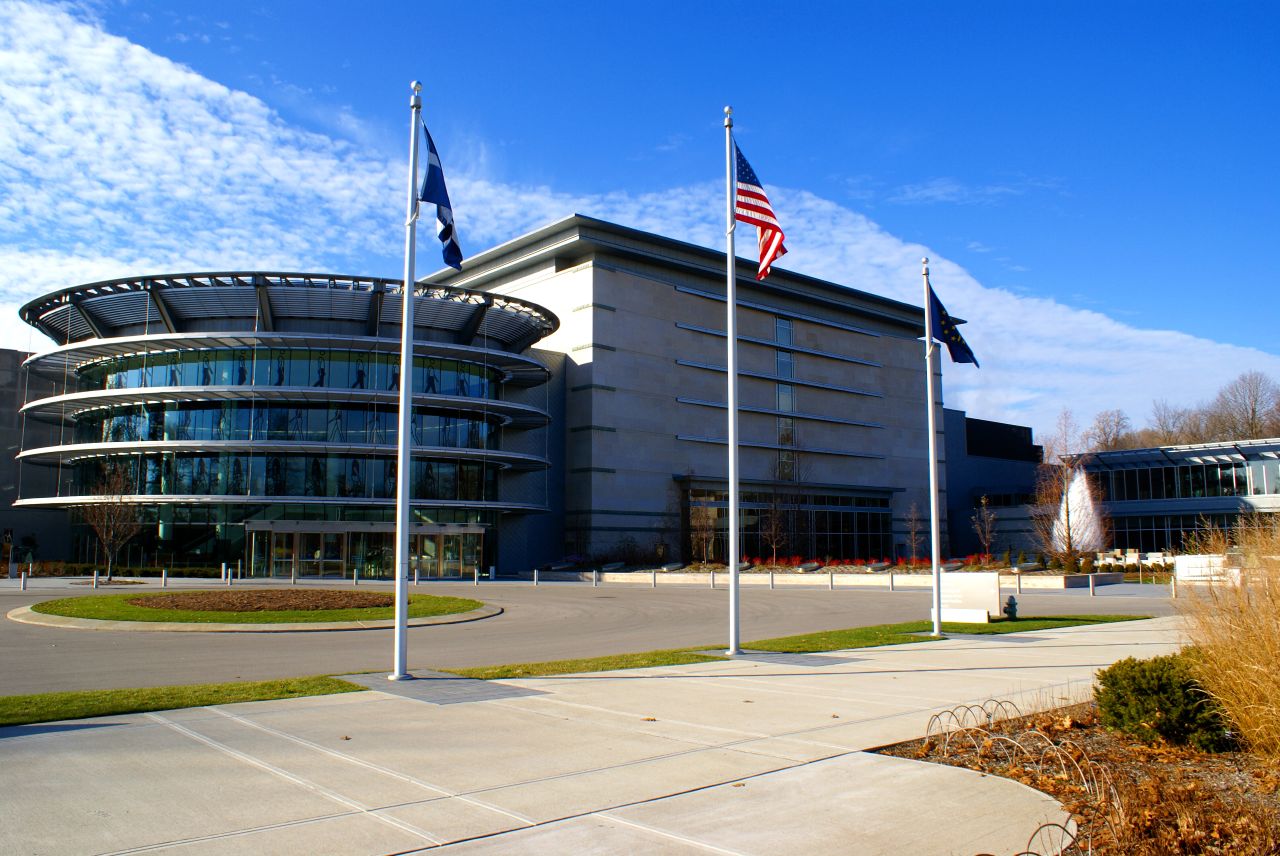
The Indianapolis Public Library's central library, housed in a beautiful 1917 building, serves as the city's intellectual heart. Butler University and Indiana University-Purdue University Indianapolis (IUPUI) provide higher education.
The Canal Walk, a 3-mile pathway along the old Indiana Central Canal, offers green space in downtown Indianapolis. The canal was originally built in the 1830s to connect Indianapolis to shipping routes but was never completed—a financial disaster at the time, but now a beautiful urban park.
Modern Indianapolis
Today's Indianapolis is Indiana's largest city and economic engine. Beyond racing and sports, the city has strong pharmaceutical, healthcare, and technology sectors. Eli Lilly and Company, one of the world's largest pharmaceutical companies, was founded in Indianapolis in 1876 and maintains its global headquarters here.
Downtown Indianapolis has been successfully revitalized, with hotels, restaurants, and apartments filling once-empty buildings. The city has worked to make downtown walkable and connected, with skywalks allowing pedestrians to avoid winter weather.
Challenges remain—like many Midwestern cities, Indianapolis faces issues with urban sprawl, income inequality, and maintaining its population base. But the city's central location, affordable living, and strong sports identity continue to attract residents and businesses.
From planned capital to railroad crossroads to racing capital to sports mecca, Indianapolis proves that a city without natural advantages like a harbor or river can thrive through strategic planning, transportation connections, and building a unique identity. And every May, the world's eyes turn to Indianapolis as 33 drivers chase glory in the Greatest Spectacle in Racing—the Indianapolis 500.