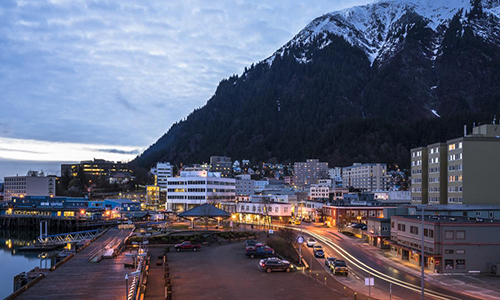
Juneau, Alaska is unlike any other state capital in America. You cannot drive there from anywhere else. No highways connect this remote city to the rest of Alaska or the United States. Surrounded by mountains, glaciers, and the sea, Juneau can only be reached by boat or plane—making it as unique as Alaska itself.
Gold in the Mountains
In October 1880, two prospectors named Joe Juneau and Richard Harris discovered gold in a creek flowing down from the mountains. The find set off Alaska's first major gold rush. Within months, a mining camp sprang up along Gastineau Channel, named Juneau City after one of the lucky prospectors.
The mountains around Juneau contained some of the richest gold deposits ever found. The Treadwell Mine, across the channel on Douglas Island, became the largest hard-rock gold mine in the world. Miners dug 360 miles of tunnels beneath the mountains and under the ocean floor. At its peak, Treadwell employed 2,000 workers. In 1917, a catastrophic cave-in flooded the mine with seawater, ending the operation overnight.
Becoming Alaska's Capital
When the United States purchased Alaska from Russia in 1867, the capital was Sitka, the old Russian colonial center. As gold brought growth to Juneau, Alaskans voted in 1900 to move the capital to this booming mining town. It took six more years to actually move government offices, but Juneau has remained Alaska's capital ever since.
In 1959, when Alaska became the 49th state, there was discussion about building a new capital city accessible by road. Alaskans voted several times on moving the capital to Anchorage or building a new capital city near Willow. Every time, they decided to keep the capital in beautiful, isolated Juneau.
A Capital Without Roads
Juneau's isolation makes it extraordinary. Mountains rise steeply from the water's edge—Mount Roberts and Mount Juneau soar more than 3,500 feet straight up from downtown. The Juneau Icefield, with 38 large glaciers, begins just behind the city. This dramatic geography makes road construction nearly impossible.
The Alaska State Capitol, built in 1931, reflects this practicality. Unlike most state capitols with grand domes and columns, Alaska's capitol is a modest brick building that looks more like an office building. When it was built, Alaska was still a territory, and the building housed federal offices. It's efficient, warm, and built to last through harsh Alaskan winters.
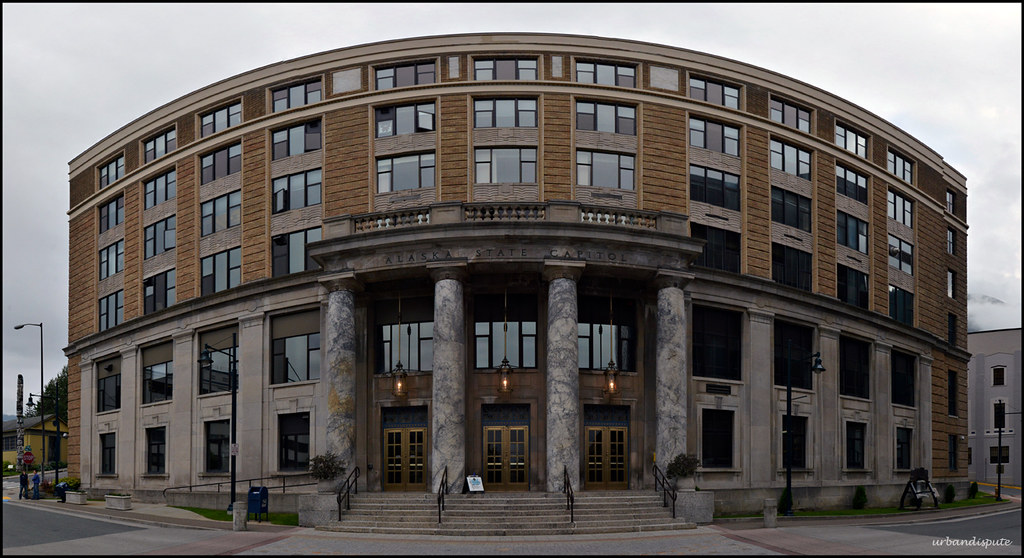
Alaska's practical State Capitol building
Land of Ice and Eagles
The Mendenhall Glacier flows down from the icefield to within 12 miles of downtown Juneau. This massive river of ice, nearly two miles wide, attracts visitors who can watch it calve icebergs into Mendenhall Lake. The glacier has been slowly retreating due to climate change, losing more than two miles of length since the 1700s.
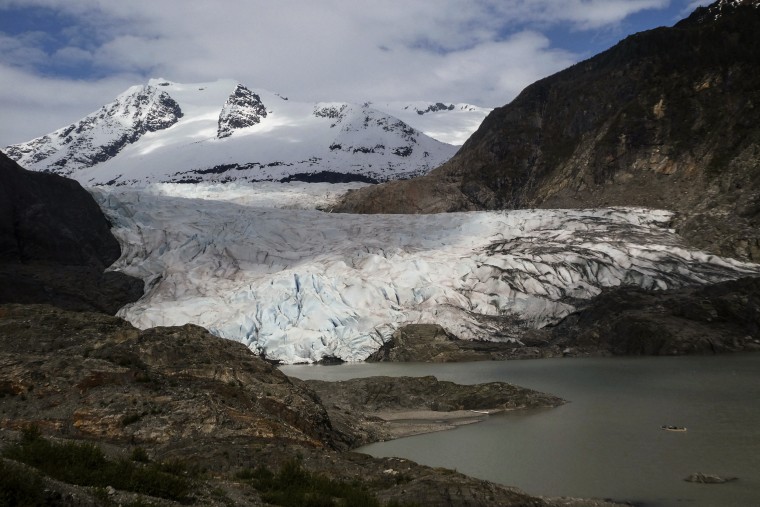
Mendenhall Glacier, a massive river of ice near Juneau
Juneau is one of the best places in America to see bald eagles. Hundreds of eagles gather here, especially in fall when salmon run up local rivers. The majestic birds perch in trees along the waterfront, dive for fish, and soar above the mountains.
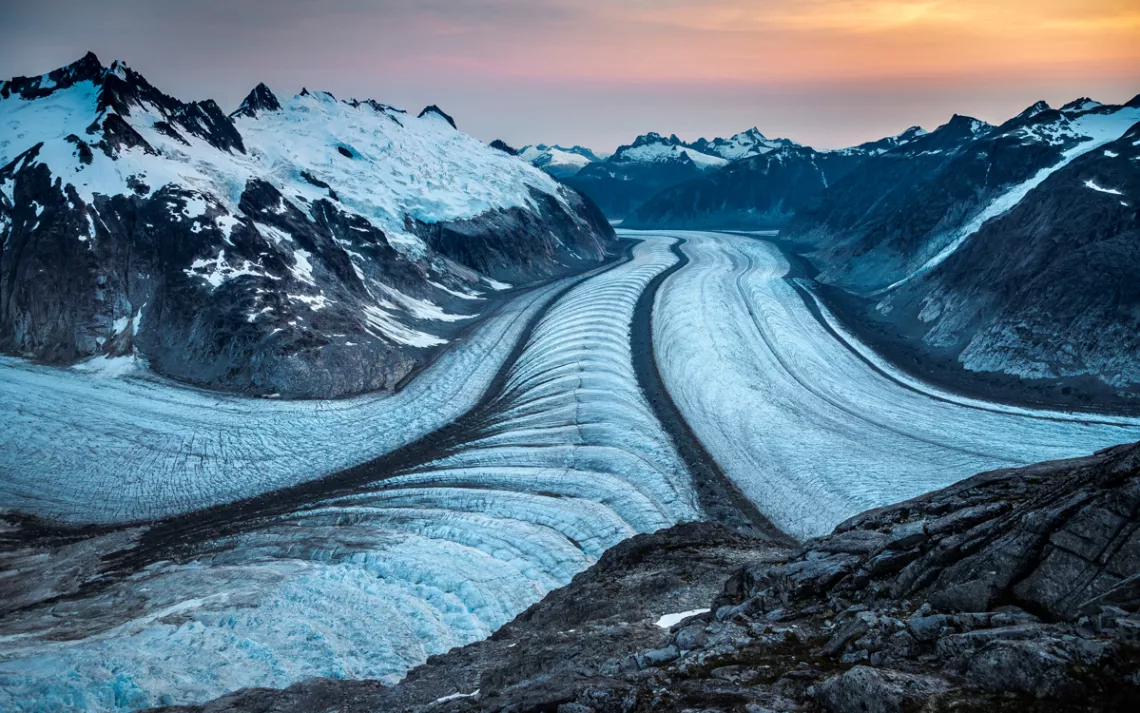
Bald eagles thrive in Juneau's rich ecosystem
Living on Alaska Time
Life in Juneau moves to Alaska's rhythm, not the Lower 48's schedule. When the Alaska State Legislature is in session from January through April, lawmakers and staff fly in from all over the state. The governor and other officials live here year-round, but many legislators maintain homes in their districts hundreds of miles away.
Juneau has no traffic jams and only about 30 miles of road total. People walk, bike, or take a short drive to work. The isolation creates a tight-knit community where everyone seems to know everyone. Summer brings cruise ships and tourists, but winter belongs to locals, who embrace the long dark nights and heavy snowfall.
From gold rush boomtown to landlocked capital, Juneau proves that you don't need highways and easy access to be important. Sometimes the most remote places are the most remarkable.