Sacramento, California owes its existence to a single event: the discovery of gold at Sutter's Mill in 1848. This moment transformed California from a sleepy Mexican territory into America's El Dorado, and Sacramento from a riverside fort into the capital of the Golden State.
Sutter's Dream
The story begins with John Sutter, a Swiss immigrant who arrived in California in 1839. Mexican authorities granted him 50,000 acres in the Sacramento Valley, where he built Sutter's Fort—a self-sufficient settlement with workshops, farms, and a small army. Sutter dreamed of building an agricultural empire far from the small coastal settlements.

Sutter's Fort sat where the American River meets the Sacramento River. This location would prove both fortunate and tragic. In January 1848, Sutter's carpenter, James Marshall, was building a sawmill in the foothills about 50 miles away. On January 24, Marshall spotted something shiny in the mill race: gold.
The Gold Rush Explodes
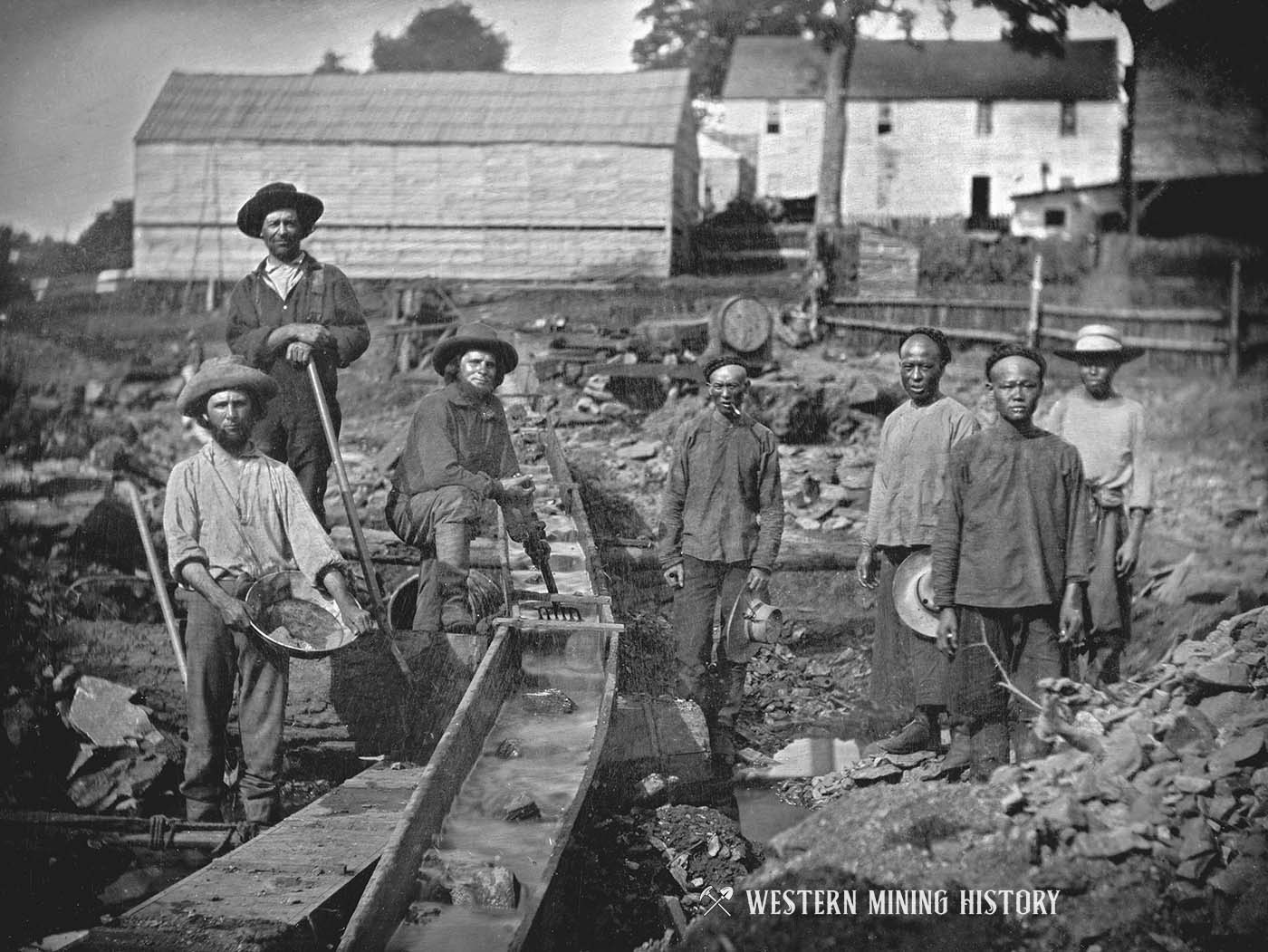
Sutter tried to keep the discovery secret, knowing gold seekers would destroy his agricultural paradise. But word leaked out. By summer 1848, California's existing population had abandoned farms, shops, and ships to rush to the gold fields. By 1849, people from around the world—the famous forty-niners—were pouring into California.
Ships arrived daily in San Francisco Bay, their crews deserting to seek gold. Passengers traveled up the Sacramento River to the embarcadero, a riverside landing near Sutter's Fort. Within months, a tent city sprang up. In December 1848, this settlement was named Sacramento.
Sutter's Fort became a supply center for miners heading into the Sierra Nevada foothills. Merchants made fortunes selling picks, shovels, flour, and supplies at inflated prices. One merchant, Samuel Brannan, became California's first millionaire not by mining but by selling supplies to miners.
Boom, Bust, and Disaster
Sacramento exploded from a few hundred people in 1848 to over 10,000 by 1850. California's population surged so fast that it skipped the territorial stage and became a state in 1850. Sacramento competed with other cities to become the capital. After the capital bounced between San Jose, Vallejo, and Benicia, lawmakers chose Sacramento in 1854.
But Sacramento faced terrible challenges. In 1850, cholera killed hundreds. Fires repeatedly destroyed the wooden city—major blazes in 1852, 1853, and 1854 leveled large portions of downtown. Most devastatingly, floods struck almost every year.
The Sacramento River proved both blessing and curse. Winter rains in the Sierra Nevada sent torrents down the American and Sacramento Rivers, flooding the low-lying city. The great flood of 1861-1862 turned Sacramento into a lake for months. Legislators paddled rowboats to reach the Capitol building.
Citizens finally took drastic action. Over the next decade, Sacramento literally raised itself 10 to 15 feet. Buildings were jacked up on supports while workers filled in underneath with dirt. Some first floors became basements. Underground Sacramento, with its network of old sidewalks and storefronts, still exists beneath the modern city.
Transcontinental Railroad
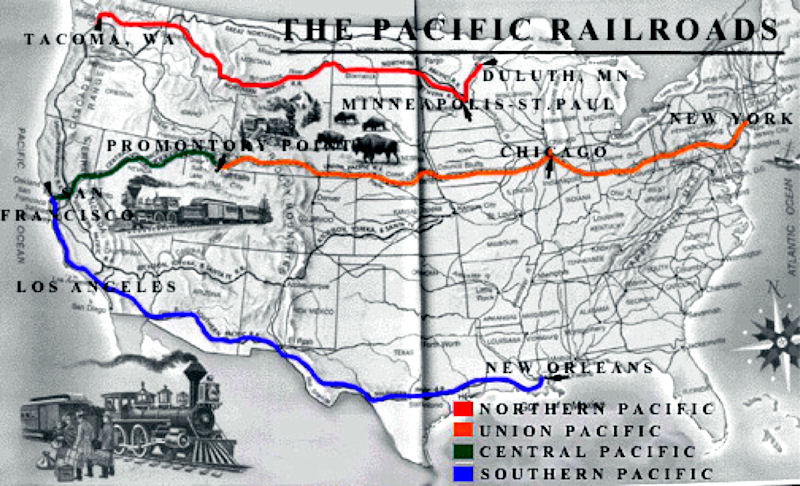
Sacramento's next transformation came with the railroad. In 1863, the Central Pacific Railroad began laying track eastward from Sacramento, part of America's first transcontinental railroad. Four Sacramento merchants—Leland Stanford, Collis Huntington, Mark Hopkins, and Charles Crocker—the Big Four—financed and built the railroad.
Chinese immigrant workers performed the most dangerous work, blasting tunnels through the Sierra Nevada's granite peaks. On May 10, 1869, the Central Pacific met the Union Pacific in Utah. Sacramento became the western terminus of America's transcontinental railroad, cementing its importance as California's capital.
Farm to Fork Capital
The Gold Rush faded, but Sacramento thrived. The rich soil of the Sacramento Valley produced abundant crops—wheat, fruit, vegetables, rice. Irrigation transformed the valley into one of America's most productive agricultural regions. Sacramento became the shipping point for California's farms, earning the nickname Farm to Fork Capital.

Today, Sacramento is California's sixth-largest city. The State Capitol, completed in 1874, stands in a beautiful park in downtown. Its white dome, modeled after the U.S. Capitol, houses California's legislature. Inside, restored Victorian offices look much as they did in the 1870s.
Modern Sacramento balances its role as state capital with its agricultural heritage and growing technology sector. The city that began as a gold rush boomtown now governs the most populous state in America, proving that sometimes gold isn't just what you dig from the ground—it's what you build on top of it.