Springfield, Illinois is forever linked to Abraham Lincoln, America's 16th president. Lincoln lived in Springfield for 24 years before becoming president, practicing law, serving in the legislature, and transforming from frontier lawyer to national leader. Visiting Springfield means walking in Lincoln's footsteps.
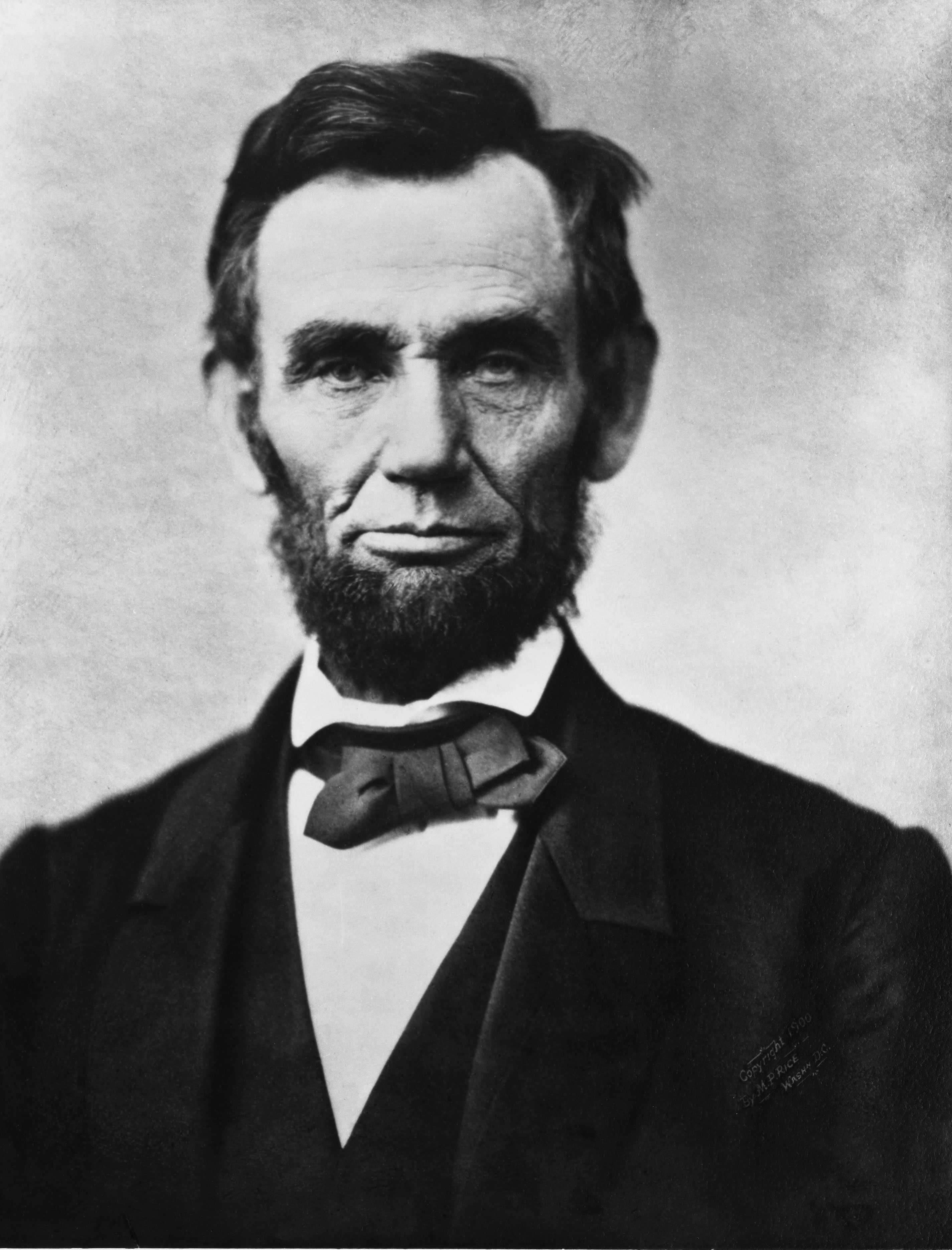
Settling the Sangamon Valley
Springfield began in the late 1810s when settlers arrived in the Sangamon River valley of central Illinois. The area offered rich prairie soil, timber along creeks, and water from the Sangamon River. Elijah Iles built a cabin in 1819, making him Springfield's first settler.
The town was named Springfield—a common name meaning a spring in a field. Several springs provided water for the early settlement. The town grew slowly, serving farmers settling the surrounding prairie.
Illinois became a state in 1818, with its capital at Kaskaskia in far southern Illinois. As settlement pushed north, calls grew for a more central capital.
Becoming Illinois's Capital
In 1837, a group of Illinois legislators known as the "Long Nine" (they were all over six feet tall, unusual for the time) campaigned to move Illinois's capital to Springfield. The leader was a young representative named Abraham Lincoln.
Lincoln and his colleagues convinced the legislature that Springfield's central location was perfect. They promised Springfield would donate land for the new capitol and build a suitable building. The legislature voted yes. Springfield became Illinois's capital, and construction began on a Greek Revival capitol building.
The capital designation transformed Springfield from a frontier town into Illinois's political center. State employees, legislators, lawyers, and lobbyists moved to Springfield. The town boomed.
Lincoln Arrives
Abraham Lincoln moved to Springfield in 1837, the same year it became the capital. The 28-year-old lawyer and former legislator hung out his shingle: "Lincoln & Stuart, Attorneys at Law."
Lincoln lived in Springfield for 24 years. He married Mary Todd in Springfield in 1842. They raised four sons in their house at Eighth and Jackson Streets (now preserved as Lincoln Home National Historic Site). Lincoln practiced law, riding the judicial circuit across central Illinois.
Lincoln served one term in Congress (1847-1849), then returned to Springfield and his law practice. He seemed destined for respected but modest success as a small-city lawyer and politician.
Then slavery tore America apart. Lincoln couldn't stay silent. His debates with Stephen Douglas in 1858 made him nationally known, though he lost that Senate race. In 1860, the Republican Party nominated Lincoln for president. He won.
The Farewell Address
On February 11, 1861, Lincoln stood on the rear platform of a train at Springfield's Great Western Railroad depot. He was leaving for Washington to become president. Seven Southern states had already seceded. Civil War loomed.
Lincoln gave an emotional farewell to his Springfield neighbors: "My friends—No one, not in my situation, can appreciate my feeling of sadness at this parting. To this place, and the kindness of these people, I owe everything. Here I have lived a quarter of a century, and have passed from a young to an old man."
Lincoln never returned to Springfield alive. On May 3, 1865, two weeks after his assassination, a funeral train brought his body home. Springfield gave Lincoln a magnificent funeral, and he was buried in Oak Ridge Cemetery.
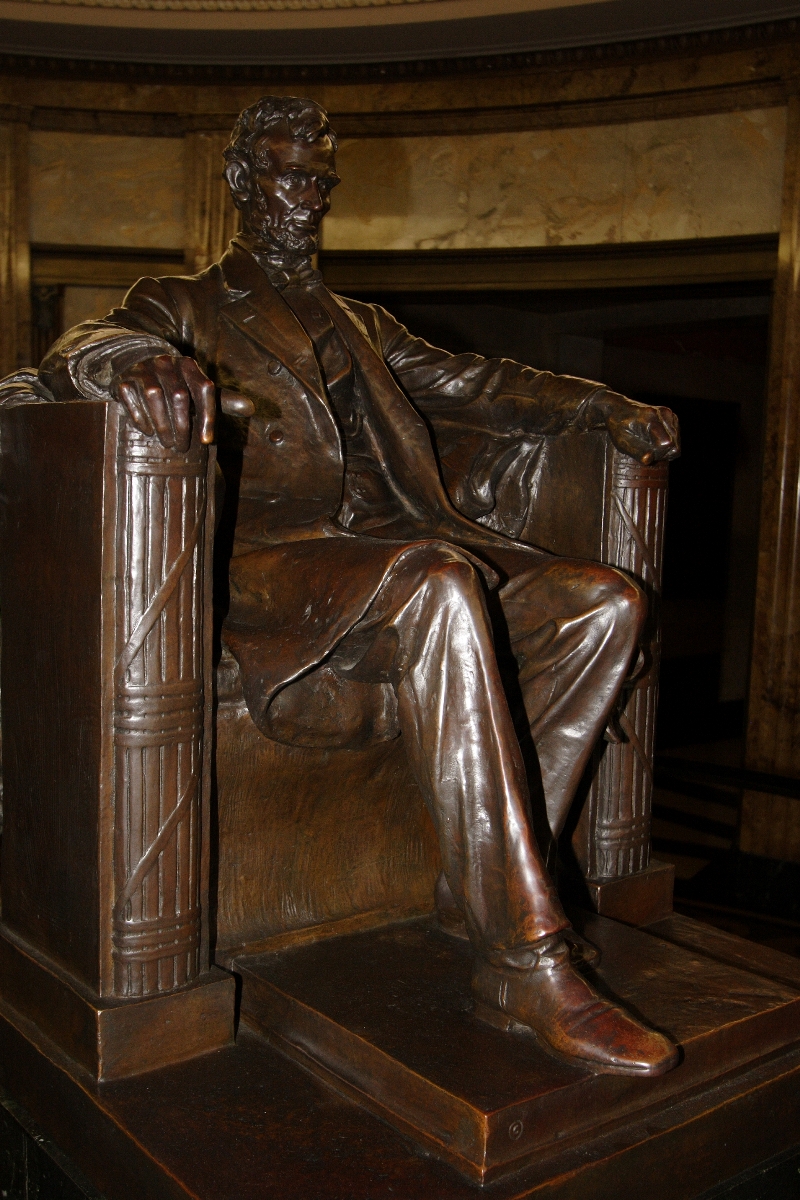
Visitors touch Lincoln's nose on a bronze bust outside the tomb for good luck, keeping it perpetually shiny. The tomb receives over 500,000 visitors annually.
The New State Capitol
Illinois outgrew its 1837 Capitol building. Construction began on a massive new Capitol in 1868. The building took 20 years to complete, finishing in 1888. The Illinois State Capitol features a tall dome, elaborate architecture, and beautiful interiors.
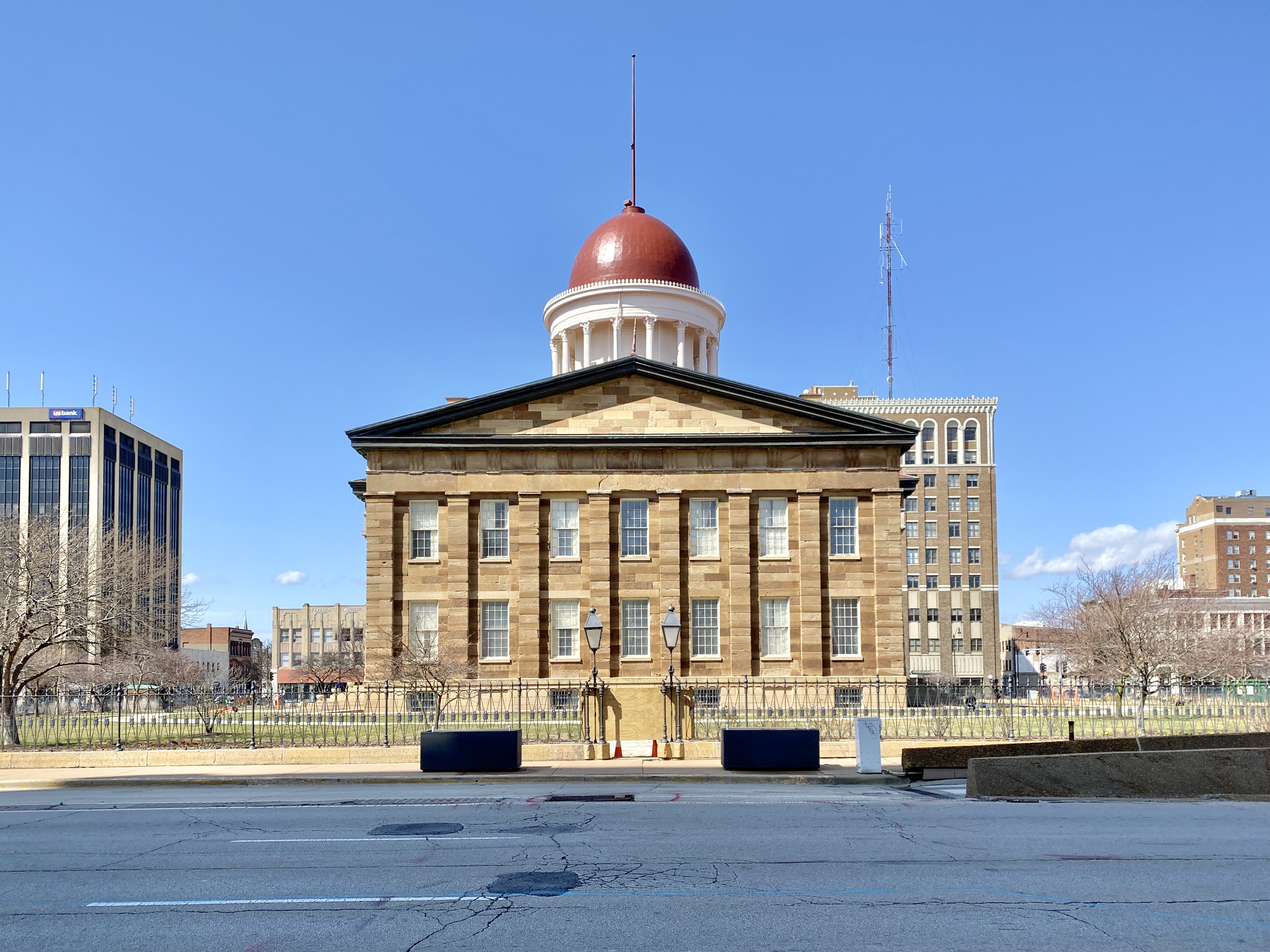
The old Capitol building was preserved and restored to its Lincoln-era appearance. It's now a historic site where visitors can see where Lincoln debated Douglas and gave his famous "House Divided" speech in 1858.
Route 66
Springfield gained new fame in the 20th century as a Route 66 town. The famous highway, built in 1926, ran straight through downtown Springfield. Motels, diners, and gas stations catered to cross-country travelers.
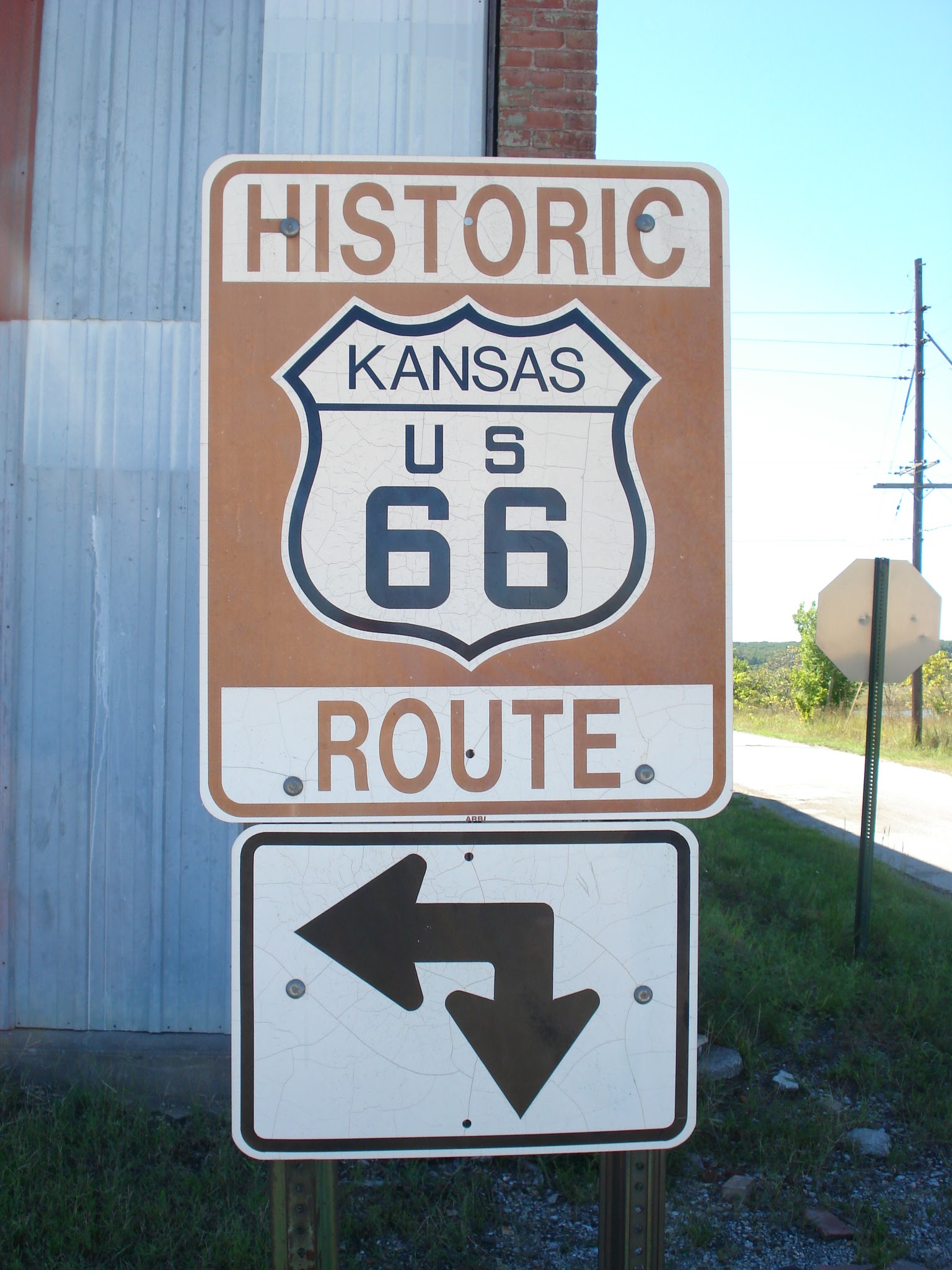
Though Interstate 55 replaced Route 66 for most traffic, Springfield celebrates its Route 66 heritage. The Cozy Dog Drive In claims to have invented the corn dog in 1946. Route 66 nostalgia tourism brings visitors seeking vintage Americana.
More Than Lincoln
Springfield has worked to be more than just "Lincoln's town," though that's impossible. The Illinois State Museum, Dana-Thomas House (a Frank Lloyd Wright masterpiece), and thriving downtown offer attractions beyond Lincoln sites.
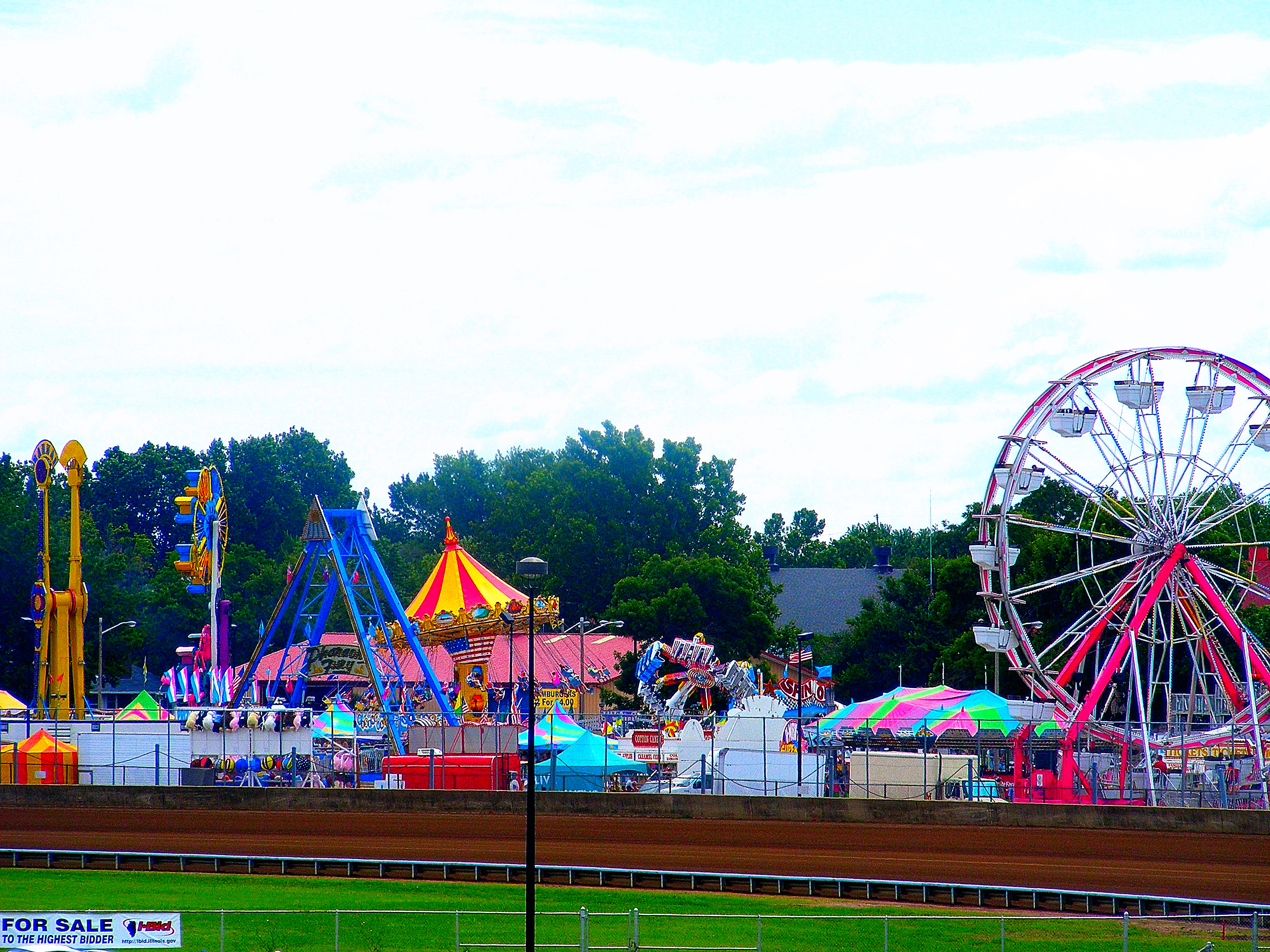
The Illinois State Fair, held in Springfield every August since 1853, draws hundreds of thousands of visitors for agriculture exhibits, carnival rides, and corn dogs. It's one of America's largest state fairs.
Modern Springfield
Springfield's economy centers on state government, healthcare (two major hospitals), and Lincoln tourism. Unlike Chicago, three hours north, Springfield maintains a small-city feel.
The city has faced typical Midwestern challenges—population decline, aging infrastructure, political corruption scandals. But Springfield's Lincoln connection ensures a steady stream of history-loving tourists and its capital status provides stable government employment.
From frontier settlement to state capital to Lincoln's home, Springfield's identity is inseparable from America's greatest president. Lincoln left Springfield as a small-town lawyer and returned as a martyred hero. Springfield keeps his memory alive, preserving the places where the Railsplitter became president.