II · THE DISCOVERY · HISTORY OF SCIENCE
Sewing machine
Before the sewing machine, every stitch in every garment was made by hand. A machine that could replicate that motion changed how clothes were made, and how quickly.
At a glance
- Inventor
- Thomas Saint, an Englishman
- Date
- 1790
- Material
- Steel
- Purpose
- To mechanise the sewing of fabric and materials together with thread
Look closer
The mechanism replicated hand motion
A sewing machine automates what a person does with needle and thread: it pushes thread through fabric and loops it to form a stitch. The machine holds the fabric, moves the needle, and feeds the thread, so the operator guides the material rather than making each stitch individually. Early machines required the operator to turn a handle or work a foot pedal to keep the mechanism moving.
Domestic and industrial machines serve different needs
A home sewing machine is designed for one person working on individual items, using a single type of stitch at a time. Industrial machines are larger and faster, and vary widely in what they are built to do — different tasks require different mechanisms. The distinction reflects two contexts: making or mending a garment at home, and producing clothing in quantity in a factory.
Power sources changed over time
The earliest sewing machines were powered by the operator: either by constantly turning a flywheel handle, or by pressing a foot-operated treadle — a lever that rocks back and forth and turns the mechanism through that motion. Electrically powered machines came later, removing the need for continuous manual effort and allowing the operator to focus entirely on guiding the fabric.
The story
A sewing machine is a machine that stitches fabric and materials together with thread. The task it performs — joining pieces of cloth — had been done entirely by hand until the Industrial Revolution, when inventors began designing machines to replicate the motion of a needle and thread.
Thomas Saint is credited with inventing the sewing machine in 1790. The machine was made of steel, and it automated a process that had required a person to push a needle through fabric, pull thread after it, and repeat the action for every stitch. What the machine did was hold the fabric, move the needle, and manage the thread, so that stitches formed without the operator making each one individually.
The principle behind the sewing machine is mechanisation of a repetitive manual task. In hand sewing, the needle passes through the fabric and the thread is pulled tight by hand. A sewing machine replicates this by using a needle attached to a moving arm, fed with thread from a spool, and a mechanism that holds the fabric in place and moves it forward after each stitch. The operator guides the fabric, but the machine makes the stitches.
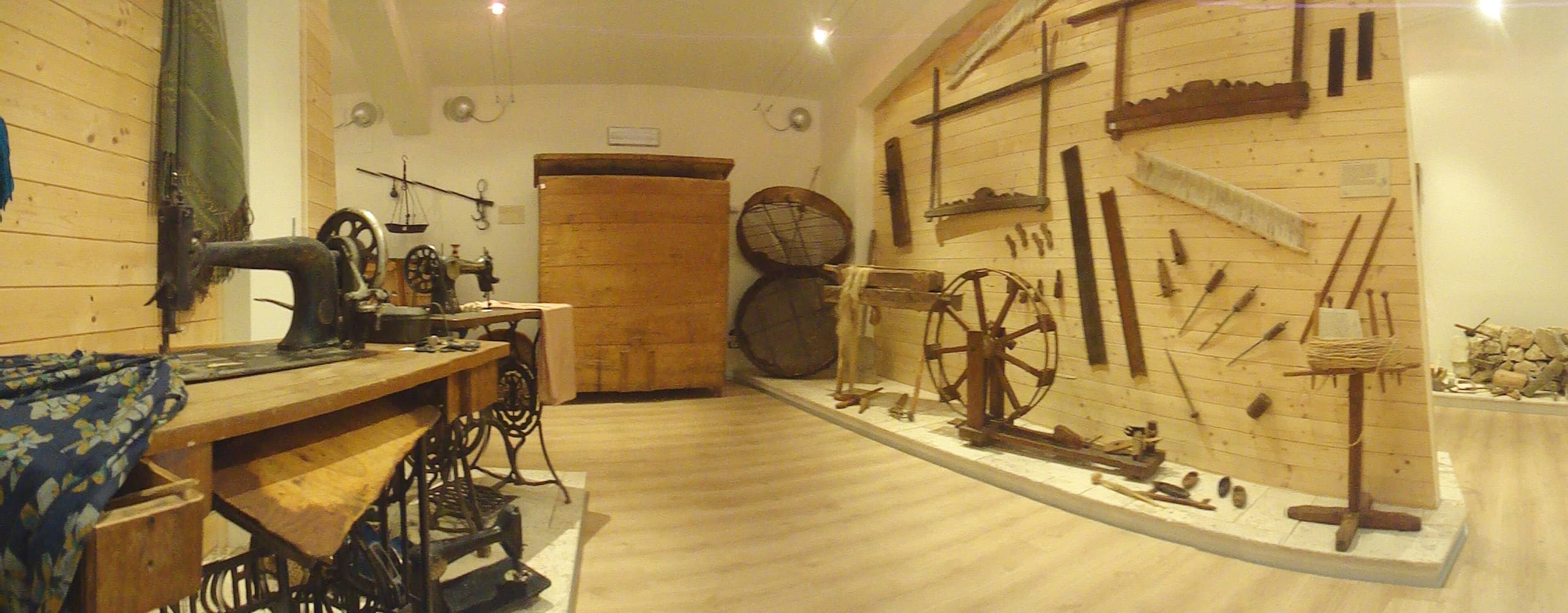
Early sewing machines required the operator to provide power. One method was a flywheel handle that had to be turned constantly to keep the mechanism moving. Another was a treadle — a foot-operated lever that rocked back and forth, turning the machine through the motion of the operator's foot pressing down and releasing. This left the operator's hands free to guide the fabric, but still required continuous physical effort. Electrically powered machines were introduced later, removing that requirement.
Sewing machines are built for different contexts. A home sewing machine is designed for one person to sew individual items, using a single stitch type at a time. The fabric glides in and out of the machine as the operator guides it. Industrial sewing machines, by contrast, are larger and faster, and vary in size, cost, appearance, and what they are built to do. The difference reflects the distinction between making or mending a garment at home and producing clothing in quantity.
The sewing machine was invented during the Industrial Revolution, a period when manual labour in many industries was being replaced or supplemented by machines. In clothing companies, the amount of manual sewing work decreased as machines took over tasks that had previously required a person to make every stitch by hand. The machine improved the efficiency and productivity of the clothing industry, making it possible to produce garments more quickly and in greater numbers.
Why it mattered then
Before the sewing machine, every stitch in every piece of clothing was made by hand. A person sewing a garment would push a needle through fabric, pull the thread tight, and repeat the action hundreds or thousands of times. The process was slow, and the amount of clothing that could be produced was limited by how many people were available to sew and how fast they could work. The sewing machine changed that by mechanising the task. A machine could make stitches faster than a person working by hand, and it could do so for as long as the operator kept it running. In clothing companies, this meant that garments could be produced in greater numbers and more quickly than before. The machine did not eliminate the need for a person — someone still had to guide the fabric and operate the mechanism — but it reduced the time and effort required for each item. The invention came during the Industrial Revolution, when manual labour in many industries was being replaced or supplemented by machines. The sewing machine was part of that broader shift, and its effect was felt in the clothing industry, where the amount of manual sewing work performed in factories decreased as machines were introduced.
Why it matters now
Sewing machines remain in use in both domestic and industrial settings. At home, people use sewing machines to make or mend clothing and other fabric items, with the machine handling the stitching while the operator guides the material. In factories, industrial sewing machines produce clothing in quantity, with different machines designed for different tasks — some sew seams, others attach buttons or hems, and so on. The principle established by the sewing machine — that a repetitive manual task can be mechanised, with a person guiding the process rather than performing every action by hand — applies beyond sewing. The machine demonstrated that automation could increase productivity without removing the need for human skill and judgement, a balance that remains relevant in manufacturing today. Electrically powered sewing machines, which replaced the need for an operator to turn a handle or work a treadle, are now standard in both home and industrial use. The shift from manual to electric power made the machines easier to operate and allowed the operator to focus entirely on guiding the fabric, rather than dividing attention between that task and keeping the mechanism moving.
The surprising detail
The sewing machine is credited to Thomas Saint in 1790, but the path from that invention to reliable, widely used machines took decades. The principle — mechanising the motion of needle and thread — was established early, but building a machine that could do the work consistently, without breaking thread or jamming, required refinement. The machines that eventually became common in factories and homes were the result of multiple inventors working on the problem, improving the mechanism and making it practical for different uses.
What is disputed
The facts credit Thomas Saint with the invention in 1790, but the lesson notes that the path from that invention to reliable, widely used machines involved multiple inventors. The credit to Saint reflects what is recorded, not a claim that his design was immediately practical or that others did not contribute to making the sewing machine a working tool.
Remember this
The sewing machine mechanised a task that had been entirely manual, making it possible to produce stitches faster and in greater quantity than a person working by hand could manage.
Test yourself
Early sewing machines were powered by a handle or a foot treadle. Why did electrically powered machines change how the operator worked, beyond simply removing physical effort?
With a handle or treadle, the operator had to divide their attention between keeping the mechanism moving — turning the handle or pressing the pedal — and guiding the fabric. An electric motor took over the first task entirely, so the operator could focus only on guiding the material. This made the work simpler and allowed for more precise control of where the stitches went, because the operator's hands and attention were no longer split between two tasks.
Go deeper
Image: Vanniled, CC BY-SA 4.0. Licence: CC BY-SA 4.0. Source.