II · THE DISCOVERY · HISTORY OF SCIENCE
Web browser
A web browser fetches files from a server and renders them on your screen. That two-step process — retrieve, then display — is what makes the web usable rather than merely possible.
At a glance
- Browser created
- 20 December 1990
- Creator
- Tim Berners-Lee
- Function
- Retrieves files from a web server and displays them
Look closer
Two separate actions
A browser does two distinct things: it retrieves files from a web server when you request a page, then it displays those files on your screen. The retrieval is a network operation; the display is local rendering. That separation matters because the browser must interpret the files it receives — typically text marked up with formatting instructions — and turn them into something you can read and interact with.
Not only for remote content
Though browsers are associated with websites, they can also display content stored locally on your device. The software is built to interpret certain file formats, regardless of where those files come from. This means a browser can open a document saved on your computer using the same rendering engine it uses for pages fetched from across the world.
Used across devices
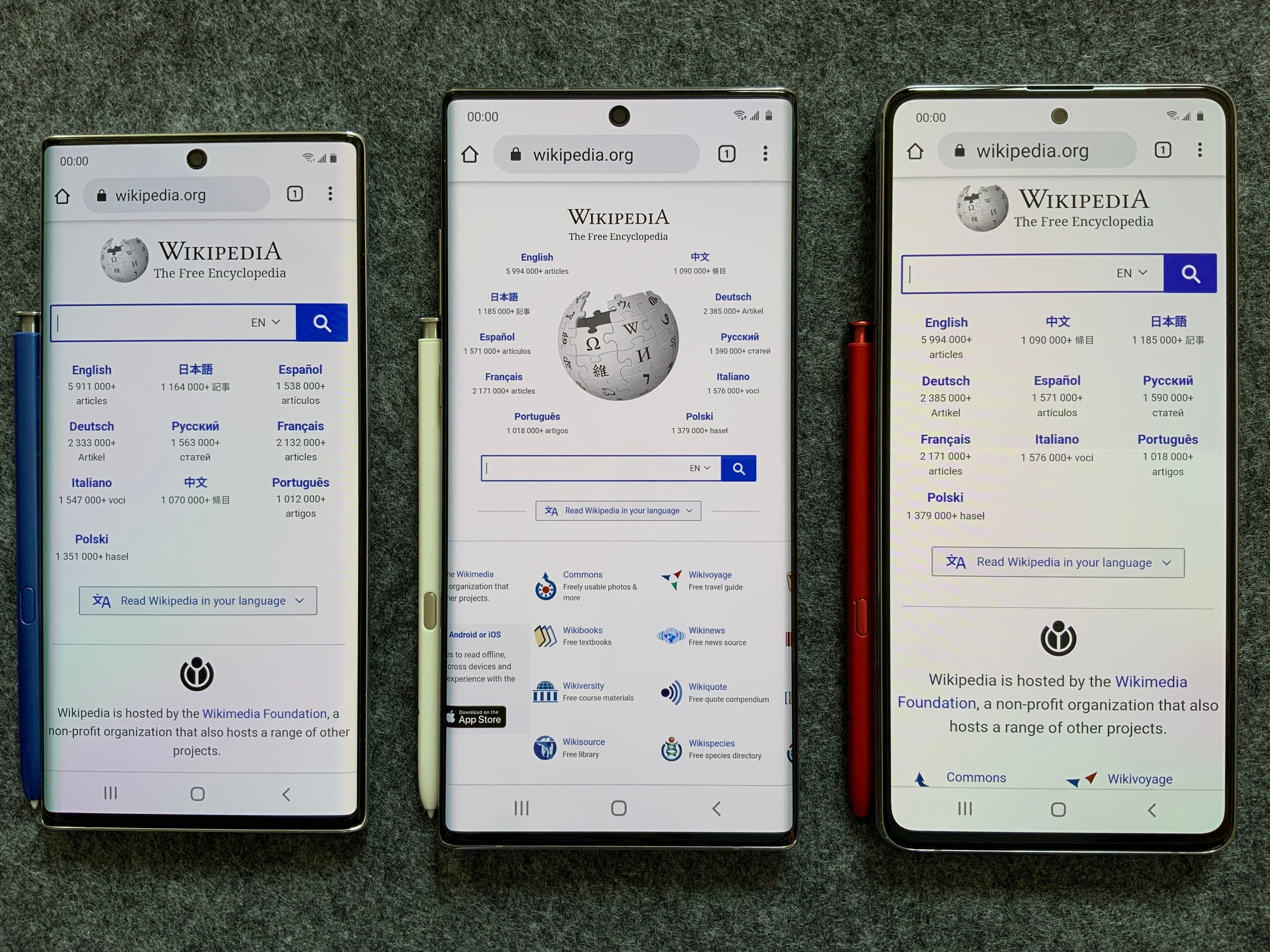
Browsers run on desktops, laptops, tablets, smartphones, smartwatches, smart televisions and consoles. That range reflects the fact that a browser is not tied to a particular kind of hardware — it is an application layer that sits between the network and the user, translating files into visible pages whatever the screen size or input method.
The story
A web browser is software that retrieves files from a web server and displays them on your screen. When you request a web page, the browser sends that request to a server, receives the files that make up the page, and then interprets those files — usually text with embedded formatting instructions — to produce the layout and images you see.
Tim Berners-Lee wrote a browser on 20 December 1990. He needed it to demonstrate the hypertext system he had invented, which allowed documents to link to one another across a network. Without a browser, that system would have existed only as a protocol and a set of files on a server — readable in theory, but not in practice by anyone except those who could parse the raw code.
The browser Berners-Lee wrote was both a viewer and an editor, meaning you could use it to read pages and to create them. That dual function did not persist in later browsers, which separated reading from writing, but it reflected the original vision of the web as a space where users would contribute as well as consume.
Browsers are now used on a wide range of devices: desktops, laptops, tablets, smartphones, smartwatches, smart televisions and consoles. The software adapts to different screen sizes and input methods, but the core function remains the same — fetching files and rendering them locally.
As of 2023, an estimated 5.4 billion people had used a browser. That number reflects the spread of internet access rather than the invention itself, but it gives a sense of how widely the tool is now deployed. The market is concentrated: as of 2026, Chrome holds around 69 per cent of global market share, Safari around 16 per cent, Edge around 5 per cent, Firefox around 2 per cent, Samsung Browser around 2 per cent, and Opera around 2 per cent. Those figures shift over time, and different regions show different patterns, but the concentration in a few dominant browsers is consistent.
Why it mattered then
Before the browser, Berners-Lee's hypertext system existed as a protocol — a set of rules for how documents could link to one another across a network — but there was no practical way for someone to view those documents unless they could read the underlying code. The browser made the system usable. It translated files stored on servers into pages a person could read and navigate, turning a technical specification into something you could actually interact with. Berners-Lee's browser was both a viewer and an editor, reflecting the idea that the web would be a space where people contributed as well as consumed. That dual function did not persist in later browsers, which separated reading from writing, but it shaped the early culture of the web as a medium where the boundary between author and audience was meant to be permeable.
Why it matters now
Browsers are now the primary interface to the web, and as of 2023 an estimated 5.4 billion people had used one. That makes the browser one of the most widely deployed pieces of software in existence. It sits between the user and the network, interpreting files and rendering them locally, and that role has remained constant even as the web itself has changed. The market is concentrated in a few dominant browsers, with Chrome holding around 69 per cent of global market share as of 2026, Safari around 16 per cent, and the remainder split between Edge, Firefox, Samsung Browser, Opera and others. That concentration means a small number of organisations control how most people experience the web — which standards are supported, which features are prioritised, and which sites render correctly. The browser is not neutral infrastructure; it is software with decisions embedded in it, and those decisions shape what the web can be.
The surprising detail
Berners-Lee's browser was also an editor. The software let you create web pages as well as view them, reflecting his vision of the web as a two-way medium rather than a broadcast one. That feature did not survive in later browsers, which separated reading from writing, and the web became a space where most people consume rather than contribute. The early design assumed a different kind of participation.
What is disputed
The reference material gives market share figures as of 2026, which is a future date relative to the lesson's present tense. Those figures are retained here as stated in the source, but their status as projections rather than historical data is worth noting.
Remember this
A browser retrieves files from a server and displays them locally. That two-step process — fetch, then render — is what makes the web usable.
Test yourself
Berners-Lee's browser could both view and edit web pages, but later browsers separated those functions. What does that change suggest about how the web evolved?
It suggests the web shifted from a participatory medium, where users were expected to contribute, to a consumption medium, where most people read rather than write. Berners-Lee's original design assumed you would use the same tool to view and create pages, treating authorship as a default activity rather than a specialist one. Later browsers dropped the editing function, and the web became a space where a smaller group of people produce content and a much larger group consumes it. That architectural choice — separating reading from writing — encoded a particular vision of what the web would be.
Go deeper
Image: Samsung Galaxy Note 10, CC BY-SA 4.0. Licence: CC BY-SA 4.0. Source.